





More Than Just Lost Land
For decades, the primary concern around coastal erosion has been the direct loss of property and infrastructure. The headline-grabbing images of houses teetering on cliff edges and roads washed away by storm surges have defined our understanding of the problem.
This has led to expensive, often temporary, solutions like building sea walls and replenishing beaches with dredged sand. While the economic cost of property loss is significant—amounting to hundreds of millions of dollars annually in some nations—this focus on the shoreline itself has obscured a cascade of deeper, more widespread environmental consequences that extend far beyond the water's edge. The erosion of a coastline is not just a line moving on a map; it's the start of a domino effect that impacts entire ecosystems.
The Unseen Collapse of Crucial Habitats
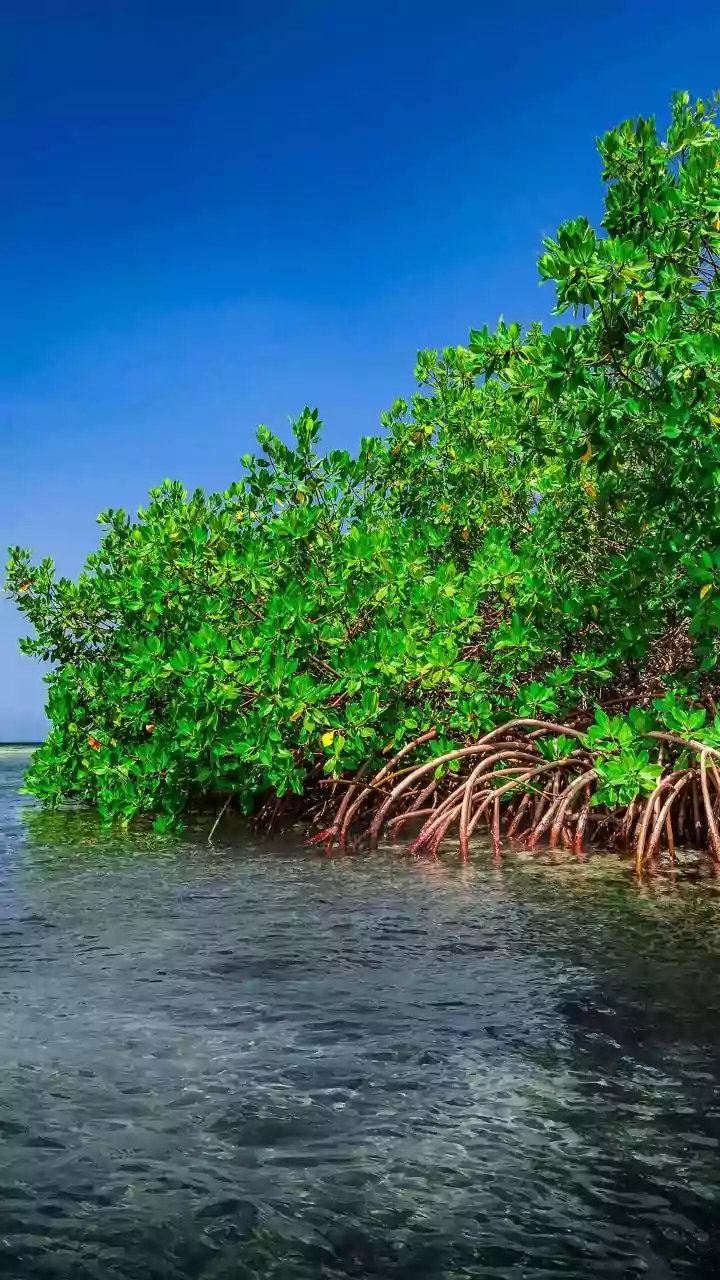
Beneath the waves and along the tidal flats lie some of the planet's most productive and important ecosystems: mangrove forests, salt marshes, and seagrass beds. These habitats are the silent victims of coastal erosion. Mangroves, with their tangled root systems, act as crucial nurseries for countless fish and crustacean species, underpinning the livelihoods of coastal fishing communities. They, along with tidal marshes, also serve as formidable natural barriers, absorbing the power of storm surges and reducing their impact on inland areas. As coastlines erode, these habitats are either washed away or 'squeezed' against man-made structures, leading to their rapid decline. Their disappearance is not just a loss of biodiversity; it's the removal of a critical buffer that protects both nature and people.
A Ripple Effect Miles Inland
One of the most profound and underestimated impacts of vanishing coastlines is saltwater intrusion. As sea levels rise and natural barriers like wetlands disappear, saltwater pushes further into freshwater sources, both above and below ground. This process contaminates coastal aquifers, which are vital sources of drinking water for many communities. The impact also travels inland, affecting agriculture in a significant way. Productive farmland can become too saline for traditional crops to grow, leading to reduced yields and economic hardship for farmers. In India, particularly in states like Gujarat and Uttar Pradesh, soil salinisation is already responsible for major losses in agricultural production, forcing some communities into a difficult choice between adapting or migrating.
The Hidden Climate Feedback Loop
Coastal ecosystems are not just victims of climate change; their destruction actively makes it worse. Mangroves, marshes, and seagrass beds are incredibly efficient carbon sinks, capturing and storing vast quantities of atmospheric carbon in their soil and biomass—often at a rate ten times greater than a mature tropical forest. This is known as 'blue carbon'. When these ecosystems are eroded, degraded, or destroyed, they stop sequestering carbon. Worse, the centuries-old carbon stored in their soils is released back into the atmosphere as carbon dioxide, creating a dangerous feedback loop that accelerates climate change. The destruction of these coastal habitats, which cover a relatively small area of the globe, is estimated to be responsible for a disproportionately large share of emissions from global deforestation.