


The New Nutrition Gospel
Scroll through social media, and you'll see a vibrant shift in nutritional advice. Where once you might have found calorie-counting and Western-centric diet plans, you'll now find Indian nutritionists and influencers celebrating traditional, homemade
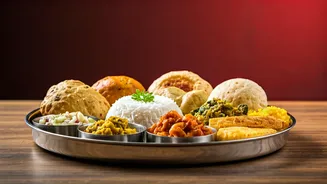
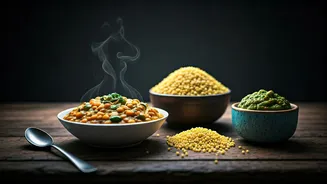
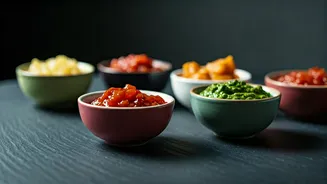
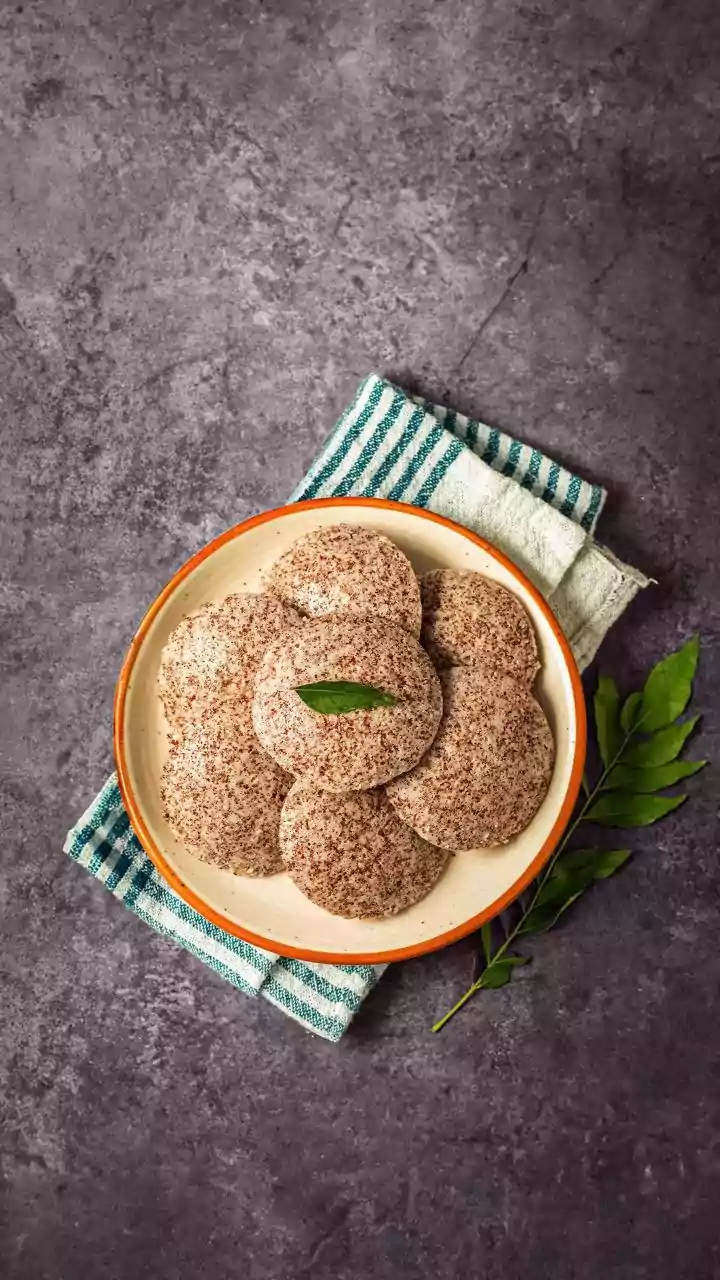
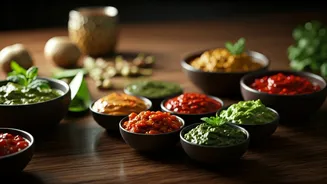
foods. The star of this movement is often the versatile chutney. This isn't just about flavour; it's a full-blown philosophy. The message, championed by prominent voices like nutritionist Rujuta Diwekar, is clear: go back to your roots. This 'chutney culture' represents a broader trend of embracing local, seasonal, and ancestral food wisdom over fleeting global fads. It positions the familiar pairings of idli with coconut chutney or samosa with mint chutney not as indulgences, but as balanced, sensible eating.
From Grandmother's Kitchen to Instagram Feeds
The champions of this movement are a new generation of Indian nutrition experts who blend traditional knowledge with modern communication. They argue that our grandmothers knew best, and science is now catching up. Influencers on platforms like Instagram are making these age-old principles accessible and aspirable for a younger audience. They argue against the demonisation of staple foods like rice and ghee, instead promoting a holistic approach that focuses on how food is prepared and combined. Chutneys are a perfect example of this philosophy in action. They are typically made with fresh, local ingredients and are praised for making meals more digestible and nutrient absorption more efficient. This social media-driven movement is empowering people to see their own food heritage as a source of health and vitality.
The Science Behind the Spice
This trend is more than just nostalgia; it's backed by nutritional science. Chutneys are often packed with ingredients that are powerhouses of health benefits. Herbs like mint and coriander are rich in vitamins and antioxidants and aid digestion. Spices like cumin and ginger stimulate digestive enzymes, while ingredients like garlic and turmeric have immune-boosting properties. Some traditionally prepared chutneys that involve fermentation can also be a source of probiotics, which are essential for good gut health. For instance, a simple coriander chutney can be a source of vitamins A and K, while tamarind chutney is rich in magnesium. This scientific validation gives modern credibility to what has been an intuitive practice in Indian households for centuries.
Reclaiming the Indian Plate
This embrace of chutney culture is part of a larger, more significant movement: the decolonization of wellness. For decades, the global health and nutrition narrative has been dominated by Western ideals, often implicitly suggesting that traditional food systems are inferior. The trend of 'golden lattes' (turmeric milk) or the sudden Western validation of ghee and ashwagandha are examples of Indian ingredients being co-opted without cultural context. The current movement, however, is driven from within India. It is a conscious effort to reject this external validation and reclaim ownership and pride in Indian food heritage. It’s a statement that healthy eating doesn't require importing expensive, exotic ingredients, but rather, understanding and appreciating the profound wisdom already present in our own kitchens.