


An Entire Region Washed Anew
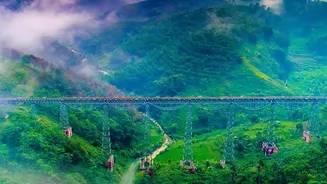
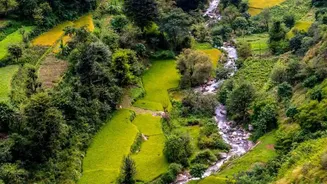
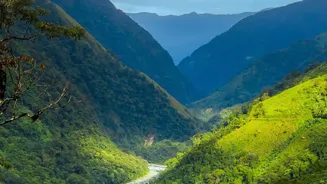
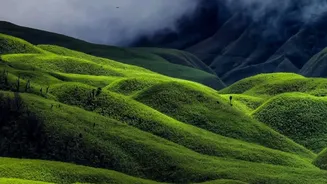
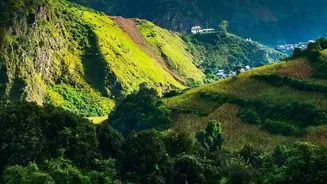
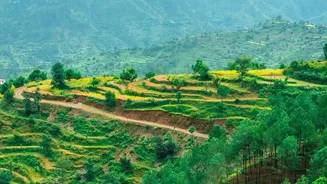
Forget what you think you know about rain-soaked holidays. In Northeast India, the monsoon is a season of transformation. From June to September, the landscapes of states like Meghalaya, Assam, and Sikkim shed their dusty summer coats and explode into
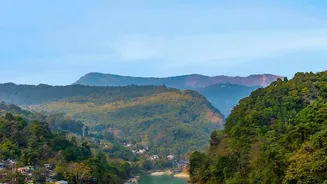
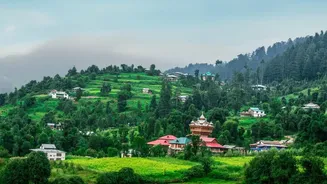
a brilliant, impossible green. Waterfalls that were mere trickles in May become thunderous cascades, and the region's famous rivers swell with life. The air is cool and misty, and a quiet charm descends as clouds drift through valleys and hug the hillsides. This isn't a time for rushing through a packed itinerary. Instead, the monsoon encourages a slower, more immersive pace, where the sound of the rain becomes the soundtrack to your trip and the vibrant scenery is the main attraction. It’s a time when you can truly appreciate the term 'Abode of the Clouds' in Meghalaya, as places like Cherrapunji and Mawsynram put on their most dramatic displays.
The Shift to Conscious Travel
This newfound appreciation for the monsoon coincides with a growing desire for more meaningful travel. Modern explorers are increasingly looking beyond conventional tourism to embrace sustainable and responsible practices. In the context of Northeast India, this means more than just carrying a reusable water bottle. It’s about making choices that directly benefit local communities and preserve the fragile ecosystems that make the region so special. Sustainable travel here is about engaging with the local culture, supporting small-scale economies, and leaving a minimal footprint. This approach is turning tourism into a force for good, providing villagers with supplementary income and creating incentives for environmental conservation. The focus is shifting from mass tourism to community-based models where travellers are welcomed not as customers, but as guests.
Staying with the Community
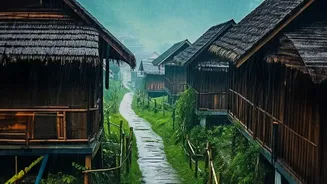
The heart of this sustainable movement lies in community-led tourism, most notably through homestays. States like Sikkim have actively promoted policies that support village tourism, allowing travellers to stay with local families. These homestays offer an authentic window into daily life, where you can share home-cooked meals, learn about local traditions, and form genuine connections. In Meghalaya, eco-friendly stays built from local materials like bamboo and stone are becoming popular. Properties in places like Mawlynnong, often called Asia's cleanest village, or near the Mawphlang Sacred Forest, are designed to blend with nature, sometimes using solar power and serving organic food. By choosing these accommodations, travellers ensure their money directly supports the local economy and encourages the preservation of both cultural and natural heritage.
Adventures in the Rain
A monsoon trip to the Northeast is far from boring. The season unlocks unique adventures that aren't available at other times of the year. In Meghalaya, it's the perfect time to witness the full, breathtaking power of Nohkalikai and Seven Sisters Falls. The famed living root bridges, shrouded in mist, feel even more mystical. While some core areas of national parks like Kaziranga and Manas close due to flooding, their fringe eco-tourism zones often remain open, offering lush green landscapes and a different kind of wildlife experience. Boat safaris on certain rivers become possible, providing new perspectives on the region's biodiversity. In Manipur, Loktak Lake, with its unique floating phumdis (masses of vegetation), expands and turns a vibrant emerald green. The key is to remain flexible and embrace the detours and slower pace that the weather might dictate.
How to Plan a Responsible Monsoon Trip
Travelling during the monsoon requires thoughtful preparation. The most crucial tip from experts is to consult a reliable local tour operator. They have real-time information on road conditions and can help craft a safe and flexible itinerary. It’s wise to build extra 'buffer' days into your schedule to account for potential delays from landslides or heavy rain. Pack light, but smart: waterproof clothing, non-slip shoes, and protective cases for electronics are essential. Prioritize visiting fewer places to allow for a deeper, unhurried experience. Instead of a rigid checklist, let your journey be guided by the rhythms of the season. Opt for homestays and community-run establishments, hire local guides, and always respect the natural environment, especially around swollen rivers and waterfalls.