

The Goodness in Rice Water
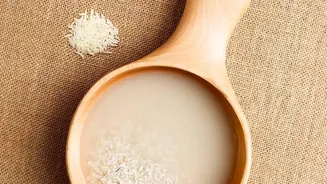
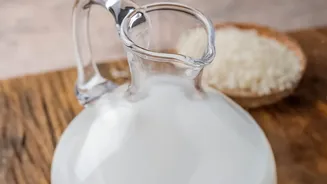
Before you pour that cloudy liquid down the drain, it's worth knowing what’s inside. The water left from rinsing rice is not just starchy waste; it contains a mild dose of nutrients that plants can use. This includes small amounts of nitrogen, phosphorus,
and potassium, the main trio of macronutrients essential for plant vitality. It also has trace minerals and B vitamins. The starch itself isn't a direct fertilizer but serves as food for beneficial microbes living in the soil. These microorganisms help break down organic matter, improving soil structure and making nutrients more available to plant roots.
The Problem with Thick Starch Water
While the nutrients are beneficial, applying thick, concentrated rice water directly to your pots can backfire. The biggest issue is the heavy starch content. When this thick liquid dries on the soil's surface, it can form an impenetrable crust. This layer can suffocate plant roots by blocking oxygen and preventing water from penetrating the soil. Furthermore, this starchy buildup is an open invitation for problems. It can attract starch-loving pests like fungus gnats and ants, and create a breeding ground for mould and harmful bacteria, leading to unpleasant smells and potential root rot.
Why Dilution Is the Secret Weapon
Diluting rice water is the key to delivering its benefits without the risks. By watering it down, you reduce the concentration of starch, preventing the formation of a hard crust on the soil. This ensures that water and air can still reach the plant's roots. A diluted solution allows for a more even distribution of the mild nutrients, giving your plants a gentle feed rather than a starchy shock. For an even bigger boost, you can ferment the rice water for a few days before diluting. The fermentation process increases the concentration of beneficial microbes and makes the nutrients more bioavailable for your plants to absorb.
The Perfect Recipe for Plant Success
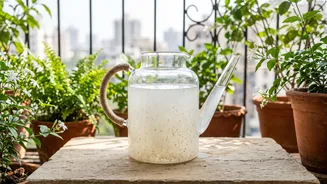
Making and using rice water correctly is simple. The next time you rinse uncooked rice, collect the first or second cloudy rinse water. It is crucial to use unsalted water, as salt can severely damage plant roots. If the water looks particularly milky or thick, dilution is a must. A good starting point is a ratio of one part rice water to five parts plain water. For fermented rice water, which is more potent, a dilution of 1:10 is often recommended to be safe. This ensures you're feeding the soil microbes without overwhelming them or creating a starchy mess.
How to Use It in Your Garden
Once diluted, apply the rice water directly to the soil at the base of your plants, avoiding the leaves to prevent potential fungal issues. Use it as you would a normal watering, ensuring the soil gets a good soak. Moderation is key; using it about once every two to four weeks during the growing season is plenty. Most houseplants, vegetables, and leafy greens respond well to this gentle nutrient boost. However, be cautious with succulents, cacti, or other plants that prefer dry conditions, as the added organic matter might retain too much moisture for their liking. If you notice any signs of trouble like yellowing leaves, soil mould, or an increase in pests, it's best to stop and flush the soil with plain water.