







The New Look of the Dairy Aisle
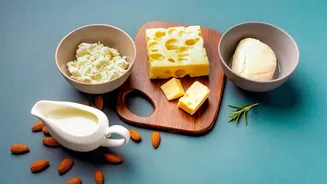
Walk through the refrigerated section of an urban Indian supermarket today, and you’ll see something new next to the familiar packets of milk, dahi, and paneer. Shelves are now stocked with Greek yogurt, high-protein milkshakes, fortified paneer, and a variety
of cheese and yogurt-based drinks. These aren’t just niche products for gym-goers anymore; they represent a significant market shift. Brands like Amul, Mother Dairy, and Nandini are expanding their portfolios with protein-fortified options, while newer players have built their entire identity around this trend. This 'proteinisation' of dairy is driven by a clear demand from consumers who want more from their food: more nutrition, more convenience, and more value from a food group that is already a staple in most Indian households.
Why Protein, Why Now?
Several factors are fueling this dairy evolution. First, there's a nationwide surge in health and wellness consciousness. A growing number of Indians, particularly in urban areas, are proactive about their health and understand the role of protein in everything from muscle repair to weight management and sustained energy. Reports indicate a significant portion of the Indian population doesn't meet their recommended daily protein intake, creating a clear need that these products aim to fill. This trend is amplified by rising disposable incomes and fast-paced urban lifestyles that demand convenient, on-the-go nutrition. A tub of Greek yogurt or a protein-fortified milk beverage is a quick, easy, and satisfying breakfast or snack for a busy professional, a significant upgrade from less nutritious options. The rise of quick-commerce platforms has also made these products more accessible than ever, encouraging trial and repeat purchases.
An Evolution of Tradition
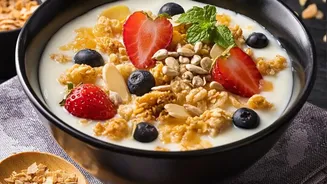
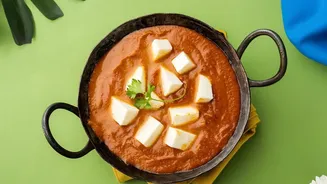
This trend isn’t about replacing traditional dairy but enhancing it. India is the world's largest producer and consumer of milk, and products like curd and paneer are dietary cornerstones. The new high-protein offerings are essentially modern interpretations of these classics. Greek yogurt, for instance, is thicker and higher in protein than traditional dahi because it is strained to remove more whey. High-protein paneer often involves manufacturing processes that concentrate the protein content. For consumers, this presents a familiar food in a more nutritionally potent format. Dairy companies are focusing on communicating these nutritional benefits, positioning fortified products as an easy way for families to boost their protein intake without drastically changing their eating habits.
The Business of Better Dairy
For the dairy industry, this shift from a volume-driven to a value-led model is a game-changer. For years, the sector operated on thin margins, especially from liquid milk sales. Value-added products like cheese, whey protein, and Greek yogurt offer significantly higher returns, with margins that can be two to three times greater. This economic incentive is spurring innovation and investment across the board. The Indian milk protein market is projected to see robust growth, with forecasts predicting its value to more than double between 2024 and 2035, driven by demand for dietary supplements and functional foods. Legacy cooperatives and private players alike are investing in advanced processing technologies and robust cold-chain systems to scale up production of these higher-margin goods.
What Lies Ahead?
While the momentum is strong, the high-protein dairy trend is still largely concentrated in urban centres. Cost and accessibility remain challenges for wider adoption. These products are premium and priced higher than their conventional counterparts, which may limit their reach in a price-sensitive market. However, as awareness grows and production scales, prices may become more competitive. The future of this trend depends on a continued focus on health by consumers and the ability of the industry to innovate and make these products more mainstream. Milk is projected to remain India’s largest source of protein for decades to come, and this value-added segment is poised to play an increasingly important role in the nation's nutritional landscape.