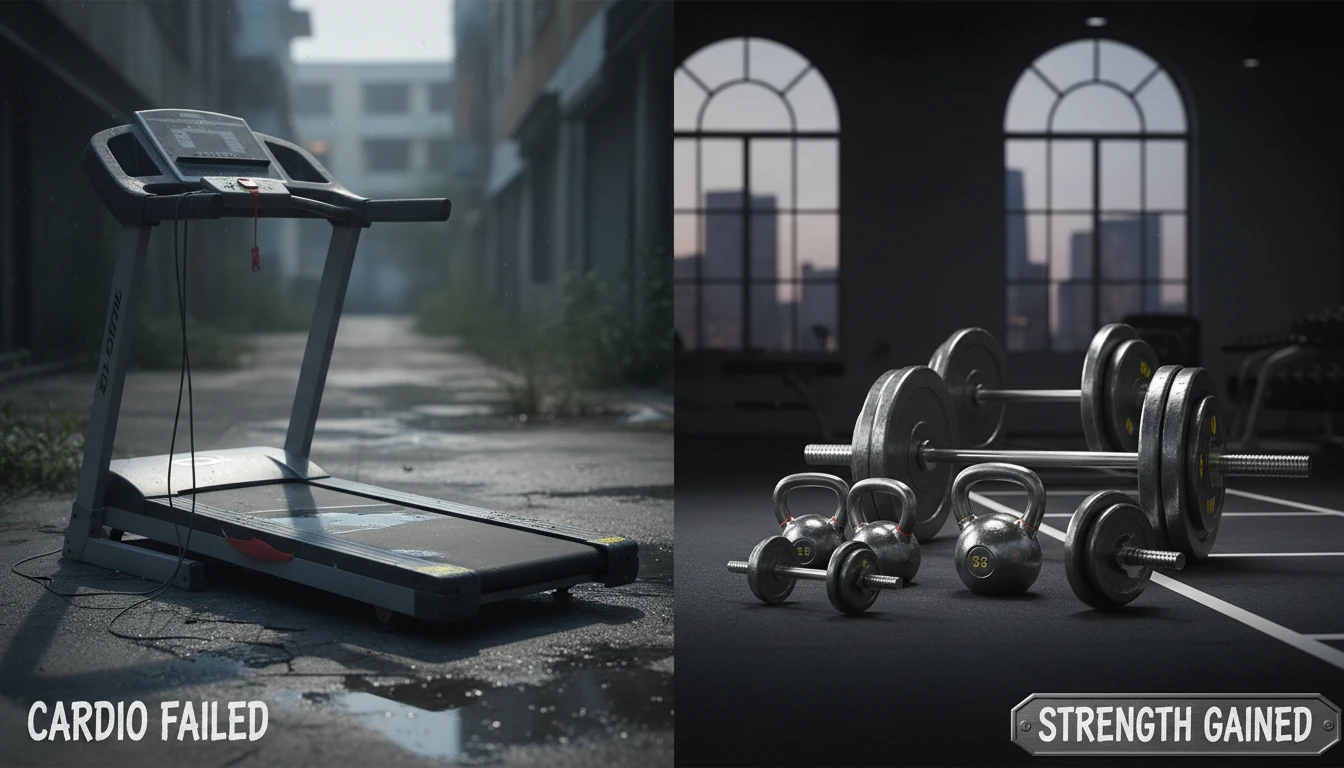









The Slow Death of the Cardio Kingdom
For decades, the path to fitness was paved with long, steady miles on a cardio machine. The reigning belief was that burning calories required endless aerobic exercise. But Gen Z and younger millennials are rewriting the rulebook. For them, fitness is less about
endurance and more about empowerment. According to data from the fitness app Strava, Gen Z is twice as likely as older generations to choose strength training as their main form of exercise. This move away from cardio-centric routines isn't just a fleeting trend; it’s a fundamental change in how an entire generation views health, aesthetics, and the purpose of a workout.
From 'Skinny' to 'Strong' Culture
One of the biggest drivers of this shift is a cultural redefinition of the ideal physique, largely fueled by social media. Platforms like TikTok and Instagram are filled with fitness influencers who celebrate muscle definition, functional power, and the athletic look. The narrative has moved from the pursuit of being “skinny” to the goal of being “strong.” This is especially true for young women, who are embracing weightlifting in record numbers. They are inspired by seeing peers deadlift, squat, and build visible muscle, rejecting outdated stereotypes that lifting weights is exclusively for men. This visual, community-driven content normalizes strength as a desirable and achievable goal for everyone.
More Bang for Your Workout Buck
Beyond aesthetics, the move towards strength training is rooted in efficiency and science. Younger generations, often balancing busy schedules, are drawn to the potent results of resistance training. Unlike steady-state cardio, strength workouts can boost your resting metabolic rate, meaning you burn more calories even after you’ve left the gym. Ten weeks of resistance training can significantly increase lean muscle mass and reduce body fat. The benefits don't stop there. Strength training is proven to increase bone density, which helps prevent osteoporosis later in life. It also improves your ability to perform everyday activities, enhances balance, and reduces the risk of injury by strengthening the muscles that support your joints.
A Workout for the Mind
The psychological benefits of lifting weights are proving to be just as important as the physical ones. Strength training provides a tangible sense of progress; lifting a weight that was once impossible offers a powerful confidence boost that extends beyond the gym. It’s a powerful tool for building mental resilience and discipline. Furthermore, research shows that resistance training is an effective way to manage stress, anxiety, and depression. It triggers the release of endorphins—the body's natural mood elevators—and helps regulate key neurotransmitters like serotonin and dopamine. For a generation increasingly focused on mental wellness, the gym has become a space not just to build their body, but to fortify their mind.
The Power of the Lifting Community
While running can be a solitary activity, strength training often fosters a strong sense of community. Whether it's in a CrossFit box, a powerlifting club, or a group class, lifters often motivate and support one another, sharing tips and celebrating personal records together. Strava reported that its user-organized clubs nearly quadrupled in a year, with group activities becoming a new form of social infrastructure. This shared experience turns a personal fitness goal into a collective one, making the process more engaging and sustainable. For many young people, the gym is becoming a primary social hub—a place to connect with others who share their values of discipline, progress, and self-improvement.