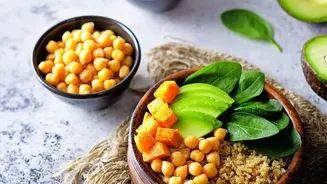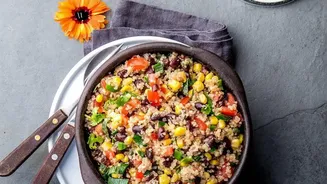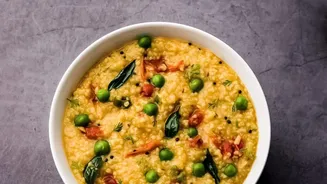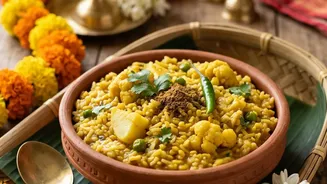


In the quest for a healthier diet, fibre is a non-negotiable hero. It aids digestion, helps manage blood sugar, and keeps you feeling full. Quinoa and lentils are two popular plant-based powerhouses, but which one truly leads the pack in fibre?
The Great Fibre Face-Off
When it
comes to dietary fibre, there is a clear winner in this nutritional showdown. A standard 100-gram serving of cooked lentils provides a remarkable 7.9 grams of fibre. In contrast, the same amount of cooked quinoa contains 2.8 grams of fibre. This means lentils offer nearly three times the fibre content, making them a superior choice if boosting your fibre intake is your primary goal. This high fibre content is a major contributor to feelings of fullness, which can aid in weight management. Both foods contain a mix of soluble and insoluble fibre, which work together to support gut health. Soluble fibre forms a gel-like substance that can help lower cholesterol, while insoluble fibre adds bulk and promotes regularity.
A Look at the Protein Punch
While fibre is the headline act, the protein comparison is just as compelling. Here again, lentils take a significant lead. A 100-gram serving of cooked lentils packs approximately 9 grams of protein. Cooked quinoa, in the same portion, provides about 4.4 grams of protein. Lentils offer more than double the protein, making them an excellent and cost-effective option for building and maintaining muscle, especially on a plant-based diet. However, quinoa has a unique advantage: it is a 'complete protein'. This means it contains all nine essential amino acids that the body cannot produce on its own. While lentils are rich in protein, they are typically low in certain amino acids. However, this is easily remedied by pairing them with a grain like rice, a classic combination that creates a complete protein profile.
Quinoa: The Versatile Grain-Like Seed
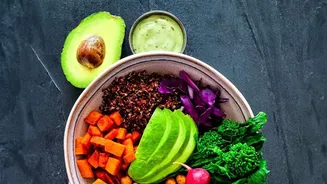
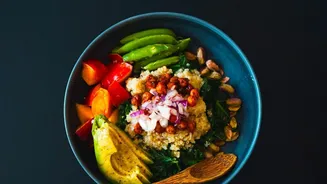
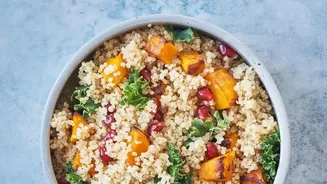
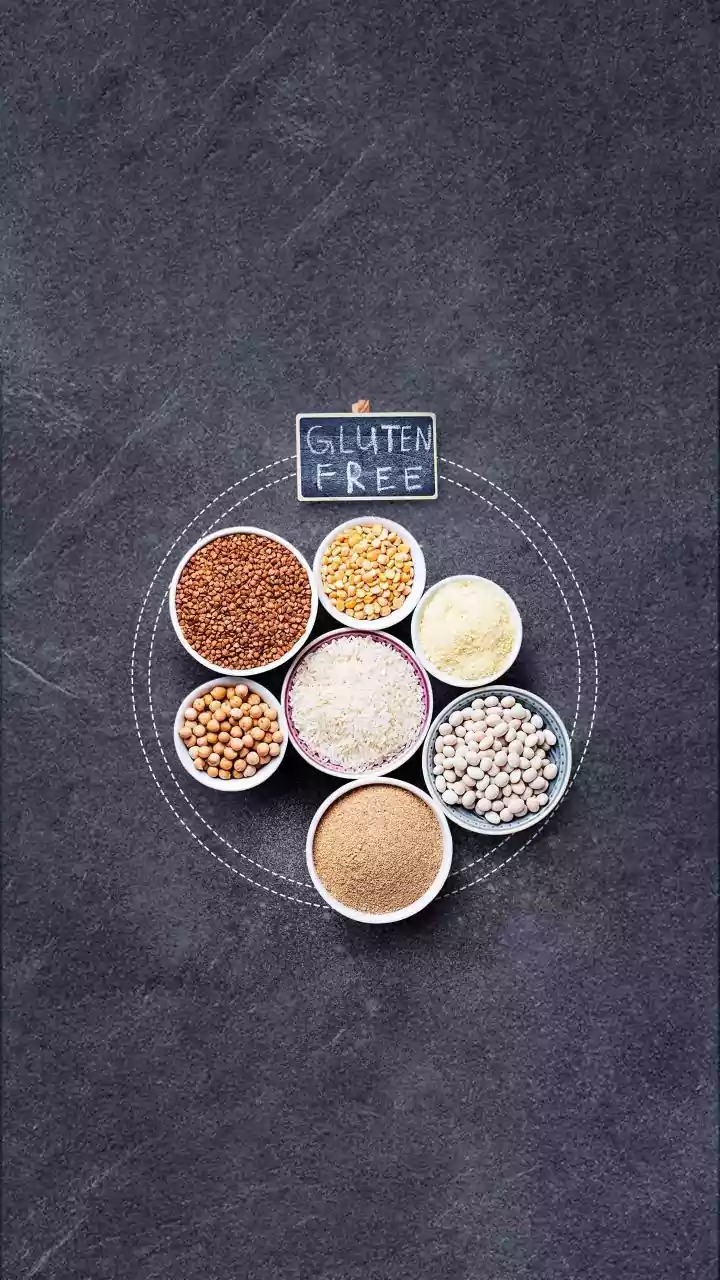
Beyond its status as a complete protein, quinoa brings a wealth of other benefits to the table. It's technically a seed, not a grain, and is naturally gluten-free. Its nutritional profile is impressive, offering a good source of minerals like magnesium, phosphorus, and manganese. Magnesium is vital for hundreds of bodily processes, including muscle and nerve function, while manganese is crucial for bone health and metabolism. Quinoa has a low glycemic index, which means it is less likely to cause rapid spikes in blood sugar, making it a favourable choice for blood sugar management. Its light, fluffy texture and mild, nutty flavour make it incredibly versatile. It can be used as a base for salads, a side dish instead of rice, a hearty addition to soups, or even as a breakfast porridge.
Lentils: The Humble Legume Powerhouse
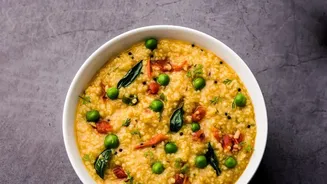
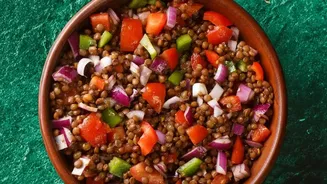
Lentils are a member of the legume family and are celebrated for their rich nutrient density. They are an outstanding source of folate, which is essential for cell growth and metabolism, and a very good source of iron, a mineral crucial for transporting oxygen in the blood. In fact, lentils contain significantly more iron and folate than quinoa. Their rich supply of polyphenols—powerful antioxidants—helps protect the body against damage from free radicals and may reduce the risk of chronic diseases like heart disease and diabetes. Lentils are also incredibly budget-friendly and quick to cook, especially red lentils, which soften in about 15–20 minutes, making them perfect for thick soups and curries like dal. Green and brown lentils tend to hold their shape better, making them ideal for salads and side dishes.
Which One Should You Choose?
The choice between quinoa and lentils ultimately depends on your specific dietary goals and culinary needs. If your main objective is to maximize your intake of fibre and plant‐based protein for the fewest calories, lentils are the undeniable champion. They offer a powerful nutritional punch for a very low cost. If you're looking for a gluten‐free, complete protein source with a versatile texture that works in a wide variety of dishes from breakfast to dinner, quinoa is an excellent choice. It also offers a better mineral profile for magnesium and manganese. For a truly balanced diet, there's no need to pick a single winner. Incorporating both of these nutrient‐dense foods into your weekly meal rotation is the best strategy. You can enjoy the high‐fibre, high‐protein benefits of lentils in your soups and curries, and the complete‐protein, mineral‐rich versatility of quinoa in your salads and grain bowls.