

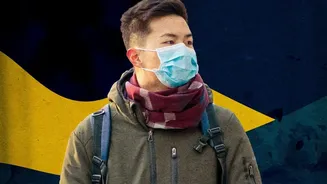
As cities across India grapple with high pollution, parents rightly worry about the impact on their children's health. Understanding the risks and knowing what simple, practical steps to take can make all the difference on very polluted days.
Why Children Are More Vulnerable
Children
are not just small adults; their bodies are uniquely susceptible to air pollution. They breathe more rapidly and inhale more air relative to their body weight, meaning they take in a higher concentration of pollutants. Their lungs are still developing, and exposure to harmful particles like PM2.5 can impair lung growth, leading to reduced lung function later in life. This vulnerability increases the risk of developing conditions like asthma and makes them more prone to respiratory infections. Because their immune systems are also still maturing, their bodies have a harder time fighting off the inflammation and damage caused by polluted air.
Understanding the Air Quality Index (AQI)
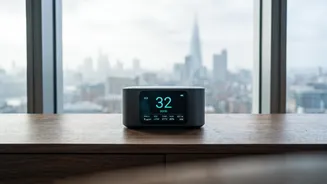
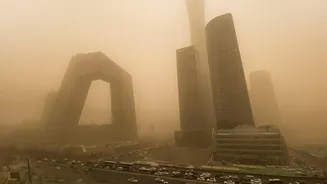
The Air Quality Index, or AQI, is your most important tool. It's a colour-coded scale that tells you how polluted the air is. For parents, the key is knowing when the numbers signal danger. Generally, an AQI below 100 is considered satisfactory for most people. However, children are considered a 'sensitive group'. When the AQI enters the 'Orange' (Unhealthy for Sensitive Groups, 101-150) or 'Red' (Unhealthy, 151-200) zones, it's time to take serious precautions. On 'Purple' (Very Unhealthy) or 'Maroon' (Hazardous) days, outdoor exertion should be avoided entirely for children. You can check your local AQI daily on various government websites and mobile apps.
Smart Strategies for Outdoor Time
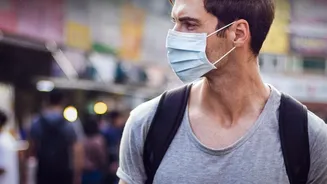
Completely avoiding the outdoors isn't always practical or desirable. Instead, the goal is to reduce exposure. On days with high pollution, check the AQI before making plans. If you must go out, try to schedule activities for times when pollution levels are typically lower, such as the early morning. Avoid strenuous exercise like running or sports, which increases breathing rate and pollutant intake; opt for a gentle walk instead. For children old enough, a well-fitted N95 or KN95 mask can significantly reduce the inhalation of harmful PM2.5 particles. Ensure the mask fits snugly over the nose, mouth, and chin with no gaps.
Creating a Safe Haven Indoors
On highly polluted days, your home should be a sanctuary of clean air. The first rule is to keep windows and doors closed to prevent outdoor pollutants from seeping in. Investing in a good air purifier with a HEPA (High-Efficiency Particulate Air) filter is one of the most effective ways to clean indoor air. Place purifiers in rooms where your child spends the most time, like their bedroom and the main living area. It’s also crucial to minimise indoor pollution sources. Avoid burning incense sticks or mosquito coils, which release significant particulate matter. Use an exhaust fan while cooking and clean regularly with a damp cloth or mop to prevent dust from becoming airborne.
Know the Warning Signs
Children may not always be able to articulate what they are feeling. Parents should watch for subtle signs of distress from air pollution exposure. These can include a persistent cough, throat irritation, itchy or watery eyes, and a runny nose. More serious symptoms are shortness of breath, wheezing, or unusual fatigue after playing. Headaches and dizziness can also be indicators. If your child has asthma, be extra vigilant, as poor air quality is a major trigger for attacks. If symptoms are severe, such as difficulty breathing or bluish skin around the lips, seek medical help immediately.