




Beyond the Traditional Form
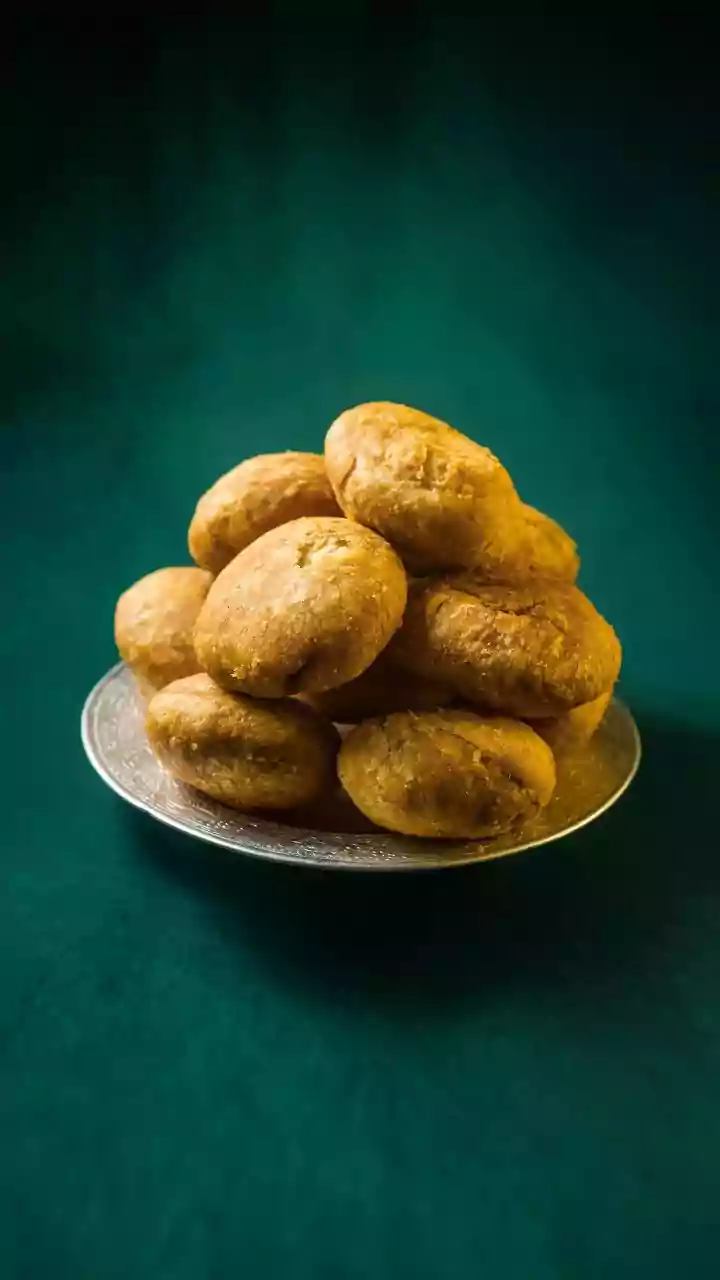
For generations, Indian sweets have been defined by their classic shapes — the roundness of a gulab jamun, the diamond cut of kaju katli. Today, chefs and sweet makers are breaking the mould, quite literally. We're now seeing mithai presented in forms
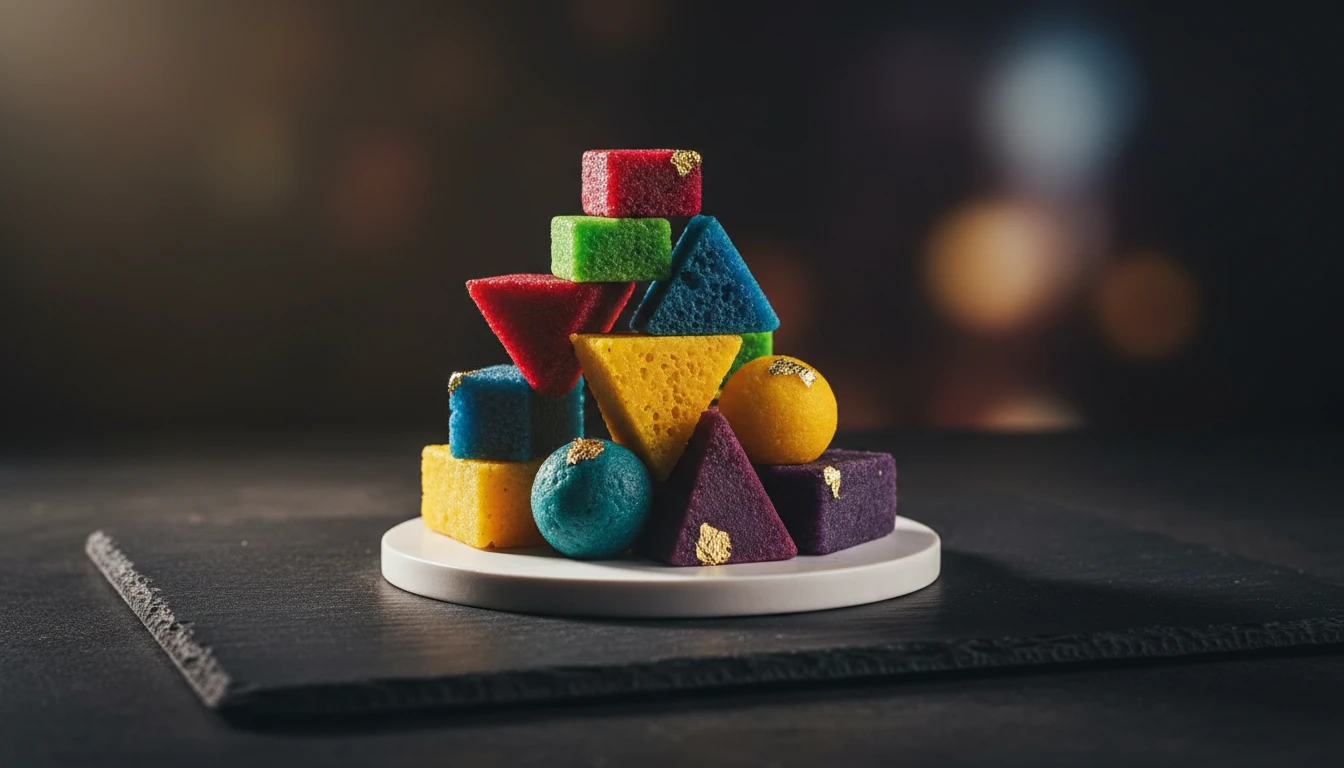
that borrow from global pastry traditions. Think of bite-sized mithai designed to look like fine chocolate truffles, multi-layered parfaits served in elegant glasses, or even popsicles made from kulfi. This shift isn't just for novelty; it’s about creating visually stunning desserts that offer a new experience. Brands are crafting petite, jewel-like sweets perfect for mindful indulgence, allowing people to sample multiple flavours without feeling overwhelmed.
A Feast for the Eyes
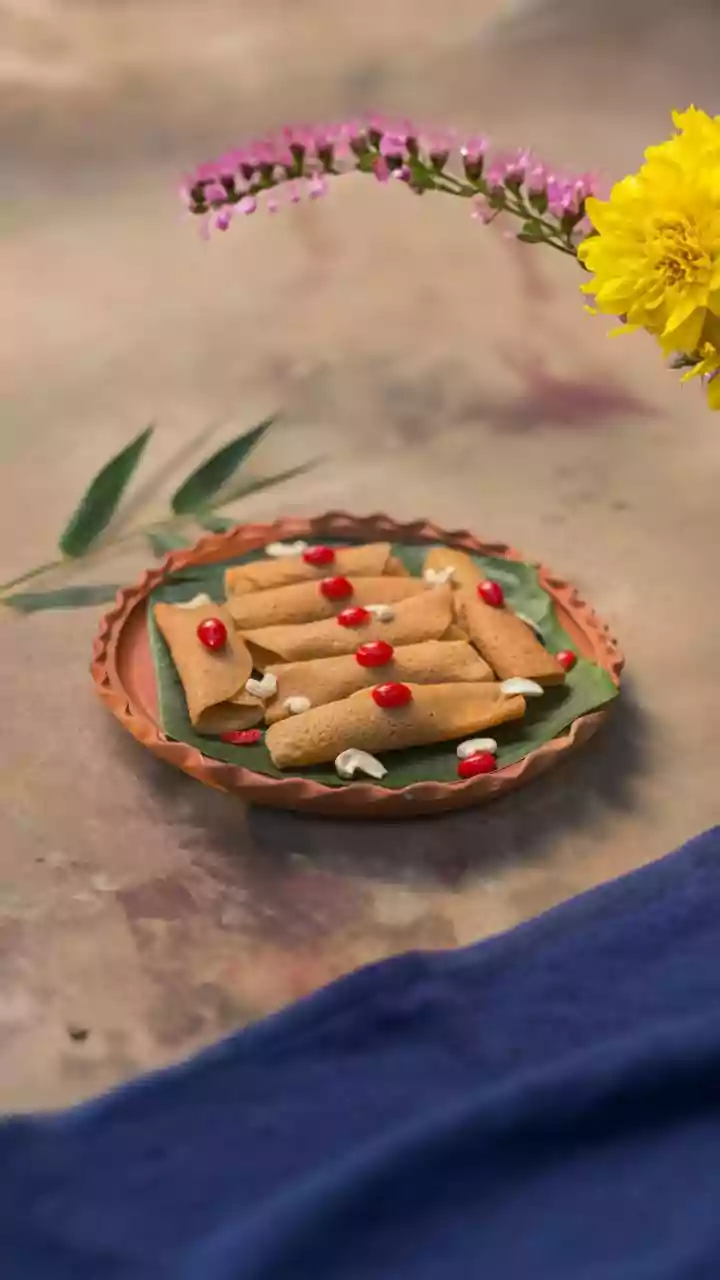
In the age of social media, food must be as photogenic as it is flavourful. The trend towards experimental shapes and serving styles is partly driven by the desire to create “Instagrammable” moments. Modern confectioners are plating their creations with an artist’s eye, using clear jars to showcase vibrant layers in a motichoor trifle or arranging bite-sized macarons on elegant platters. The presentation is now as integral to the experience as the taste itself, with edible gold leaf, delicate floral garnishes, and hand-painted edible art transforming humble sweets into luxurious gifts. This focus on aesthetics helps traditional Indian desserts compete with the visual appeal of international pâtisserie.
Fusion Flavours and Deconstructed Classics
The innovation extends beyond just shape. Chefs are fearlessly blending Indian flavours with Western dessert concepts, resulting in delightful hybrids like gulab jamun cheesecake, rasmalai tiramisu, and motichoor rabri parfaits. These creations balance the nostalgia of traditional tastes with the textures and forms of global favourites. Some chefs are taking it a step further by 'deconstructing' classic sweets. This involves breaking down a dessert like gulab jamun into its components—the sweet, spongy ball and the fragrant syrup—and reassembling them in a new, often surprising, way, perhaps with a crunch element like a nut praline for textural contrast. The goal is to honour the original flavour while offering an entirely new sensory experience.
The Minds Behind the Mithai Makeover
This movement is being led by a new generation of pastry chefs and innovative brands who see tradition not as a rigid set of rules but as a foundation for creativity. Chefs like Chetanya Rai are infusing their creations with personal history and global techniques, bringing Indian flavours to the world of fine dining. Meanwhile, popular brands are reimagining their offerings to appeal to modern palates. Some focus on creating healthier versions with alternative sweeteners like jaggery and dates, or using ingredients like quinoa and almond flour. Others are crafting playful fusions, such as barfi ice cream cubes or chocolate-covered samosas, bridging the gap between generations and tastes.