





The Rise of Digital Dining
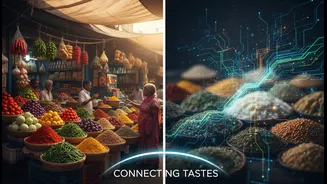
The rapid expansion of internet access and smartphone ownership has fundamentally altered India's food landscape. What was once a luxury is now a utility, bringing e-commerce, social media, and food delivery platforms to hundreds of millions of people.
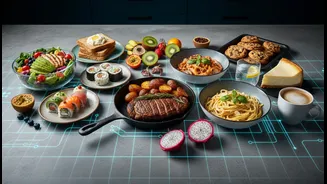
Food delivery apps have seen explosive growth, transforming urban eating habits by offering unprecedented convenience. Studies show this has led to a significant increase in ordering out and a reduction in home-cooking frequency for many urban users. Simultaneously, the online grocery market is booming, projected to grow exponentially as companies expand into Tier-2 and Tier-3 cities, and even rural areas through partnerships with local kirana stores.
The Convenience vs. Quality Dilemma
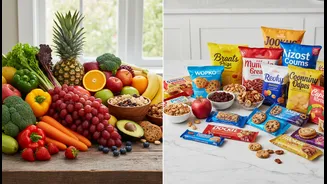
This newfound convenience is a double-edged sword. On one hand, it democratises access to a wider variety of foods. On the other, it heavily promotes convenience-driven consumption, which often means ultra-processed and fast foods. Research indicates that frequent use of food delivery apps is linked to higher caloric intake, reduced dietary diversity, and an increased reliance on meals high in fat, salt, and sugar. Health experts have pointed to the easy availability of these foods as a contributing factor to rising lifestyle diseases like obesity and diabetes. Many users report that while they try to find healthier options on these apps, they often struggle, with choices heavily influenced by price and visual appeal rather than nutritional value.
The Power of Information
Conversely, the internet is also a powerful tool for health empowerment. For the first time, millions of Indians have instant access to a vast repository of nutritional information, healthy recipes, and wellness communities. Studies show that internet use can significantly improve dietary knowledge, which in turn can lead to better dietary quality. People are using online resources to learn about balanced diets, understand food labels, and manage health conditions. This has created a growing demand for healthier and locally sourced options, prompting e-grocery platforms to expand their offerings of organic produce, millets, and other regional staples. Some food delivery platforms are also responding by introducing features to help users make more informed choices.
The Influence of the Algorithm
While users can seek out healthy information, they are also subject to the powerful influence of social media and targeted advertising. Platforms like Instagram and YouTube are filled with marketing for high-calorie, low-nutrient foods, often promoted by influencers. This constant exposure is shown to shape eating behaviours, especially among younger audiences, increasing cravings for junk food and reinforcing unhealthy consumption patterns. The visual nature of social media, with its emphasis on aesthetically pleasing “food porn,” can create idealized representations of food that prioritize indulgence over nutrition. This digital environment makes it harder for consumers to make conscious, healthy choices, even when they have the knowledge to do so.
The Next Frontier: Rural India
As internet connectivity deepens in rural and semi-urban India, the same transformative forces are beginning to take hold. E-commerce giants are rapidly expanding their delivery networks, bringing online shopping to villages that were previously unserved. This presents both a significant opportunity and a risk. Access to a wider variety of foods through e-grocery could supplement traditional diets and improve nutritional diversity. However, it could also introduce the same challenges seen in urban centres: a shift away from traditional, home-cooked meals towards more convenient, processed options. Ensuring that this digital transition supports, rather than displaces, healthy local food systems will require a focus on digital and nutrition literacy.