


When the Desert Comes Alive
The Pushkar Mela, or Pushkar Camel Fair, is an event tied to the rhythms of the Hindu lunar calendar, culminating on the full moon day of Kartik Purnima. In 2026, this sacred day falls on Wednesday, November 4. Visitors can expect the main festivities,
camel trading, and cultural events to commence approximately a week prior, likely beginning in the last week of October. This period sees the sleepy town of Pushkar transform into a world-class spectacle of colour, commerce, and culture, drawing travellers, traders, and pilgrims from across the globe. While the camel trading is a sight to behold during the day, the evenings are reserved for a different kind of magic, when the air fills with the sounds and sights of ancient Rajasthani traditions.
The Soulful Sounds of Rajasthan
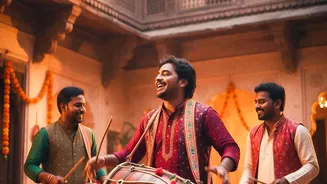
The auditory landscape of the Pushkar Mela is dominated by the haunting melodies of Rajasthan's hereditary folk musicians. Keep an ear out for the Manganiyar and Langa communities, whose musical traditions have been passed down through generations. These artists are masters of instruments that are as unique as their sound. You will hear the soulful, stringed notes of the 'ravanahatha', a bowed fiddle often considered one of the oldest string instruments in the world, and the resonant 'kamaicha'. Their songs are epic ballads of legendary heroes, tales of royal love affairs, and devotional hymns that seem to float across the desert landscape, especially during mesmerising sunset performances.
A Spectacle of Dance and Drama
Where there is music, there must be dance. The Pushkar Mela is a living stage for some of India's most evocative folk dance forms. The star of the show is often the Kalbelia dance, performed by the nomadic tribe of the same name. Recognised as a UNESCO Intangible Cultural Heritage, this 'snake charmer' dance features women in flowing black skirts adorned with intricate embroidery, spinning and contorting with incredible grace and flexibility. Another common sight is the Ghoomar, a devotional dance where groups of women in voluminous skirts, or 'ghagharas', twirl in unison, creating a breathtaking visual kaleidoscope. The Terah Taali is yet another fascinating performance where dancers, often seated, play small cymbals tied to their limbs, showcasing incredible rhythm and dexterity.
Beyond Music: Contests and Competitions
The cultural performances at Pushkar extend far beyond formal music and dance. The fair is renowned for its quirky and thoroughly entertaining competitions that celebrate local traditions with a playful spirit. The 'longest moustache competition' is a fan favourite, where men from across the region proudly display their impressively groomed facial hair, some stretching several feet long. There is also the vibrant turban-tying competition, where participants race against the clock to create the most elaborate headwear. These events, along with bridal competitions, tug-of-war matches between locals and tourists, and traditional wrestling bouts, offer a glimpse into the everyday culture and jovial spirit of the Rajasthani people, making for unforgettable photo opportunities and memories.
Navigating the Cultural Extravaganza
To best experience the cultural side of the Mela, plan to spend your evenings at the fairgrounds. While impromptu performances can spring up anywhere, a central stage area is typically set up to host the main music and dance events. These scheduled performances usually begin after sunset and continue late into the night. Don't be afraid to wander away from the main stage; some of the most authentic and moving performances happen in smaller, more intimate gatherings around campfires. You will also find puppeteers telling ancient stories through 'kathputli' (marionettes), along with magicians and daring acrobats showcasing their skills amidst the bustling crowds, ensuring that there is always something to captivate your attention.