






The Search for Something Real
For years, the blueprint for a perfect holiday involved ticking off a list of famous sights in places like Shimla, Manali, or Goa. But today's young travellers, particularly Gen Z and millennials, are looking for something more. They are increasingly
tired of bumper-to-bumper traffic on mountain roads and beaches so packed there's hardly room to stand. This has sparked a collective move towards destinations that offer peace over pandemonium. The new travel currency isn't just a pretty picture, but an authentic experience. This generation is prioritising genuine, immersive encounters over crowded tourist traps, seeking a deeper connection with local culture.
What’s Driving This Shift?
Several factors are fuelling this trend. Firstly, there's a strong desire for authenticity. Young travellers are choosing homestays over hotels and local eateries over fine-dining chains to get a real feel for a place. Secondly, social media plays a role, but not in the way you might think. Instead of chasing the same viral photo spots, many are looking for unique, visually striking locations that haven't been overexposed online. Affordability is another key driver. Offbeat locations often offer cheaper accommodation, food, and activities, which is a major draw for a budget-conscious generation that values experiences over luxury. Finally, a growing consciousness around sustainability makes destinations with a smaller tourist footprint more appealing.
Destinations Gaining the Spotlight
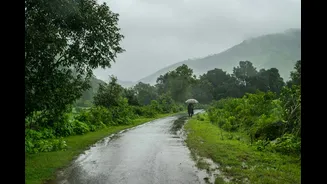
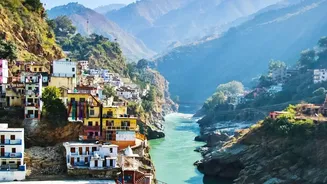
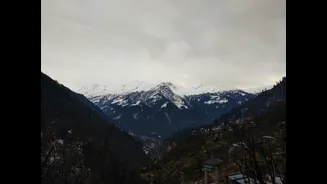
So, where are these travellers headed? Instead of Shimla, they might choose Jibhi or Tirthan Valley in Himachal Pradesh for their serene landscapes and quaint villages. The crowded beaches of Goa are being swapped for the quieter shores of Gokarna in Karnataka or even the tranquil island of Dharmadam in Kerala. In the east, Ziro Valley in Arunachal Pradesh, known for its lush scenery and vibrant tribal culture, is a rising star, especially among those interested in music and nature. In Rajasthan, instead of the main tourist circuit, travellers are exploring towns like Bundi to experience heritage without the hustle. These places offer what the big cities can't: a slower pace and a sense of discovery.
The Rise of Slow Travel and Workations
This trend is closely linked to the concept of 'slow travel', which encourages travellers to stay in one place for longer to truly understand its culture and rhythm. Rather than a frantic, checklist-driven tour, the goal is to immerse oneself in the local community. The widespread adoption of remote work has been a major catalyst, allowing professionals to blend work and leisure in what's now known as a 'workation'. Young professionals can now spend weeks or even months working from a quiet homestay in the mountains, offering them a better work-life balance and providing a stable income for local communities in these less-frequented areas. This has led to an increase in long-stay packages at homestays and hostels, complete with Wi-Fi and workspaces.