

What Exactly Is Bioastronautics?
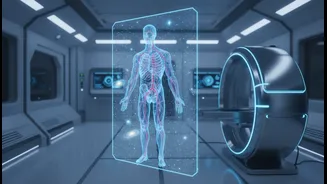
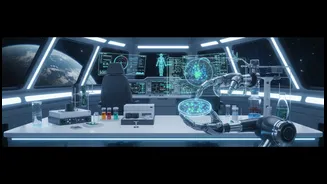
At its heart, bioastronautics is the science of keeping life alive in space. It's an interdisciplinary field that merges biology, medicine, and aerospace engineering. While engineers build the rockets and habitats, bioastronautics specialists focus on the human
factor. They study how the extreme environment of space—from radiation to microgravity—affects living organisms, especially the human body. Their job is not just to understand these effects but to design the countermeasures, life support systems, and medical protocols that make human survival possible on missions that are growing longer and more ambitious.
The Human Body in an Alien Environment
The human body is exquisitely adapted to life on Earth, and taking it away from that environment poses immense challenges. Without gravity, astronauts' bones lose density and their muscles atrophy. Fluids in the body shift upwards, leading to increased pressure in the head and potential vision problems. Beyond Earth's protective magnetic field, exposure to cosmic radiation dramatically increases the risk of cancer and other long-term health issues. Then there are the psychological hurdles: the stress, isolation, and confinement of a long-duration mission can take a significant toll on mental health. Each of these issues is a complex problem that requires a dedicated scientific solution.
A New Space Race Fuels Demand
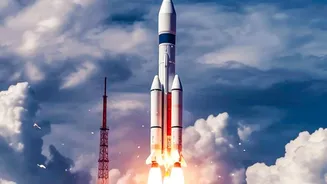
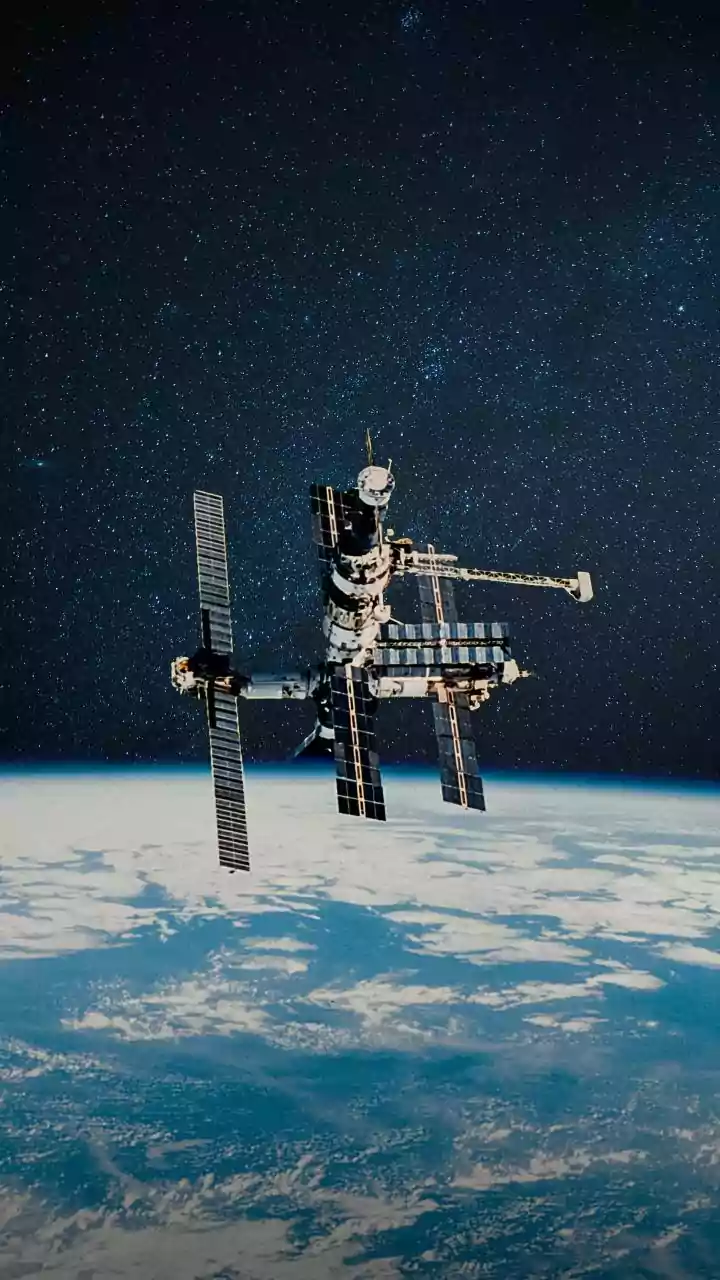
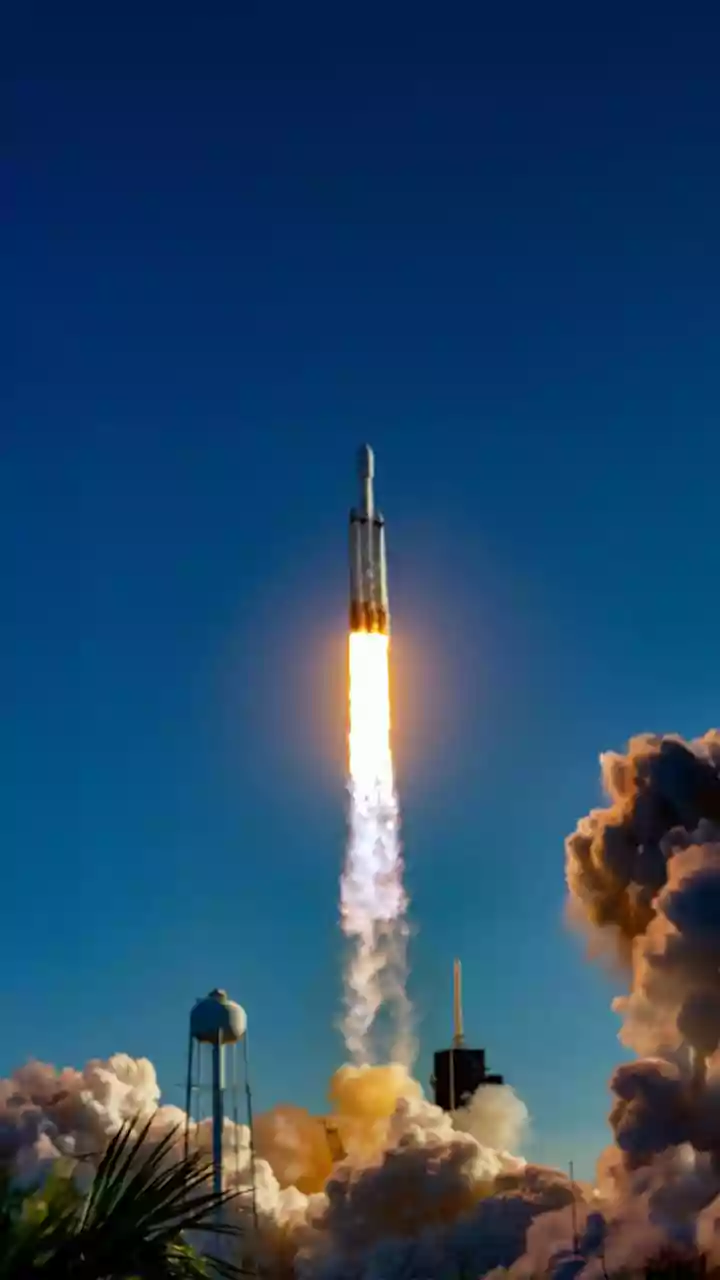
The renewed global push for crewed missions is the primary driver behind the growing need for these specialists. NASA's Artemis program aims to establish a long-term human presence on the Moon, which demands solutions for protecting astronauts during extended stays. In India, the Gaganyaan programme, which will mark the nation's first human spaceflight mission, has created a critical need for domestic expertise in space medicine and life support. In fact, ISRO has formally partnered with medical institutes like Sree Chitra Tirunal Institute for Medical Sciences & Technology (SCTIMST) to develop this capability, even launching India's first postdoctoral fellowship in bioastronautics. Furthermore, the rise of commercial spaceflight from companies like SpaceX and Blue Origin introduces new variables, including flying passengers who are not professional astronauts, creating an even greater need for robust health and safety systems.
The Astronaut's Invisible Guardian
The work of a bioastronautics specialist spans the entire lifecycle of a mission. Long before launch, they are involved in research, developing exercise equipment and routines to counter muscle loss, formulating nutritional plans, and designing radiation shielding. They help select and train astronauts, preparing them physically and psychologically for the rigours of space. During a mission, they are on the ground in mission control, acting as the crew's medical lifeline. They monitor vital signs, analyse health data, and provide guidance on everything from sleep schedules to performing medical procedures in zero gravity. After the crew returns to Earth, these specialists manage their rehabilitation as their bodies re-adapt to gravity. Their role is to be the invisible guardian, ensuring the crew returns safely.