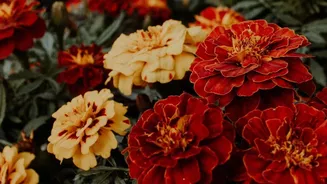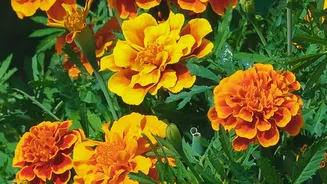








The Magic of Cooler Temperatures
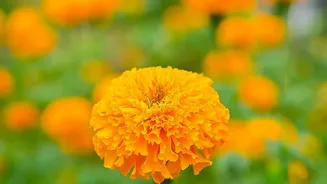
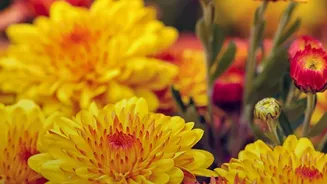
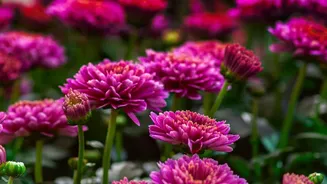
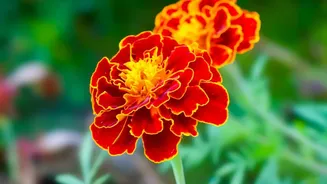
After the intense heat of summer and the heavy humidity of the monsoons, Indian autumn ushers in a period of climatic relief. For both marigolds (Genda) and chrysanthemums (Guldaudi), this change is crucial. These flowers thrive in moderate temperatures.
The ideal daytime temperature for robust growth and flowering for chrysanthemums is between 20-28°C, with cooler nights around 15-20°C. Similarly, marigolds perform best when temperatures are warm but not scorching, generally between 20°C and 30°C. The Indian autumn, particularly in October, provides this 'Goldilocks' temperature range across many parts of the country. This cool, pleasant weather allows the plants to channel their energy into producing bigger, brighter, and longer-lasting flowers instead of just surviving extreme heat.
It’s All About the Light
Perhaps the most critical factor for these autumn blooms is a scientific principle called photoperiodism—the plant's response to the length of day and night. Marigolds and chrysanthemums are known as 'short-day' plants. This doesn't mean they dislike sun; in fact, they need at least six hours of direct sunlight to produce abundant flowers. It means they are genetically programmed to start flowering only when the nights become longer than a certain critical length. As India transitions from summer to winter, the days naturally shorten and the nights lengthen through September and October. This specific environmental cue acts like a switch, telling the plants to stop vegetative growth (producing leaves and stems) and start the process of budding and blooming. This is why you see them burst into flower so spectacularly during this time.
Post-Monsoon Soil and Air
The monsoon season, while essential for replenishing groundwater, can be tough on flowering plants due to high humidity and waterlogged soil, which encourage fungal diseases like root rot and powdery mildew. The arrival of autumn brings drier air and allows the soil to drain, creating a much healthier environment. The ground retains just enough moisture from the preceding rains to support the plants, but the reduced humidity in the air minimizes the risk of disease. This balance of well-drained soil and lower atmospheric moisture is perfect for marigolds and chrysanthemums, which are susceptible to problems in overly damp conditions. This post-monsoon freshness allows the plants to grow vigorously and produce clean, healthy blooms.
A Perfect Festival Timeline
It’s a beautiful coincidence of nature and culture that this peak blooming season aligns perfectly with some of India's most important festivals. Dussehra, Navratri, and Diwali all fall within this autumn window. Marigolds, in particular, are deeply woven into the fabric of these celebrations. Their vibrant orange and yellow colours are considered auspicious, symbolising the sun, positivity, and divine blessings. They are used extensively for making garlands, decorating homes and temples, and in religious offerings (pujas). The abundant, timely, and affordable supply of these flowers during the festive season is a direct result of their natural blooming cycle. This alignment makes them not just a horticultural wonder but a cultural and economic cornerstone of the season.