




First, Understand the Purity
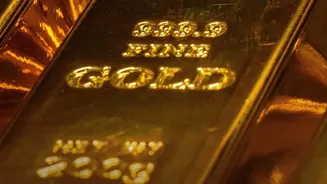
Before you even consider a design, know what you're buying. In India, gold purity is measured in karats (K). 24K gold is the purest form (99.9%) but is too soft for most jewellery, making it ideal for coins and bars. For ornaments, 22K gold (91.6% pure)
is the traditional choice, offering a balance of purity and durability. 18K gold (75% pure) is harder and often used for diamond and gemstone settings. Since June 2021, the Bureau of Indian Standards (BIS) has made it mandatory for jewellers to hallmark all gold items, which certifies their purity. Always look for the three signs of a genuine BIS hallmark: the BIS logo, the purity grade (e.g., 22K916), and the six-digit alphanumeric Hallmark Unique Identification (HUID) number.
The Real Cost: Making Charges
The price of gold you see in the news is not what you'll pay for a finished piece of jewellery. The most significant additional cost is 'making charges' or 'labour charges', which cover the cost of craftsmanship. These charges can range from as low as 8% for machine-made items to over 25% for intricate, handcrafted designs. This is a crucial area for savings because these charges are not recovered when you sell the jewellery. Many jewellers are open to negotiation on these fees, especially during off-peak seasons or for large purchases. Always ask for an itemised bill that lists the gold value, making charges, and GST separately to understand the exact cost breakdown. Comparing making charges between two or three jewellers for a similar item can lead to significant savings.
Jewellery for Use vs. Gold for Investment
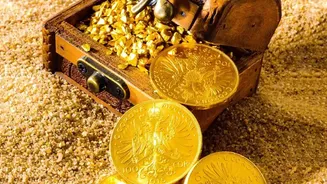
Your reason for buying should dictate the form of gold you choose. If the primary goal is investment, gold coins or bars are far more efficient. They are typically 24K pure and have minimal making charges, often between 1-4%, ensuring their value stays very close to the market price of gold. Jewellery, with its high making charges, functions more as a wearable asset where you pay a premium for the design. While it holds cultural and emotional value, its resale value from a purely financial perspective is lower because you lose the making charges and any cost associated with stones. For those looking to simply accumulate gold as a long-term asset, coins, bars, or even digital options like Sovereign Gold Bonds (SGBs) are better financial choices.
Choosing Your Jeweller and Timing
Selecting a trustworthy jeweller is as important as checking the gold's purity. Opt for established retailers with a strong reputation and transparent policies on pricing and buy-backs. While local jewellers can be competitive, branded players often provide certified quality and reliable customer service. While a price drop is a good trigger, don't rush. Gold prices are volatile, influenced by global markets, currency rates, and local demand. The months outside of major festive and wedding seasons, such as April to July, are often considered an off-season when demand is lower, potentially giving buyers more negotiating power. However, festive seasons like Diwali and Akshaya Tritiya often bring special discounts and offers on making charges, so it pays to compare.