





The Slow-Charge Problem
For all their benefits, electric vehicles (EVs) have one major drawback compared to their petrol counterparts: refuelling time. While filling a tank takes minutes, recharging an EV battery can take hours. This “charging anxiety” is a significant barrier
for potential buyers in India, where long commutes and unpredictable power supply make every minute count. The issue lies within the chemistry of current lithium-ion batteries. Forcing electricity into a battery too quickly generates excessive heat and can cause permanent damage, reducing its lifespan and capacity. During a fast charge, lithium ions can build up on the surface of the anode instead of smoothly slotting in, a process called lithium plating, which degrades performance and poses safety risks. Engineers have had to choose between charging speed and battery longevity, and for safety and reliability, longevity has always won.
The Promise of New Materials
Researchers are tackling this problem by redesigning the battery from the inside out. Several promising technologies are emerging, including silicon-dominant anodes, solid-state batteries, and innovative materials like MXenes. Companies like StoreDot are pioneering silicon-dominant anodes that allow for extreme fast charging (XFC), demonstrating the ability to charge a battery from 10% to 80% in just 10 minutes without significant degradation over many cycles. Another area of intense research involves 2D materials like MXenes. First developed at Drexel University, MXenes are highly conductive materials that create a sort of multi-lane highway for ions. This structure allows for incredibly rapid energy storage, blending the fast-charging capabilities of supercapacitors with the storage capacity of batteries. These materials help dissipate heat and manage ion flow much more effectively than traditional graphite anodes.
How Ten-Minute Charging Works
Achieving a ten-minute charge isn't just about one new material; it's a combination of innovations in battery chemistry and cell architecture. In StoreDot's silicon-anode batteries, proprietary organic compounds and AI-driven processes help manage the challenges of using silicon, which tends to expand during charging. This allows lithium ions to move quickly and efficiently without causing damage. Similarly, research into MXene-based electrodes shows they create open pathways, or 'highways,' for ions to travel, enabling charging in milliseconds at the electrode level. This avoids the ion traffic jams that occur in conventional batteries, which is what leads to heat and degradation. The goal is to make recharging an EV as quick as a pit stop for fuel, fundamentally changing the user experience.
The Impact on India's Scooter Scene
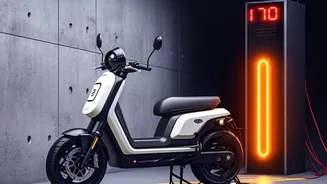
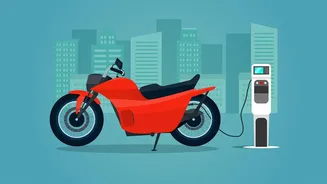
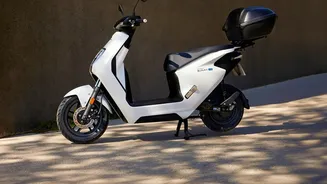
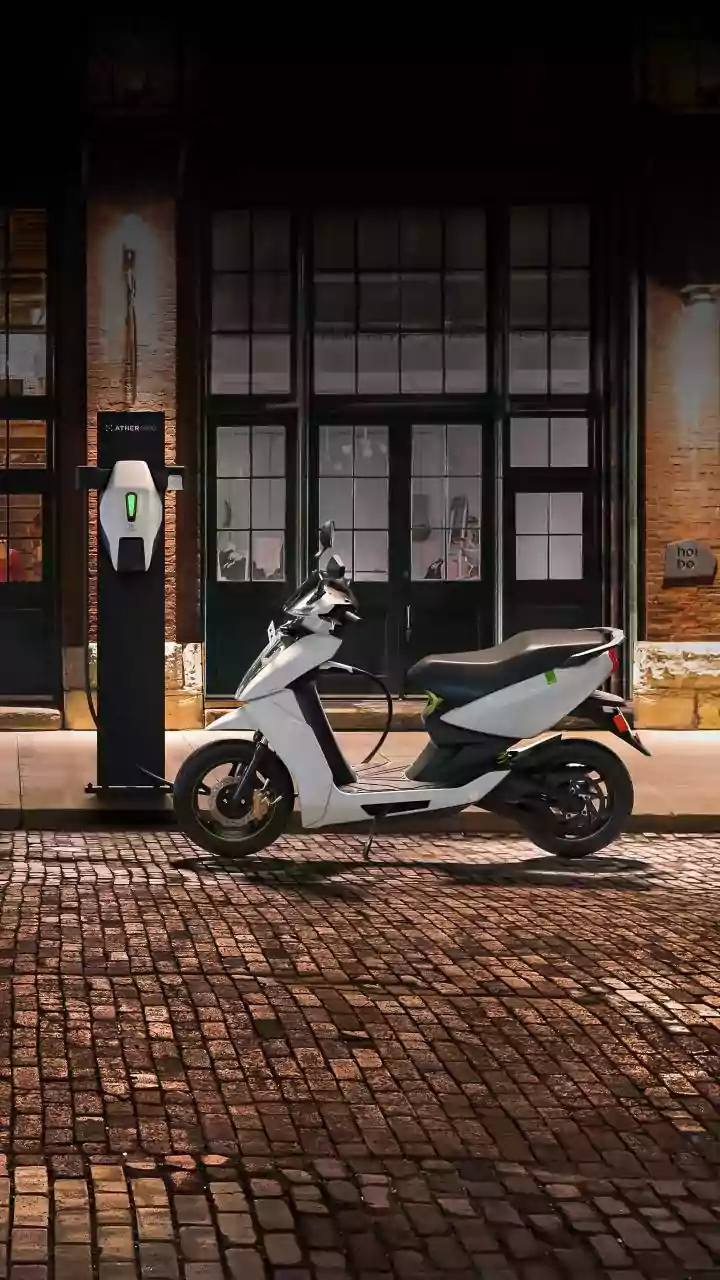
For India's booming electric scooter market, this technology could be a game-changer. The ability to charge in under ten minutes would make electric scooters immensely more practical for a wider range of users. Daily commuters would no longer need to plan for overnight charging. More importantly, it would revolutionize the gig economy. Delivery riders, who rely on their vehicles for their livelihood, could minimize downtime and complete more trips, boosting their earning potential. It could also shift the focus from battery-swapping infrastructure to a more robust network of ultra-fast charging stations, which may be more efficient to deploy. With less time spent tethered to a charging point, the convenience gap between electric and petrol scooters would virtually disappear, accelerating EV adoption across the country.
Hurdles Before Hitting the Road
While the technology is proven in labs and prototypes, seeing it in mass-market scooters will take time. The primary challenges are cost, scalability, and long-term reliability. Manufacturing new battery chemistries like solid-state or silicon-anode cells is currently more expensive than producing traditional lithium-ion batteries. Researchers and companies are working to bring these costs down, but it will be a gradual process. Furthermore, while companies like StoreDot and CATL have demonstrated 10-minute charging, and even showcased it in prototype cars like the Polestar 5, ensuring these batteries can withstand thousands of real-world charge cycles in varying Indian conditions is the next critical step. Production is ramping up, but commercial availability in affordable scooters is likely still a few years away.