



The Golden Rule: Escape the Lights
The single most important factor for good stargazing is a dark sky, free from light pollution. City and town lights create a glow that washes out fainter stars and meteors. To find a prime location, you need to travel away from populated areas. High-altitude
locations are often ideal as they sit above the thickest, haziest layers of the atmosphere. Aim for remote hills, deserts, or designated dark sky parks where the commitment to preserving natural darkness ensures a brilliant view of the cosmos. A clear, cloudless night is also crucial, so always check the weather forecast before you head out.
India’s Top Stargazing Sanctuaries
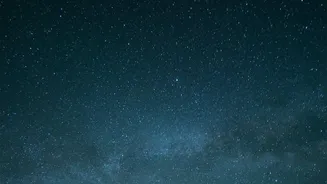
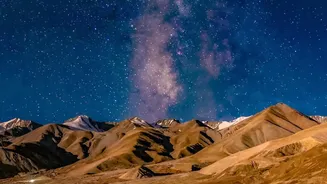
India is home to several world-class stargazing destinations. Hanle in Ladakh is perhaps the most famous, being the site of India's first official Dark Sky Reserve. Its high-altitude, dry climate, and minimal light pollution offer pristine conditions. The Spiti Valley in Himachal Pradesh is another high-altitude cold desert, where remote villages like Kibber and Komic provide spectacular, unobstructed views of the Milky Way. For those in other parts of the country, the Rann of Kutch in Gujarat offers vast, flat expanses with dark skies, especially during the winter. In the south, Coorg in Karnataka and Kodaikanal in Tamil Nadu offer excellent hilltop viewing points away from city glare. Even the Andaman and Nicobar Islands, particularly Neil Island, provide unique beachside stargazing opportunities with zero light pollution.
Timing is Everything: Major Meteor Showers
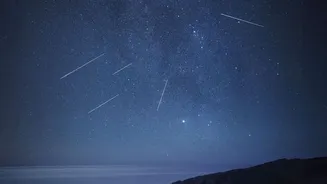
To see peak shooting stars, align your trip with one of the major annual meteor showers. The Perseids, peaking around August 12-13, are a fan favourite, though they can coincide with India's monsoon season, making clear skies a challenge. For 2026, the Perseids peak lines up with a new moon, promising extra dark skies for those in dry, high-altitude regions like Ladakh and Spiti. The Geminids, peaking on December 13-14, are often considered the best and most reliable shower of the year, with up to 120 meteors per hour in clear, post-monsoon skies. Other notable showers include the Quadrantids in early January and the Eta Aquariids in May, which are especially well-placed for observers in Southern India.
What to Pack for a Night Under the Stars
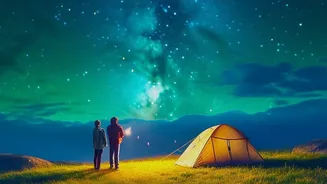
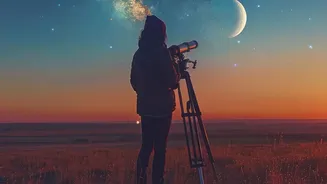
You don't need a lot of fancy equipment to enjoy a meteor shower. In fact, a telescope is not recommended as meteors move too fast across the sky; your naked eyes are the best tool. The key is to have a wide field of view. A comfortable reclining chair or a simple mat to lie on is essential for looking up without straining your neck. Since you'll be out in the dark, bring a red-light torch; red light affects your night vision less than white light. Star map apps on your phone can help you identify constellations, but be sure to use them in night mode. Finally, even in summer, nights can get cold in remote or high-altitude areas, so dress in warm layers.
Tips for the Best Viewing Experience
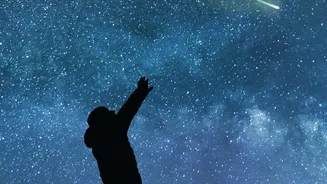
Once you've reached your dark sky spot, patience is key. It takes about 20 to 30 minutes for your eyes to fully adapt to the darkness and start seeing the fainter stars and meteors. Find a comfortable position, lie back, and simply look up. While meteor showers appear to radiate from a specific point in the sky, the meteors themselves can appear anywhere. The best strategy is to take in as much of the sky as possible. Avoid looking at your phone screen, as its bright light will ruin your night vision. Instead, relax, be patient, and let the celestial show unfold above you.