

A Monsoon Ritual
More than just a food, bhutta is an experience intrinsically linked with the Indian monsoon. As the skies turn grey and the first rains fall, roadside vendors, or 'bhuttawallas', appear with their carts and coal furnaces. For many, the sight and sound
of corn charring over hot coals is as much a part of the season as the rain itself. This connection is powerful; the craving for a warm, spicy cob of corn often rises with the drop in temperature. It’s a simple, comforting pleasure that transcends state boundaries, enjoyed everywhere from the bustling streets of Delhi to the windy beaches of Mumbai. The act of huddling under an awning, waiting for your bhutta as rain falls around you, is a shared cultural ritual that marks the season.
A Symphony of Simple Flavours
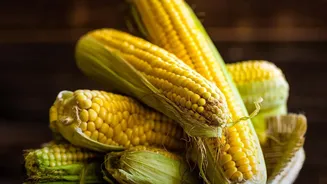
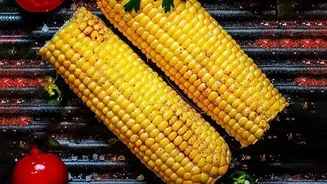
The classic Indian bhutta is a masterclass in simplicity. Unlike the sweeter corn varieties often boiled or steamed, the traditional bhutta uses a starchier, less sugary desi corn that roasts beautifully over charcoal. Once cooked, with kernels slightly blackened and smoky, it's rubbed generously with a slice of lemon dipped in a mixture of salt and red chilli powder. Some vendors add chaat masala or black salt for an extra kick. This combination of smoky, tangy, spicy, and savoury flavours is what makes it so irresistible. While this is the most common preparation, regional variations exist, showcasing local tastes. But the fundamental appeal remains the same: a perfectly balanced, flavourful snack that awakens the senses.
A Healthier Street Food Choice
In a landscape of deep-fried samosas and pakoras, the roasted bhutta stands out as a relatively healthy option. Because it's roasted or grilled, not fried, it avoids the excess oils common in other street foods. Corn itself is packed with nutrients. It is a good source of dietary fibre, which aids digestion, and complex carbohydrates that provide sustained energy. It also contains vitamins and essential minerals like Vitamin C, B vitamins, and magnesium. Furthermore, desi bhutta has less sugar than the hybrid sweet corn varieties, converting its sugars into complex starch that doesn't cause a sharp spike in blood sugar levels. Eating it hot off the coals also reduces the risk of contamination often associated with street food, making it a safer choice during the monsoon.
A Taste of Nostalgia and Community
For countless Indians, the taste of bhutta is deeply intertwined with nostalgia. It evokes memories of childhood, school holidays, family road trips, and evening walks. Part of its charm lies in its accessibility; it's one of the most affordable street snacks, enjoyed by people from all walks of life. Eating bhutta is rarely a solitary act. It’s a social ritual, a reason to gather with friends and family on a street corner, sharing a simple, joyful experience. This communal aspect transforms the humble corn on the cob from a mere snack into a memory-maker, solidifying its place in the nation's heart.
A Livelihood on the Streets
The bhutta tradition is also a vital component of India's informal economy. The arrival of the monsoon signals a crucial period of income for thousands of bhuttawallas across the country. Setting up a stall is a low-investment enterprise, often just a cart and a small grill, allowing many to earn a seasonal livelihood. Though it arrived in India only a few centuries ago, brought by Portuguese traders in the 16th century, corn has adapted deeply into the subcontinent's agricultural and cultural fabric. Today, every bhutta sold is a direct contribution to these small-scale entrepreneurs who are an indispensable part of India's vibrant street life.