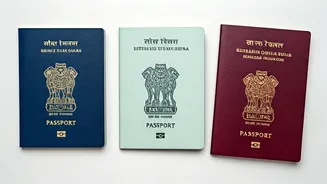









The People's Passport: Regular (Blue)
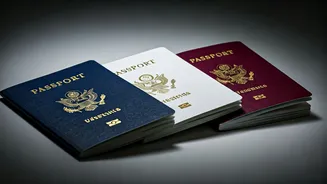
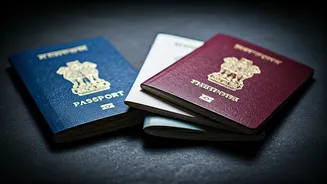
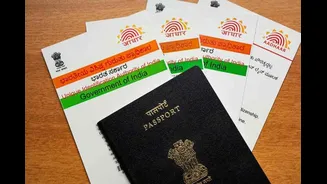
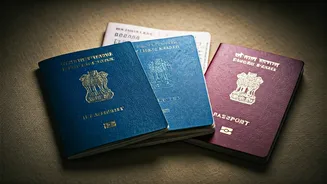
The most common passport, with its familiar navy blue cover, is the Ordinary Passport. This is the standard travel document issued to the vast majority of Indian citizens for personal, educational, or business travel abroad. Its primary function is to distinguish
regular citizens from government officials at a glance for international authorities. This Type P (for 'Personal') passport is what most Indians use for their international journeys, whether for a vacation, to study, or for work. All Indian passports are now issued as e-passports with an embedded biometric chip for enhanced security and smoother immigration processes.
The Official's Credential: Service (White)
A white-covered passport signifies that the holder is on official government business. Known as an Official or 'Type S' (for 'Service') passport, it is issued to government officials, civil servants, and military personnel travelling abroad for official duties. It is not for personal travel. The white colour helps immigration authorities easily identify the bearer as a representative of the Indian government, which can facilitate smoother passage. The application process for a white passport is more stringent than for a regular blue one, requiring official documentation and clearance to verify the nature of the travel.
The Diplomat's Document: Diplomatic (Maroon)
The maroon passport is the most exclusive of the three and is reserved for the highest echelons of the Indian government. Known as a Diplomatic or 'Type D' passport, it is issued to high-ranking officials like diplomats, members of the Indian Foreign Service (IFS), certain members of the Indian Administrative Service (IAS) and Indian Police Service (IPS), Union Ministers, and diplomatic couriers. This passport grants its holders special privileges, including easier visa processing and, in some cases, visa-free entry into many countries and even diplomatic immunity. These benefits are tied strictly to the official's diplomatic role and are not for personal use.
The Orange Passport That Wasn't
You may have also heard of an orange passport. In 2018, the Ministry of External Affairs (MEA) proposed issuing orange-coloured passport jackets to citizens who fall under the 'Emigration Check Required' (ECR) category. ECR status typically applies to individuals who have not completed their 10th-grade education and are travelling to certain countries for work, a measure intended to protect them from exploitation. However, the proposal was met with criticism that it would create a class-based distinction and could lead to the segregation and harassment of migrant workers. Following these representations, the MEA withdrew the decision and announced it would continue with the standard blue passport for all ordinary citizens, regardless of their ECR status.