





The Humidity Deception
The cool, breezy weather of the monsoon can be misleading. While you might not feel as thirsty as you do during peak summer, your body can lose a significant amount of fluid. The reason is humidity. When the air is already saturated with moisture, your sweat
doesn't evaporate easily. This traps heat in your body and disrupts its natural cooling mechanism. Your body continues to produce sweat in an attempt to cool down, leading to steady fluid and salt loss that often goes unnoticed. This is why you can feel sticky and drained, even when the temperature seems pleasant. This constant, inefficient sweating makes you more susceptible to dehydration than you might think.
Spotting the Sneaky Signs of Dehydration
Relying on thirst alone isn't a reliable indicator, especially during the monsoon. Thirst is often a sign that your body is already on its way to being dehydrated. In high humidity, the symptoms can be subtle and easily mistaken for simply feeling uncomfortable in the muggy weather. Watch out for signs like fatigue, weakness, headaches, dizziness, and muscle cramps. Another clear indicator is the colour of your urine; if it's dark yellow instead of pale, it’s a definite sign you need to drink more fluids. Dry skin, a parched mouth, and even irritability can also signal that your body's water levels are low.
Water Isn't Always Enough
When you sweat, you don't just lose water; you also lose essential minerals known as electrolytes, such as sodium, potassium, and magnesium. These minerals are crucial for maintaining fluid balance, nerve function, and preventing muscle cramps. Drinking large amounts of plain water without replacing these electrolytes can sometimes dilute the sodium levels in your body, worsening the problem. To effectively rehydrate, it's important to replenish these lost minerals. You can do this with oral rehydration salts (ORS) or by consuming natural electrolyte-rich drinks. This balanced approach ensures that your body can properly absorb and use the fluid you consume.
Eat Your Water
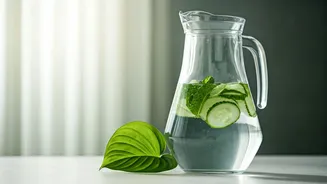
One of the most delicious ways to stay hydrated is by incorporating water-rich foods into your diet. Many fruits and vegetables that are abundant during the monsoon have high water content. Watermelon, which is over 90% water, is an excellent choice. Cucumbers, with about 95% water content, are incredibly refreshing. Other great options include oranges, tomatoes, strawberries, and leafy greens like lettuce and spinach. Including curd (dahi) in your meals is another fantastic way to boost hydration while also getting the benefit of probiotics for gut health.
Sip Smarter, Not Harder
What you drink is as important as how much you drink. Coconut water is a natural powerhouse of electrolytes, particularly potassium, making it an ideal rehydration drink. Traditional Indian beverages like nimbu pani (lemon water with salt and sugar) and buttermilk (chaas) are excellent for replenishing lost fluids and salts. Warm herbal teas, such as those with ginger or mint, can be comforting and hydrating, while also offering anti-inflammatory and immunity-boosting properties. It's wise to limit sugary sodas, excessive caffeine, and alcohol, as these can have a diuretic effect and contribute to dehydration.
Build Better Hydration Habits
Staying hydrated is all about consistency. Don't wait until you feel thirsty to drink water. Carry a reusable water bottle with you as a constant reminder to sip throughout the day. A good goal is to consume 8 to 10 glasses of water daily, but your individual needs may vary. If you struggle to remember, try setting reminders on your phone or drinking a glass of water before every meal. Start your day with a glass of water to rehydrate after a long night's sleep. These small, consistent habits can make a significant difference in maintaining optimal hydration levels and overall wellness during the monsoon season.