

Shifting from Destination to Journey
For generations, tourism in India often meant ticking off a checklist of destinations. The focus was on arriving, seeing the sights, and moving on. Now, a significant shift is underway, moving towards 'experience-led' travel. This approach prioritises
the quality of the journey, encouraging travellers to immerse themselves in culture, scenery, and unique activities along the way. Indian Railways is positioning itself at the heart of this transformation. By leveraging its vast network, which cuts through some of the country's most breathtaking landscapes, it is turning train travel from a mere mode of transport into a curated holiday experience. The goal is simple but profound: make the journey as memorable as the destination itself.
The Vistadome Revolution
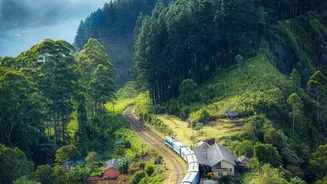
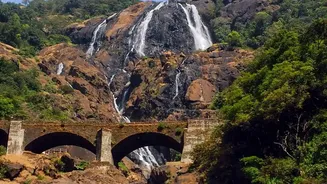
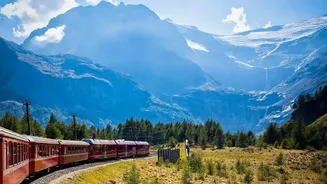
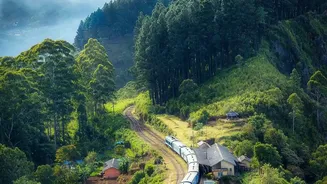
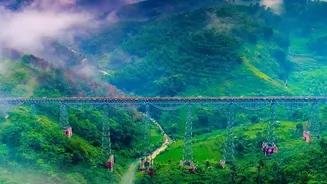
The most visible symbol of this new approach is the Vistadome coach. These specially designed carriages feature panoramic glass windows, transparent roofs, and rotating seats, offering passengers an uninterrupted, 360-degree view of their surroundings. First introduced on the Visakhapatnam-Araku Valley route, these coaches are now being deployed across India's most picturesque corridors. Popular routes include the stunning Konkan Railway journey from Mumbai to Goa, which navigates over 2,000 bridges and 92 tunnels along the Western Ghats, and the serene Kashmir Valley route from Budgam to Banihal, offering expansive views of the Pir Panjal range. Other key routes traverse the Eastern Ghats, the Himalayan foothills on the Kalka-Shimla line, and the lush greenery of the Bengaluru-Mangaluru track. These coaches are making passengers fall in love with the landscapes that fly by their windows.
Reviving History on Heritage Routes
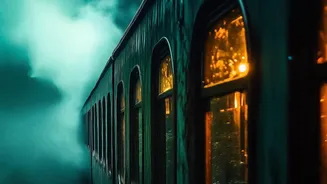
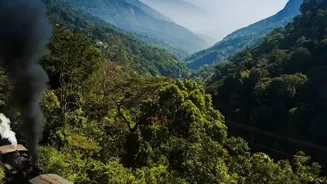
Beyond modern comforts, Indian Railways is also delving into its rich past by reviving heritage lines. The three UNESCO World Heritage Mountain Railways—the Darjeeling Himalayan Railway, the Kalka-Shimla Railway, and the Nilgiri Mountain Railway—are central to this effort. These 'toy trains' offer a nostalgic journey back in time, navigating steep gradients, dramatic loops like the Batasia Loop in Darjeeling, and over a century-old engineering marvels. The plan extends to preserving and promoting other metre-gauge and narrow-gauge lines that pass through unique ecosystems, such as the Patalpani-Kalakund route in Madhya Pradesh's Vindhyachal mountains and a line that cuts through Gujarat's Gir Forest. By restoring vintage steam locomotives like the Fairy Queen and running heritage services, these routes become living museums, celebrating India's rich railway legacy.
More Than Just a View
True experience-led tourism goes beyond a window seat. Recognising this, initiatives like the Bharat Gaurav tourist trains offer all-inclusive, themed travel circuits. These are not regular train services but curated tour packages designed around specific interests. For instance, the Shri Ramayana Yatra connects key locations from the epic, while the Buddhist Circuit links major pilgrimage sites. There are also tours focused on regional discovery, like the North East Discovery journey. These packages handle everything from accommodation and meals to local sightseeing, making complex itineraries accessible, especially for families and senior citizens. This model allows travellers to engage deeply with regional culture, history, and spirituality, all structured around a central rail journey.
The Path Forward
While the vision is ambitious, turning every scenic route into a world-class experience requires overcoming challenges. This includes upgrading track infrastructure, ensuring the high maintenance of heritage and luxury coaches, and marketing these journeys effectively to both domestic and international tourists. Success will also depend on collaboration between Indian Railways, IRCTC, and various state tourism boards to create seamless end-to-end experiences. As travellers increasingly seek slower, more meaningful ways to explore, the focus on scenic rail routes offers a sustainable and culturally rich alternative to air travel. It's an opportunity to rediscover the subcontinent not as a series of points on a map, but as a continuous, unfolding story seen from the window of a train.