




An Invisible Intruder in the Kitchen
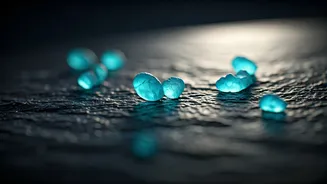
Microplastics are tiny plastic particles, typically smaller than five millimetres. They are the result of larger plastic items—like bags, bottles, and containers—breaking down over time from exposure to sun and water. These minuscule fragments have become
pervasive, infiltrating our oceans, soil, and even the air we breathe. Because they are so small and widespread, they inevitably find their way into the human food chain, turning up in everything from seafood and bottled water to, as recent studies confirm, salt and tea.
The Evidence in India's Salt
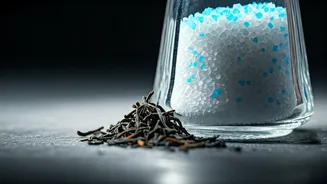
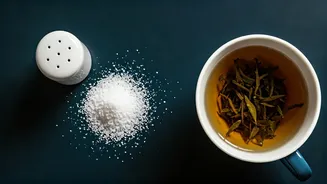
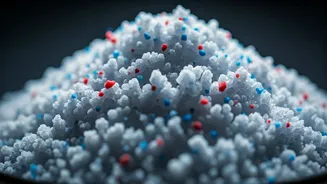
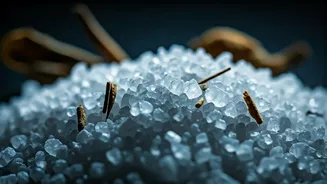
Several studies have put common Indian products under the microscope. Research from IIT-Bombay found microplastics in samples of popular sea salt brands sold in the country. The study, published in Environmental Science and Pollution Research, detected 626 microplastic particles in the tested samples. It concluded that an average Indian could be consuming approximately 117 micrograms of microplastics annually just from salt. A more recent study by the environmental organisation Toxics Link corroborated these fears, testing ten different types of salt—from packaged iodised salt to local raw salt—and finding microplastics in all of them. The highest concentrations were found in iodised salt, while rock salt generally contained lower amounts.
Is Your Daily Chai at Risk?
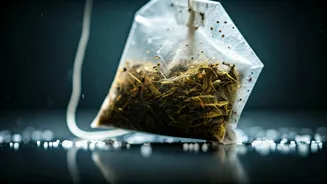
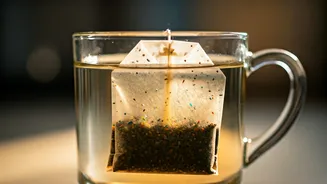
The concern extends beyond the salt shaker. Research has shown that some teabags, particularly those made with plastic-based materials like nylon or polyethylene terephthalate (PET), can release billions of microplastic and even smaller nanoplastic particles when steeped in hot water. One study found that a single plastic teabag brewed at a high temperature could release around 11.6 billion microplastic particles into the cup. While many Indian brands use traditional paper bags, some manufacturers use polypropylene as a sealant to keep the bags from falling apart. This means that with every dip, consumers could be getting a dose of plastic along with their tea.
The Unanswered Health Question
The discovery of microplastics in our food is unsettling, but what does it mean for our health? Currently, the scientific community acknowledges there are major knowledge gaps and more research is needed to fully understand the long-term effects. However, there are growing concerns. Scientists worry that these particles could cause inflammation, act as carriers for harmful chemicals like pesticides and heavy metals, and potentially disrupt hormone function. Studies have linked chemicals found in plastics to a range of health issues, including reproductive problems and an increased risk of certain diseases. While direct evidence of harm in humans from ingested microplastics is still emerging, experts agree that reducing exposure is a wise precaution.
How to Reduce Your Exposure
Completely eliminating microplastics from your life is likely impossible, but you can take practical steps to minimise your intake. When it comes to salt, studies suggest that rock salt or Himalayan pink salt, which are mined from ancient deposits, tend to have lower levels of microplastic contamination compared to sea salt derived from polluted oceans. For tea lovers, opting for loose-leaf tea and using a metal infuser is a reliable way to avoid plastic from teabags. If you prefer teabags, look for brands that guarantee their bags are plastic-free and made from unbleached paper. Beyond these specific items, reducing overall plastic use—such as storing food in glass or stainless steel containers instead of plastic, and avoiding microwaving food in plastic—can further limit your exposure.