
The Building Blocks of Life
Let’s start with the basics. Proteins are crucial for almost everything your body does, from building muscle to producing hormones. They are made up of smaller units called amino acids. There are 20 different amino acids, but nine of them are special.
These are called 'essential amino acids' because our bodies can't make them; we must get them from the food we eat. A food source that contains all nine of these essential amino acids in sufficient amounts is called a 'complete protein'. Foods from animal sources like meat, eggs, and dairy are typically complete proteins.
The Incomplete Protein Puzzle
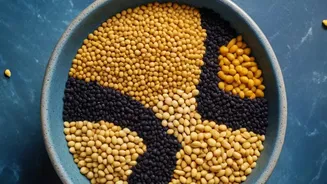
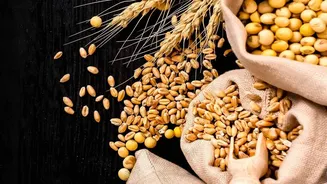
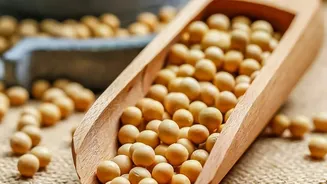
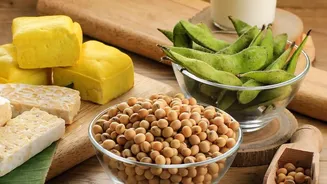
Most plant-based foods, on their own, are considered 'incomplete' proteins. This doesn't mean they are bad or lack protein. It simply means they are low in one or more of the nine essential amino acids. This low-level amino acid is called a 'limiting amino acid' because its scarcity limits the body's ability to build its own proteins effectively. For cereal grains like rice and wheat, the primary limiting amino acid is lysine. On the other hand, legumes such as lentils, chickpeas, and beans are typically low in the essential amino acid methionine. This is the core of the puzzle for anyone relying on plant-based diets for their protein intake.
A Perfect Nutritional Partnership
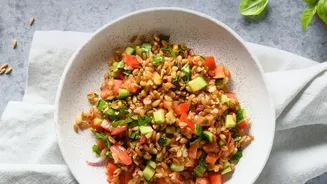
This is where the magic of combining foods comes in. The concept is called protein complementation. Think of it like two puzzle pieces fitting together. The weakness of one food is the strength of the other. Grains are low in lysine but have enough methionine. Legumes are rich in lysine but low in methionine. When you eat them together, their amino acid profiles complement each other, filling in the gaps. The combination creates a meal with a complete amino acid profile, providing your body with all the essential building blocks it needs, just as a single source of animal protein would.
A Tradition of Complete Protein
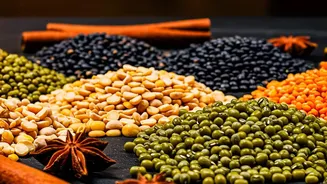
The best part? This nutritional wisdom is already deeply embedded in traditional Indian cuisine. You don't need to consult complex charts; you just need to look at your plate. The classic combination of dal and chawal (lentils and rice) is a perfect example of protein complementation in action. The same goes for eating roti (wheat) with a side of chana masala (chickpeas). Other beloved dishes that masterfully combine grains and legumes include khichdi, a comforting mix of rice and lentils, and the fermented batter of rice and urad dal used to make idli and dosa. These meals aren't just delicious and comforting; they are scientifically sound powerhouses of complete protein.
Does Timing Matter?
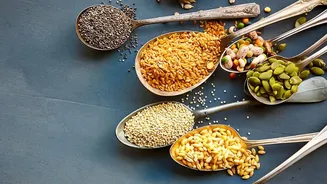
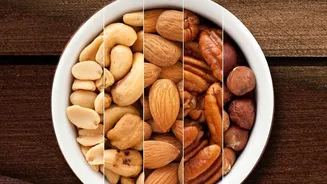
For years, it was believed that you had to eat complementary proteins in the exact same meal for your body to use them effectively. However, modern nutritional science has debunked this myth. Your body maintains a pool of amino acids it can draw from throughout the day. This means as long as you eat a variety of plant-based protein sources—like grains, legumes, nuts, and seeds—over the course of a day, your body will have everything it needs. So, you can have dal for lunch and roti for dinner and still get the full benefit. This flexibility makes achieving complete protein intake on a vegetarian or vegan diet much simpler than once thought.