
The Versatile Silk Scarf
Few accessories are as multifaceted as the humble scarf. In the 1940s, it became a practical symbol for working women, tied like a bandana to keep hair safely away from factory machinery. This 'Rosie the Riveter' look is easily recreated: fold a square
scarf into a triangle, place the long edge at the nape of your neck, and tie the ends in a neat knot at your hairline. For a touch of 1960s glamour, channel the iconic look of silk scarves tied over hair and under the chin, paired with oversized sunglasses. Scarves can also be woven through braids or wrapped around the base of a simple ponytail for a pop of colour and vintage flair.
The Elegant Decorative Comb
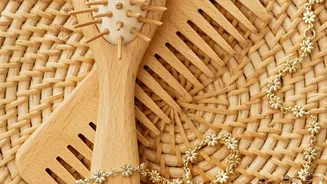
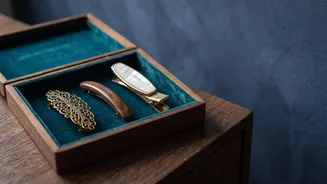
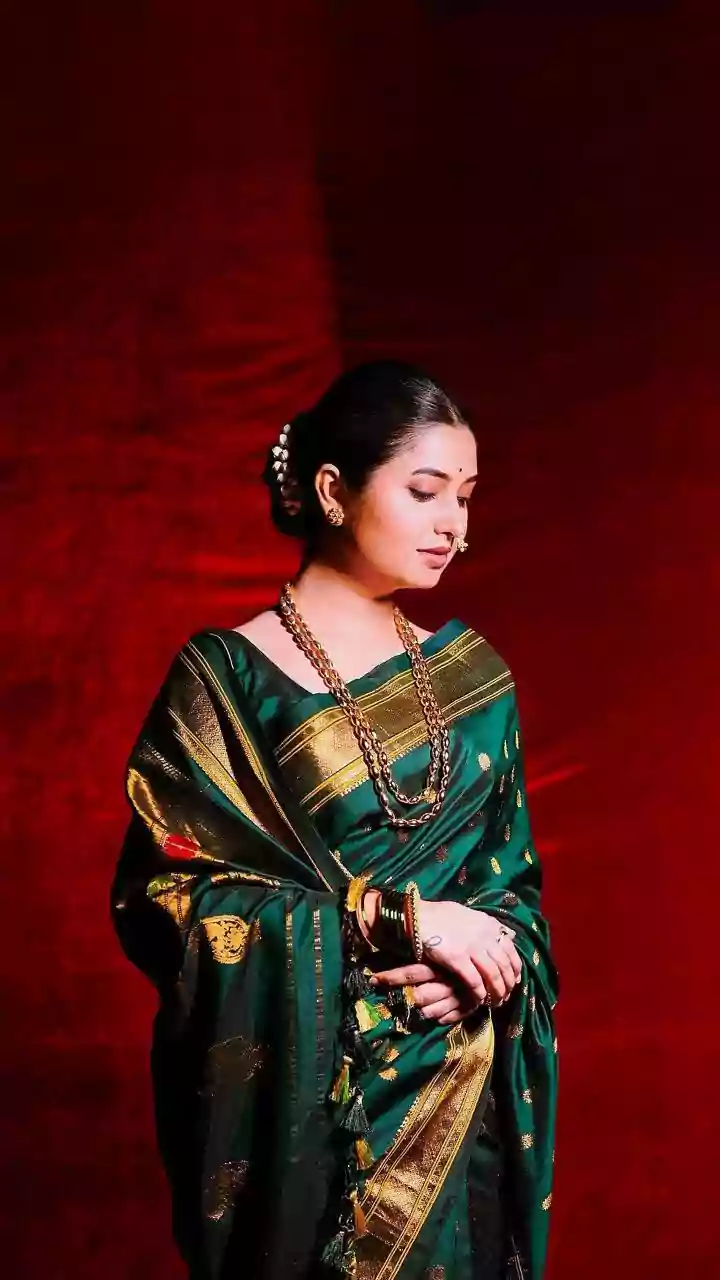
Long before modern clips, ornate combs were both functional and decorative. The 1920s saw a rise in glamorous Art Deco-style combs, often inlaid with jewels and used to adorn the sleek bobs and finger waves of the era. These pieces were like tiny sculptures, adding a point of interest while holding hair in place. To bring this elegance into a modern look, try tucking a decorative comb into the side of a simple chignon or a low bun. It’s an effortless way to elevate an updo, securing loose strands while adding a touch of vintage sophistication that feels both intentional and chic.
The Iconic Victory Rolls
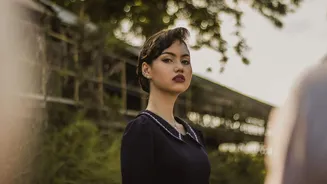
Perhaps no hairstyle is as synonymous with the 1940s as Victory Rolls. This look, named after an aerobatic manoeuvre performed by fighter pilots, involves creating voluminous rolls of hair on top of the head. While it looks intricate, the foundation is simple. Start by sectioning off the hair on one side of your part, from the hairline to just behind the ear. After backcombing for volume, wrap the section of hair around your fingers to create a loop, then roll it towards your scalp and secure it vertically with bobby pins. Repeat on the other side for the classic double-roll look. You can use jewelled pins or small clips to add extra flair and hold.
The Bold and Wide Headband
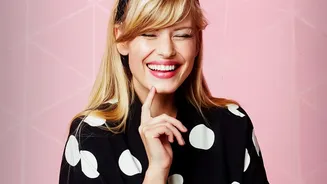
Headbands have a history stretching back to ancient Greece, but they truly found their modern footing in the 20th century. The 1920s had flapper headbands worn low on the forehead, often adorned with beads or feathers. But it was the 1960s that gave us the bold, wide headband. Often made of soft fabric, these headbands were the perfect partner to the high-volume beehives and flipped ends popularised by style icons of the decade. For a modern take, use a wide headband to push hair back, allowing for a bit of teased volume at the crown for that signature '60s silhouette. It’s a simple way to make a statement and control your hair with style.
The Comeback Claw Clip
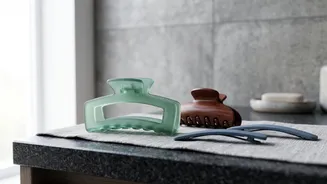
While it may feel recent, the claw clip is a certified vintage accessory, cementing its place in the 1990s. Initially a purely practical item, its beauty lies in its simplicity. The most iconic style is the French twist: gather your hair into a low ponytail, twist it upwards against the back of your head, and secure the entire twist with a large claw clip, letting the ends spill over the top. For a softer, half-up style, simply gather the top section of your hair, give it a slight twist to help the clip grip, and secure it at the back of your head. Once considered a casual, at-home accessory, the claw clip has returned as a chic and effortless staple.