






First, Why the Squeeze?
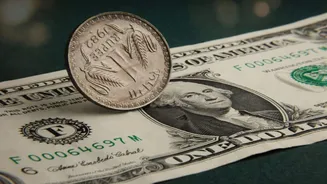
On Monday, the rupee fell to 95.56 against the US dollar, continuing a period of pressure for the Indian currency. This isn't happening in a vacuum. Several global and domestic factors are at play. A primary driver is the strengthening US dollar, fueled
by expectations that the US Federal Reserve might raise interest rates in September. When US interest rates go up, foreign investors are often tempted to pull money out of markets like India to invest in dollar-based assets, which increases demand for dollars and weakens the rupee. Adding to the pressure are rising global crude oil prices, which are nearing $90 a barrel. Since India imports the vast majority of its oil, higher prices mean the country needs to spend more dollars, further straining the rupee. Geopolitical tensions and outflows of foreign funds from Indian markets also play a significant role.
Your Foreign Trip Just Got Pricier
The most immediate pinch for many will be on international travel. A weaker rupee means your travel budget simply doesn't stretch as far. Every part of your trip, from airfares and hotel bookings to the food you eat and the souvenirs you buy, becomes more expensive because they are paid for in a stronger currency like dollars or euros. Experts estimate that a falling rupee can increase the cost of an overseas trip by 10% to 20%. For example, a trip budgeted at ₹5,00,000 could now cost you an additional ₹50,000 to ₹1,00,000. This has led many travellers to adjust their plans by shortening trip durations, choosing more affordable destinations in Southeast Asia or Eastern Europe where the rupee has better value, or postponing long-haul trips to the US and Europe altogether.
The Hidden Costs of Online Shopping
That must-have gadget or fashion item on an international website is also set to become more expensive. While the listed price is in a foreign currency, you pay for it in rupees. As the rupee weakens, the amount you're charged increases. But the pain doesn't stop at the conversion rate. The customs duties levied on imported goods are often calculated based on the assessed value in rupees. A weaker rupee inflates this value, leading to a higher tax bill. Furthermore, many credit and debit cards apply a foreign transaction fee, typically 3-5%, on international purchases. A weaker rupee means the base amount for this fee is higher, adding another layer of cost that can catch shoppers by surprise.
What About Students Studying Abroad?
Families with children studying overseas are particularly vulnerable. Tuition fees and living expenses are typically priced in foreign currencies. A depreciating rupee means that the cost of these expenses in rupee terms rises significantly. A student in the United States, for example, will find that the same dollar amount for rent, fees, and daily living now requires more rupees to cover. This can disrupt carefully planned budgets and force families to find additional funds at short notice, adding a layer of financial stress to the educational journey.
So, What Can You Do?
While you can't control currency markets, you can make smarter decisions to soften the blow. For travellers, consider booking all-inclusive package deals where costs are locked in. Opting for a forex card over a credit or debit card can help you lock in an exchange rate and avoid high transaction fees. Some travellers are also shifting to multiple shorter trips a year instead of one long, expensive vacation. For online shoppers, it’s a good time to compare prices with domestic retailers who may have existing stock. It might also be wise to wait for sales or a potential recovery in the rupee before making significant purchases from overseas. Being aware of the final landed cost, including all fees and duties, is more crucial than ever.