





Understanding Your Calcium Needs
Calcium is the most abundant mineral in the body and is crucial for strong bones and teeth, as well as proper muscle and nerve function. While needs vary by age, the Indian Council of Medical Research recommends a daily intake of 600 mg for most adults,
with higher amounts for adolescents and postmenopausal women. However, studies show the average calcium intake in India is often significantly lower, sometimes only around 429 mg per day, highlighting a widespread nutritional gap. This makes mindful food choices particularly important. The goal is to incorporate calcium-rich foods throughout the day, as the body can only absorb a limited amount at any one time.
Identifying Calcium Powerhouses
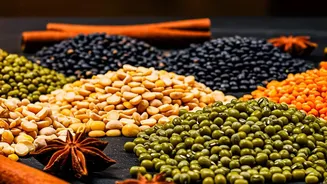
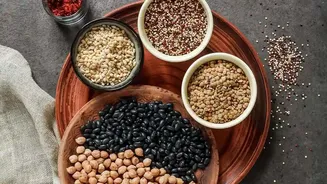
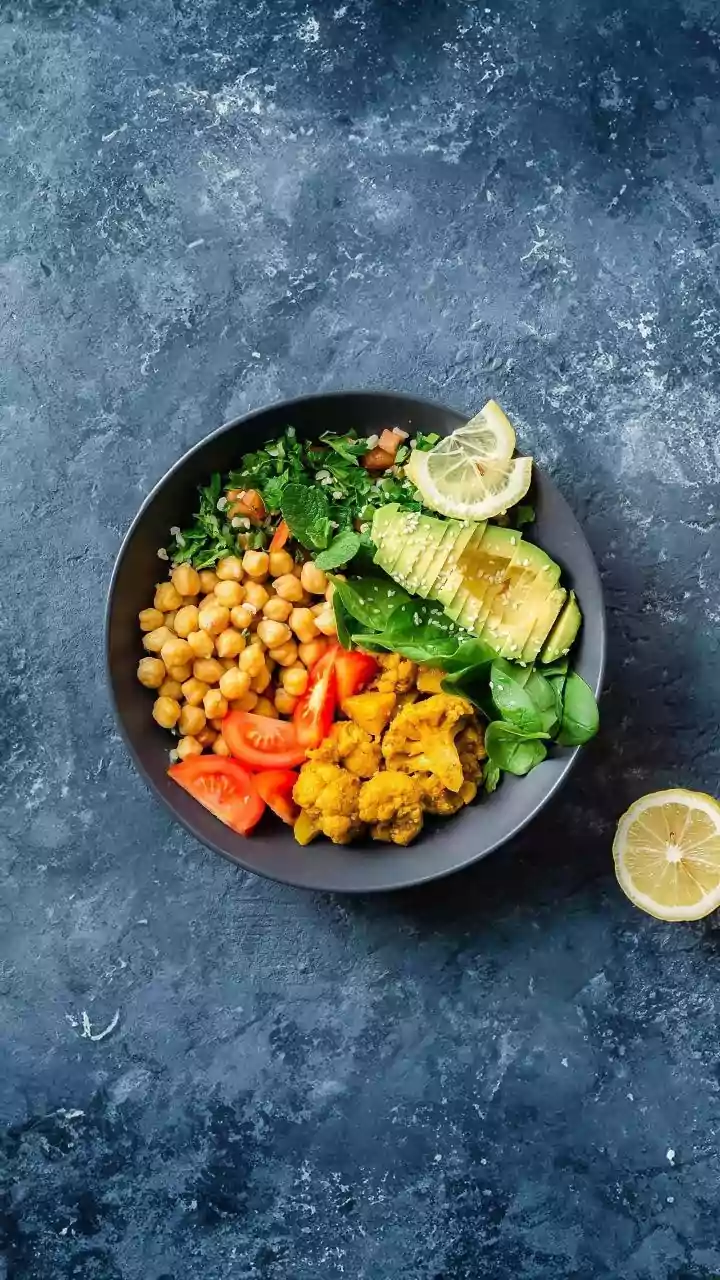
A well-planned vegetarian diet can easily meet calcium requirements. The key is to know which foods are the most potent sources. Dairy products like milk, curd (yogurt), and paneer are excellent and readily absorbed sources. A single cup of milk or yogurt can provide around 300 mg of calcium. Beyond dairy, many plant-based foods are packed with this vital mineral. Ragi (finger millet) is a standout, containing approximately 344 mg of calcium per 100g, making it one of the richest grain sources available. Sesame seeds (til), almonds, and leafy greens like amaranth (chaulai) and fenugreek (methi) are also significant contributors. Legumes such as chickpeas (chana) and kidney beans (rajma), along with calcium-set tofu, round out a diverse and robust list of options.
Boost Absorption and Minimize Blockers
Consuming calcium-rich foods is only half the battle; ensuring your body can absorb it is just as critical. Vitamin D is calcium's essential partner, facilitating its absorption in the gut. Adequate sun exposure and consuming vitamin D-fortified foods can make a major difference. At the same time, some plant compounds, known as antinutrients, can hinder calcium absorption. Oxalates, found in high levels in raw spinach and rhubarb, bind with calcium, making it less available to the body. Similarly, phytates in whole grains and legumes can reduce mineral absorption. However, traditional Indian cooking methods often naturally solve these problems. Soaking dals and legumes before cooking, and boiling or cooking leafy greens, significantly reduces the levels of these compounds, unlocking the full nutritional benefit of your food.
Simple Swaps for a Big Calcium Boost
Integrating more calcium into your diet is about smart substitutions, not sacrifices. These small changes can add up to make a significant impact on your daily intake.
Upgrade Your Flour: Swap regular wheat flour for ragi flour when making rotis or dosas. A ragi dosa for breakfast is a fantastic way to start the day on a calcium-high.
Sprinkle Some Seeds: Add a tablespoon of roasted sesame seeds to your sabzis, salads, or even just sprinkled over rice. One tablespoon contains about 88 mg of calcium.
Rethink Your Snacks: Instead of a fried snack, reach for a handful of almonds, which are not only rich in calcium but also provide healthy fats and vitamin E. Another great option is a bowl of curd or fortified soy yogurt.
Enrich Your Curries: Add paneer, calcium-set tofu, or a generous portion of chickpeas to your vegetable curries and gravies. A simple paneer bhurji or rajma chaat can be a delicious and calcium-dense meal.
Make Your Milk Work Harder: If you drink milk, use it in porridges or smoothies. For those who prefer plant-based options, choose a milk (like soy or almond) that is fortified with calcium.