



Beyond the Comfort of Kadha
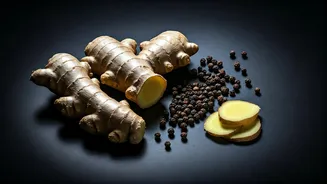
For generations, adrak and kali mirch have been the undisputed heroes of the Indian home remedy cabinet. A sore throat called for ginger-honey concoctions, while a looming cold was battled with a steaming cup of pepper-infused kadha. This deep-seated
trust in their medicinal properties has always been part of our cultural fabric. However, what was once traditional wisdom passed down by grandmothers is now being repackaged and amplified by the global wellness industry. The modern wellness movement, with its focus on natural, plant-based solutions, has rediscovered what we’ve known all along: these spices are potent functional foods. This has triggered a new wave of appreciation, pushing them from the realm of traditional remedies into the mainstream spotlight as certified 'superfoods'.
The Science-Backed Wellness Boom
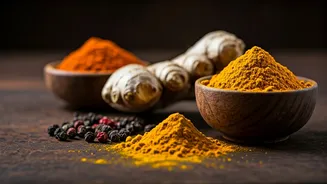
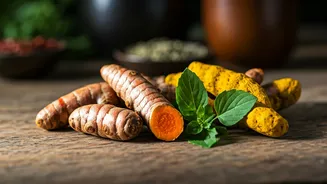
The current obsession isn't just based on folklore. A growing body of scientific research validates the health benefits of these spices. Ginger's power comes from gingerol, a compound known for its powerful anti-inflammatory and antioxidant effects. It's widely recommended for soothing nausea, aiding digestion, and reducing muscle soreness. Similarly, black pepper's magic lies in piperine, an alkaloid that not only gives it its characteristic pungent taste but also enhances nutrient absorption. For instance, piperine is famously known to boost the bioavailability of curcumin (the active compound in turmeric) by up to 2,000%. As health-conscious consumers increasingly look for food-based solutions to health concerns, the proven benefits of ginger and pepper make them an easy and attractive addition to a daily wellness routine, driving their consumption far beyond just flavouring meals.
A Global Culinary Adventure
While our palates have always been accustomed to their presence in dals and sabzis, the culinary landscape is changing. The rising popularity of global cuisines in India is introducing ginger and pepper in exciting new contexts. The sharp, zesty notes of ginger are now essential in East Asian stir-fries, Thai curries, and Japanese sushi accompaniments that are staples in urban restaurants and home kitchens. Black pepper, long relegated to a simple shaker on the table, is being celebrated for its complex, fruity notes. Chefs are using freshly cracked pepper not just as a final seasoning but as a core flavour in everything from Italian cacio e pepe to French steak au poivre. This culinary cross-pollination means we are consuming these spices more often and in more varied ways than ever before.
From Kitchen Staple to Commercial Star
This surge in popularity has not gone unnoticed by the food and beverage industry. Ginger and pepper are no longer just raw ingredients; they are star players in a vast array of commercial products. Supermarket shelves are now filled with ginger-infused teas, fizzy kombuchas, and concentrated health 'shots'. You can find black pepper in artisanal chocolates, gourmet potato chips, and even cocktails, where its spicy kick adds a surprising complexity. This commercialization has transformed them from humble agricultural produce into valuable commodities. The increased demand impacts everything from farming practices to export markets, turning these kitchen staples into significant economic drivers.