



The Great Transformation: From Starch to Sugar
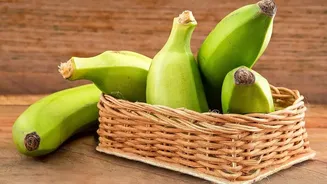
The fundamental difference between a raw, green banana and its ripe, yellow counterpart lies in its carbohydrate composition. A green banana is packed with resistant starch, which can make up 70-80% of its dry weight. This type of starch 'resists' digestion
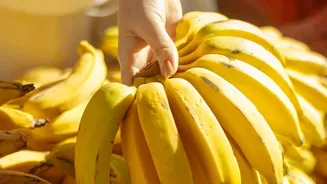
in the small intestine, functioning more like dietary fibre. As the banana ripens, a natural enzymatic process converts these complex starches into simple sugars like sucrose, fructose, and glucose. This is why a yellow banana tastes significantly sweeter and has a softer, mushier texture. A fully ripe banana contains very little starch, having completed its journey from a starchy vegetable to a simple-sugar fruit.
The Health Benefits of Green Bananas
The high resistant starch content in green bananas is the key to their unique health advantages. Because it isn't easily broken down, resistant starch acts as a prebiotic, feeding the beneficial bacteria in your gut and promoting a healthy digestive system. This fibre-like quality also helps you feel fuller for longer, which can aid in weight management. For those monitoring their blood sugar levels, green bananas are an excellent choice. The resistant starch slows the absorption of sugar into the bloodstream, preventing sharp spikes after a meal. However, for some people, the high starch content can cause gas or bloating, especially when first introduced into the diet.
The Sweet Rewards of Ripe Bananas
Once a banana turns yellow, it becomes a powerhouse of readily available energy, thanks to its natural sugars. This makes ripe bananas an excellent pre- or post-workout snack. The ripening process also makes the banana easier to digest. Ripe bananas are a fantastic source of essential nutrients, including potassium, which is vital for heart health and blood pressure regulation, and Vitamin B6, which supports brain function. They are also rich in antioxidants, which help protect your body from damage. While some micronutrients may decrease slightly as a banana ripens, the overall nutritional profile remains impressive, making it a healthy choice at any stage.
The Star Vegetable in Indian Cooking
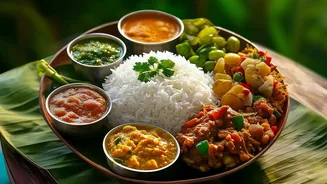
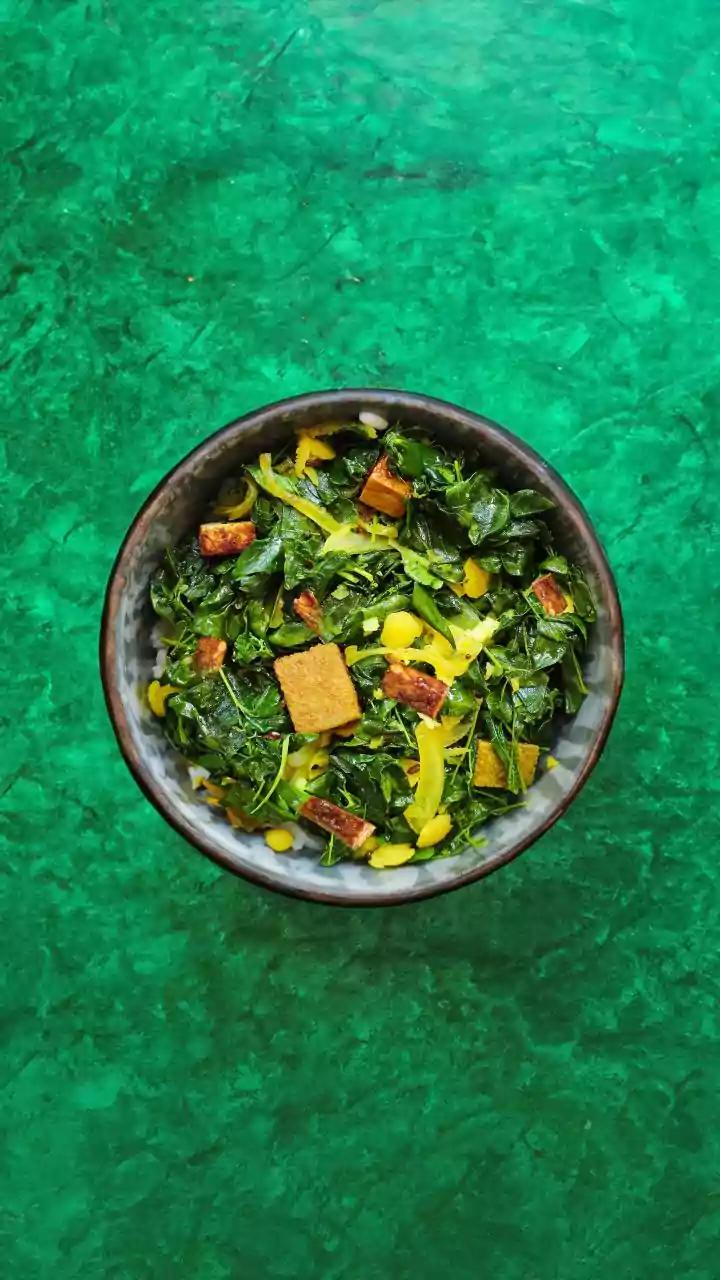
Across India, the green banana, or 'kachha kela', is treated as a versatile vegetable. Its firm, starchy texture is similar to a potato, allowing it to absorb spices and flavours beautifully without falling apart. In South India, 'vazhakkai' is a staple. It's famously used in dishes like Vazhakkai Fry, where slices of raw banana are pan-fried with mustard seeds, curry leaves, and a blend of spices like turmeric, chili, and coriander powder until crisp and golden. It is also a key ingredient in Avial, a traditional Keralan mixed vegetable stew with a coconut and yogurt base. In North India, you'll find it mashed and spiced to create 'Kachhe Kele ke Kofte', which are savoury dumplings served in a rich tomato-based gravy. From simple stir-fries ('sabzi') to chips and complex curries, the green banana proves its culinary mettle.
Which Banana Is Right for You?
Choosing between a raw and ripe banana depends entirely on your needs. If your goal is better gut health, managing blood sugar, or staying full longer, the resistant starch in a green banana is your best bet. You can incorporate it into your diet through savoury dishes like the ones mentioned above or even by adding green banana flour to smoothies. If you need a quick source of energy, a sweeter taste for desserts and smoothies, or an easily digestible snack, a ripe yellow banana is the perfect choice. They are also ideal for baking, adding natural sweetness to banana bread and muffins. The beauty of the banana lies in this very versatility, offering different benefits and flavours at each stage of its life.