






The Record That Sparked the Debate
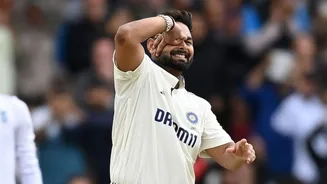
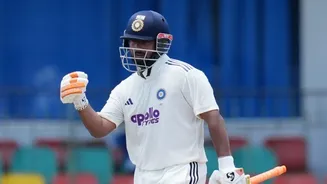
During India's Test match against Sri Lanka in Colombo, Rishabh Pant officially became the most prolific Indian wicketkeeper-batsman in away and neutral Test matches. He moved past the long-standing record held by his celebrated predecessor, MS Dhoni.
Pant's tally now stands at over 2,534 runs in these conditions, eclipsing Dhoni's career total of 2,496. What makes this achievement even more notable is the efficiency with which Pant has scored these runs, boasting a batting average of over 41, significantly higher than Dhoni's 32.84 in similar conditions. This statistical milestone is more than just a number; it serves as the catalyst for a deeper conversation about two of the most influential figures in modern Indian cricket.
The Batsman: Aggressor vs Stabiliser
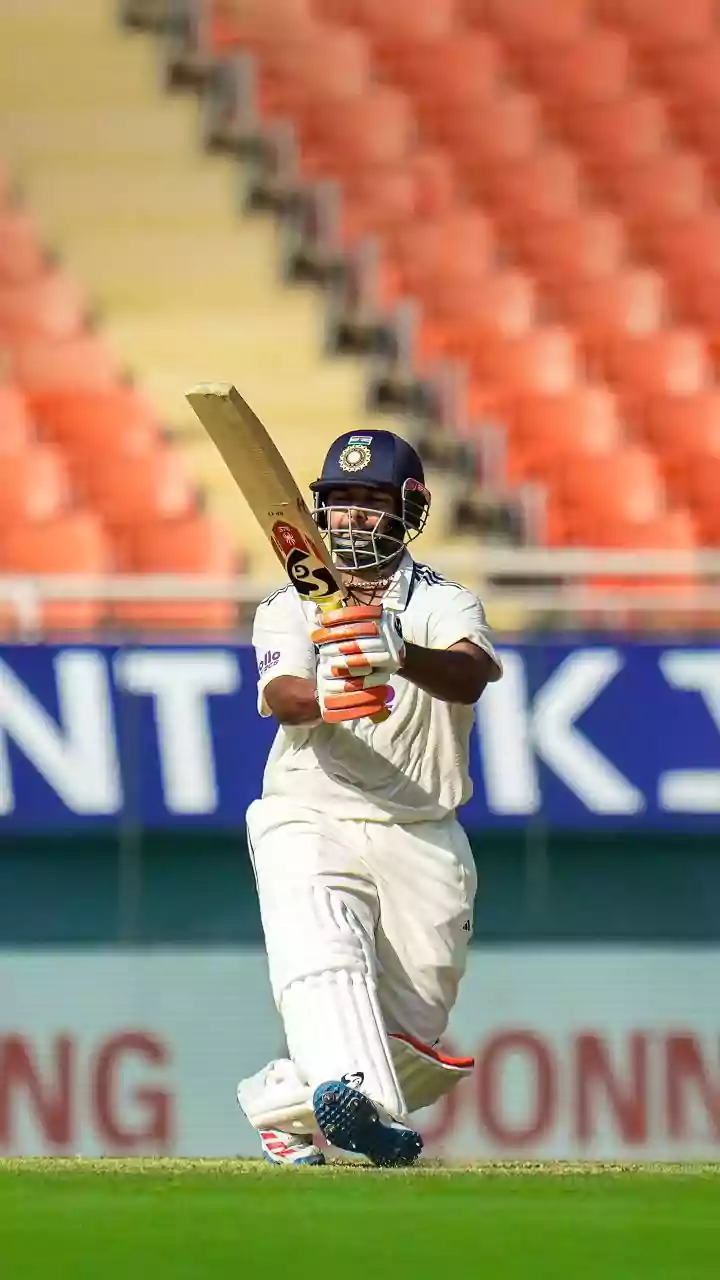
At the heart of the debate are their fundamentally different approaches with the bat. Mahendra Singh Dhoni was the master of stability. Coming in lower down the order, his primary role was often to absorb pressure, manage the tail, and guide the team to a position of safety. His gritty fifties and the one Test century he scored away from Asia were acts of resistance. Dhoni never scored a Test century outside of the subcontinent, a point often raised by critics, but his value was in his steadfastness under fire. In stark contrast, Rishabh Pant is an agent of chaos. He doesn't just score runs; he seizes momentum and dismantles bowling attacks. His legacy is being built on audacious, match-winning innings in hostile territories. His unbeaten 89 to breach Australia's fortress at the Gabba in 2021 is already part of cricketing folklore. With centuries in England, Australia, and South Africa, Pant does not just survive overseas—he dominates.
The Leadership X-Factor
This is where MS Dhoni’s legacy towers over almost everyone. He was not just a player but a transformative leader. Dhoni captained India in 60 Test matches, winning 27 of them and, most notably, leading the nation to the number one spot in the ICC Test Rankings for the first time in 2009. He instilled a sense of calm and self-belief in the squad, though his away record as captain was mixed, with only six wins on foreign soil. Pant, while having captaincy experience in shorter formats, has not yet shouldered the burden of Test leadership. His legacy is currently being forged through individual brilliance and his infectious energy on the field, not through overarching team strategy or captaincy credentials. For now, the leadership chapter belongs unequivocally to Dhoni.
Behind the Stumps: Different Styles, Same Goal
As wicketkeepers, both have been exceptionally effective, albeit with different styles. Dhoni’s technique was often described as unconventional, yet his lightning-fast stumpings and calm demeanour made him one of the safest pairs of hands in the game. He finished his career with 294 dismissals in Test cricket, a record for an Indian keeper. Pant, initially criticised for his keeping, has shown immense improvement. His constant chirping from behind the stumps is a signature part of his game, providing energy and unsettling batsmen. While he may not possess Dhoni’s preternatural calm, his athleticism and improved glovework have made him a reliable fixture, proving that there is more than one way to be a world-class keeper.
Impact vs Longevity: Two Sides of Legacy
Ultimately, comparing Dhoni and Pant is an exercise in appreciating different forms of greatness. Dhoni’s legacy is one of longevity, stability, and revolutionary leadership. He captained India through a golden era, provided a bedrock for the lower order, and retired as the country's most successful Test captain at the time. His impact was foundational. Pant's legacy, still being written, is one of pure, unadulterated impact. He is a match-winner in the truest sense, capable of turning a Test on its head in a single session. He is the player who makes the impossible seem possible, particularly in daunting overseas conditions. His strike rate and his knack for scoring 'heavy' runs that lead to victories define his contribution.