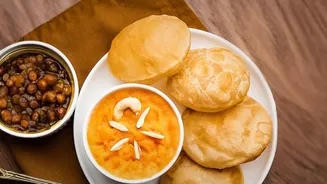



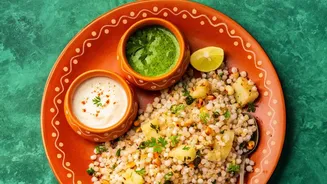
That familiar 11 a.m. slump, accompanied by an urgent craving for a snack, is a common feature of modern life. Yet, the solution might lie in looking back at the wisdom of traditional Indian kitchens, which have long perfected the art of a filling breakfast.
The Science of Lasting Energy
The secret to a breakfast that provides lasting energy lies in its carbohydrate profile. Not all carbs are created equal. They can be broadly divided into simple and complex, based on their chemical structure. Simple carbs, like those in sugary cereals, refined flour, and fruit juices, are broken down quickly by the body. This causes a rapid spike in blood sugar, followed by a sharp crash that leaves you feeling tired and hungry. In contrast, complex carbohydrates, found in whole grains, legumes, and vegetables, take longer to digest. This ensures a slow, steady release of glucose into the bloodstream, providing sustained energy for hours and preventing the dreaded mid-morning energy dip. This is often measured by the glycemic index (GI), a scale that ranks foods on how quickly they raise blood sugar levels. Lower GI foods are key to feeling full for longer.
The Power Trio: Carbs, Fibre, and Protein
Traditional Indian breakfasts rarely rely on carbohydrates alone. Their staying power comes from a balanced combination of complex carbs, fibre, and protein. Fibre, abundant in whole grains and vegetables, adds bulk to the meal and further slows down digestion, promoting a feeling of fullness. Protein is also crucial for satiety. This is why a simple plate of poha becomes much more effective when it includes peanuts and vegetables, or why idlis are always served with sambar, a lentil-based stew. The lentils in sambar and the dal in idli or dosa batter provide the protein that complements the carbohydrates from rice, creating a complete and balanced meal that supports stable energy.
Poha: The Light and Filling Flake
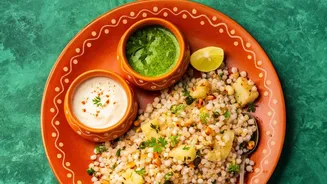
Poha, or flattened rice, is a beloved breakfast across western and central India for good reason. It is light on the stomach and easy to digest. While flattened rice itself has a moderate glycemic index, its impact on blood sugar is managed by how it's prepared. When cooked with a traditional tempering of mustard seeds, turmeric, and curry leaves, and mixed with onions, peas, and a handful of roasted peanuts, it becomes a well-rounded meal. The vegetables add fibre, and the peanuts provide healthy fats and protein. This combination slows down glucose absorption and enhances satiety, keeping you energised until lunch.
Idli and Dosa: Fermented Goodness
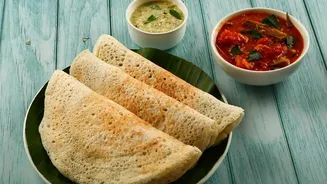
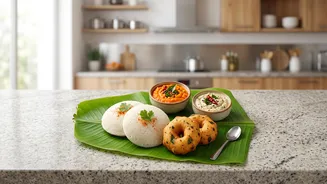
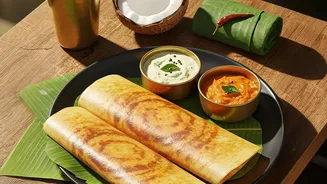
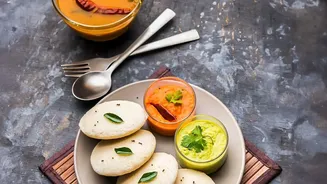
The South Indian staples of idli and dosa are prime examples of nutritional intelligence. Made from a fermented batter of rice and urad dal (split black lentils), they offer more than just carbohydrates. Fermentation makes the nutrients in the grains more bioavailable and easier to digest. The combination of cereal (rice) and pulse (urad dal) creates a complete protein profile. When these steamed, low-fat idlis are paired with a bowl of vegetable-laden sambar, the meal delivers a powerful mix of complex carbs, plant-based protein, and fibre. This trifecta is highly effective at providing steady energy and promoting long-lasting fullness.
Whole Grains: Thepla, Paratha, and Dalia
In many North and West Indian homes, breakfast revolves around whole wheat (atta). A whole wheat paratha or thepla, when made with minimal oil, is an excellent source of complex carbohydrates and fibre from the bran and germ of the wheat grain. Unlike their refined flour (maida) counterparts, whole wheat preparations support sustained energy release. Stuffing parathas with fillings like paneer (cottage cheese), sattu (roasted gram flour), or dal further boosts their protein content, making them even more filling. Another fantastic option is dalia (broken wheat), which can be cooked as a savoury upma or a sweet porridge. Its high fibre content ensures a slow digestive process, keeping hunger at bay for hours.