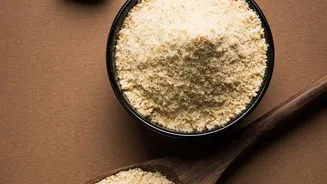


Protein powder is a fantastic nutritional boost, but its chalky, gritty texture can ruin a perfectly good smoothie or baked good. Fortunately, you don't have to settle. There are simple culinary tricks to transform its texture.
Why Is It Chalky In The First Place?
That unpleasant chalky or
gritty mouthfeel often comes down to a few key factors: protein type, particle size, and solubility. Some proteins, particularly certain plant-based ones like pea or rice, naturally have a starchier, more fibrous texture than milk-derived proteins like whey. How finely the powder is milled and whether it includes additives to help it dissolve also play a huge role. If a powder doesn't dissolve well, the undissolved particles remain suspended in the liquid, creating that signature gritty sensation. Understanding this helps you choose the right tools to fight back.
Embrace Healthy Fats for Creaminess
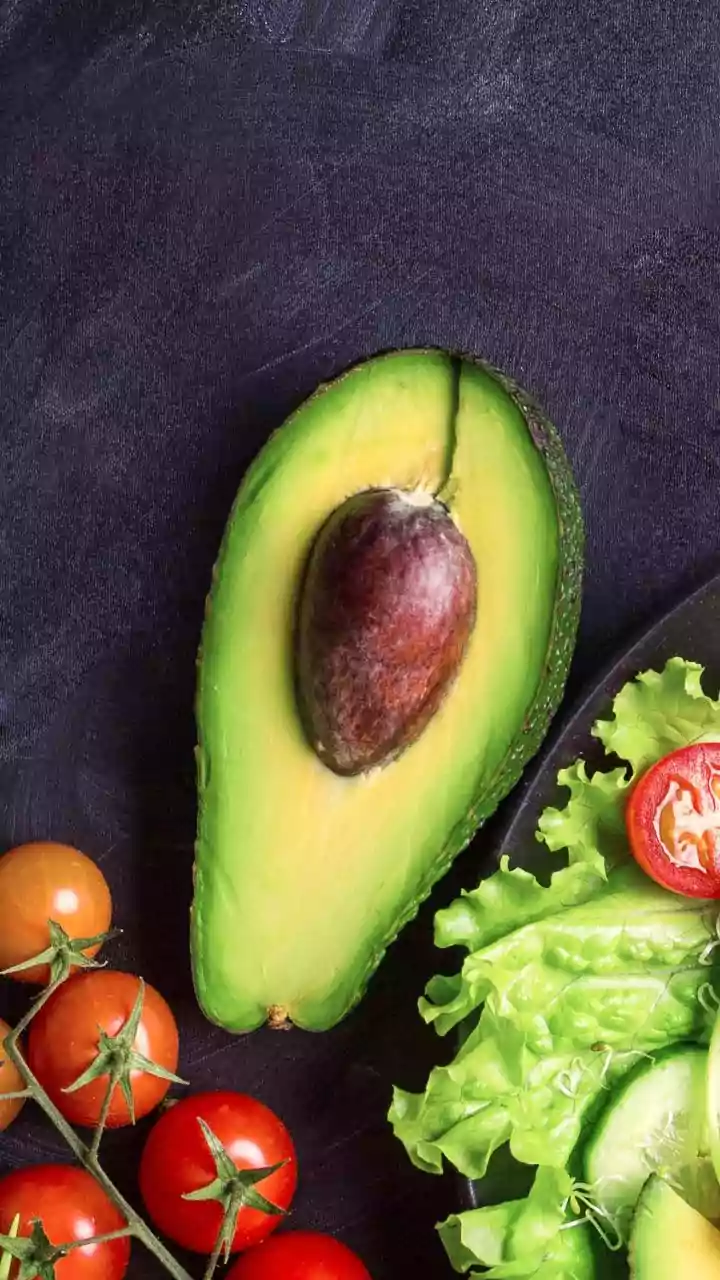
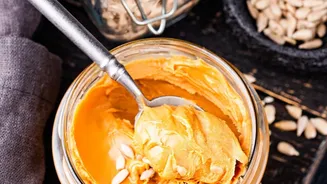
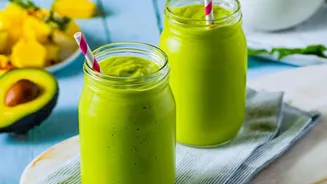
One of the most effective ways to combat a chalky texture is to introduce healthy fats. Ingredients like nut butters (peanut, almond), avocado, or full-fat Greek yoghurt do more than just add flavour; they create a rich, creamy mouthfeel that coats the protein particles, making any grittiness far less noticeable. Even a splash of whole milk, oat milk, or coconut milk instead of water can dramatically improve the smoothness of a shake or batter. The fat emulsifies the powder, leading to a much more palatable and satisfying result.
Leverage Fruit and Fibre
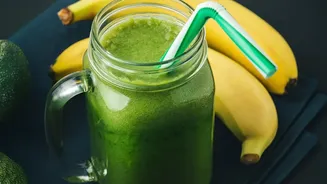
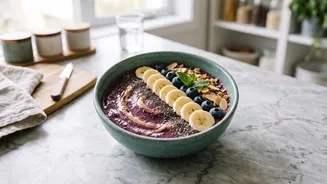
Fruits aren't just for flavour and sweetness; their fibre content is a secret weapon for improving texture. Frozen bananas are a game-changer, as their pectin and starch content helps thicken mixtures and creates a smooth, milkshake-like consistency. Berries, mangoes, and even applesauce contribute both moisture and body. Similarly, adding a tablespoon of rolled oats or chia seeds can help suspend protein particles and add a pleasing thickness that masks any underlying chalkiness. Just be sure to blend thoroughly to break everything down.
Fight Flatness with Flavour
Sometimes 'chalky' is not just a texture but also a taste—bland, flat, and dull. This is where strong, complementary flavours come in. A dash of cinnamon, unsweetened cocoa powder, or a shot of cooled espresso can completely overpower the subtle taste of unflavoured protein. Don't underestimate the power of extracts like vanilla or mint. Even in savoury dishes, bold herbs and spices like garlic powder or paprika can effectively hide the protein's presence when it's mixed into soups or sauces.
Master Your Mixing Technique
How you mix is as important as what you mix. A shaker bottle is convenient, but a highspeed blender is your best bet for a truly smooth consistency, as it pulverises particles more effectively. Always add your liquid to the blender before the powder; this prevents the powder from sticking to the bottom and forming clumps. For some powders, especially plantbased ones, letting the mixture rest for a minute or two after an initial blend can allow the particles to fully hydrate, resulting in a smoother final product.
Tips for Baking and Cooking
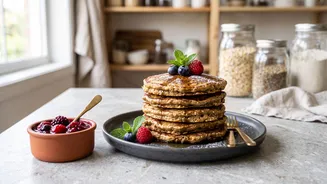
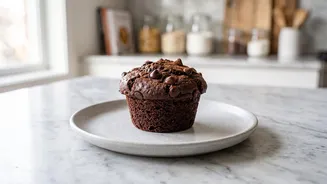
When cooking with protein powder, never substitute it oneforone with flour, as this will result in a dry, rubbery texture. A good rule of thumb is to replace no more than onethird of the flour in a recipe with protein powder. Because protein powder absorbs a lot of moisture, you'll likely need to add extra liquid ingredients like milk, yogurt, or mashed banana to keep your baked goods from drying out. Also, be mindful of heat; high temperatures can cause protein to curdle or clump. Adding it to sauces or oatmeal after they've been removed from the heat is a safer bet.