




The Morning Advantage: Energise and Elevate
Starting your day with yoga can feel like a gentle awakening for your entire system. A morning practice is renowned for its ability to boost mood and set a positive tone for the hours ahead. Dynamic, flowing sequences, such as Sun Salutations, increase
circulation and activate major muscle groups, shaking off the last remnants of sleep. This physical awakening is mirrored by a mental one. By moving your body intentionally first thing, you signal to your brain that it’s time to be alert and engaged. This can lead to improved focus and cognitive function throughout the day. Moreover, establishing a morning yoga habit often leads to greater consistency. With fewer distractions and a quieter environment, it’s easier to carve out that personal time before the day's demands take over.
The Science of a Sunrise Flow
There’s a physiological reason why morning yoga is so effective. Research suggests that exercise, including yoga, helps regulate cortisol, often called the “stress hormone.” While cortisol naturally peaks in the morning to help you wake up, a mindful yoga practice can help manage this response, preventing an unhelpful stress spike and promoting a more balanced state. A morning session also stimulates the release of endorphins, the body’s natural mood-lifters, contributing to that post-yoga glow that can last for hours. Some studies even indicate that early-day movement helps regulate the body’s circadian rhythm, which plays a vital role in metabolism. Poses that involve gentle twisting can also aid digestion by stimulating the abdominal organs, essentially kickstarting your entire system for the day ahead.
The Evening Unwind: Calm and Clarity
While morning yoga is about building energy, an evening practice is centred on letting it go. After a long day of professional demands, digital stimulation, and physical activity, the mind and body are often buzzing with residual tension. Evening yoga, particularly gentle and restorative styles, provides a structured way to release this built-up stress. The goal isn't to break a sweat but to slow down, release tight muscles, and transition from a state of “doing” to one of “being.” This intentional winding-down process helps to quiet the mental chatter, or “monkey mind,” that can make falling asleep feel impossible. By focusing on your breath and gentle movements, you create a buffer between your busy day and your peaceful night, preparing your body for deep, restorative rest.
The Biology of a Sunset Stretch
The calming effects of evening yoga are rooted in its influence on the autonomic nervous system. Our days are often dominated by the sympathetic nervous system—our “fight-or-flight” response—which keeps our heart rate up and muscles tensed. To fall asleep, we need to activate the parasympathetic nervous system, responsible for “rest and digest.” Slow, mindful yoga with deep breathing does exactly that. It stimulates the vagus nerve, which helps lower heart rate and blood pressure, signalling to the brain that the danger has passed. Poses that involve gentle forward bends and reclining positions help release physical tension accumulated in the neck, shoulders, and back. This reduction in physical discomfort sends fewer stress signals to the brain, allowing for a smoother and more natural transition into sleep.
Making the Right Choice for You
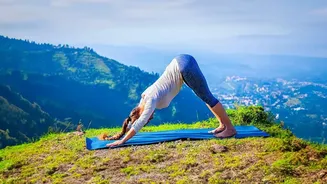
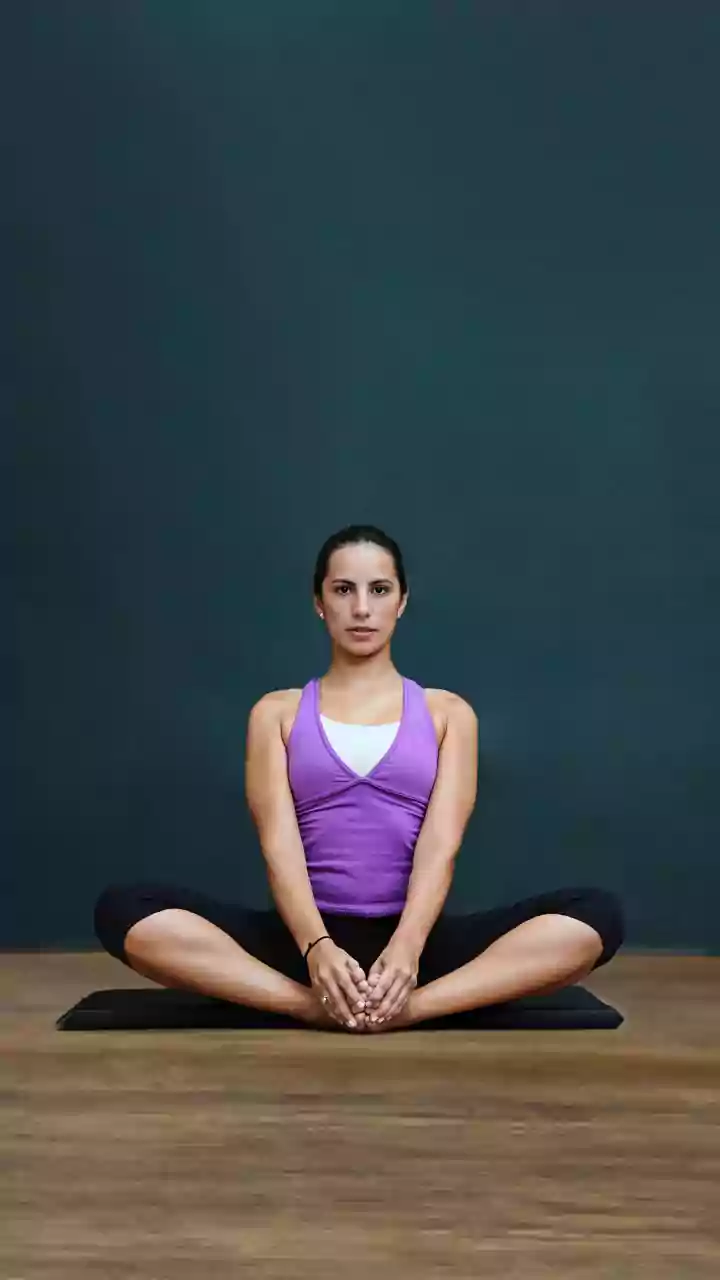
So, which is better? The answer depends entirely on your personal goals and lifestyle. If you struggle with morning grogginess and want to cultivate more energy and a positive mindset for your day, a dynamic morning practice with poses like Warrior I, Sun Salutations, and gentle backbends like Cobra pose could be ideal. On the other hand, if your primary challenge is stress, anxiety, or difficulty falling asleep, a calming evening routine will serve you better. Focus on slow, passive stretches like Seated Forward Bend, Legs-Up-the-Wall, or Child's Pose. These poses are designed to be held for longer periods, promoting deep relaxation. You don't have to choose just one. Some people benefit from a short, energising flow in the morning and a separate, gentle stretching session before bed. The key is to listen to your body and observe how different practices make you feel.