


1. Ridge Gourd Peel Chutney (Peerkangai Thol Thuvaiyal)
A staple in South Indian homes, this chutney, also known as 'thogayal', gives the fibrous, nutrient-rich peel of the ridge gourd a new lease on life. The peels are sautéed with lentils like urad dal and chana dal, dried red chillies, and a hint of tamarind
until tender. Once cooled, the mixture is ground into a coarse, flavour-packed paste. Often tempered with mustard seeds and curry leaves, this chutney is a perfect, earthy accompaniment to hot rice, idli, or dosa, proving that deliciousness can be found in the most unexpected parts of a vegetable.
2. Watermelon Rind Sabzi
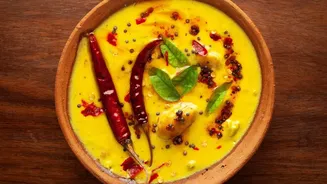
During peak summer, the white rind of a watermelon, usually discarded, is transformed into a delightful dish, especially in regions like Gujarat and Karnataka. The tough green skin is removed, and the white part is cubed and cooked much like a vegetable. A Gujarati-style 'shaak' involves simmering the rind with cumin seeds, turmeric, and a touch of jaggery for a sweet and sour finish. In South India, it might become a 'Majjige Huli', a yogurt-based curry similar to kadhi. The result is a surprisingly tender dish that soaks up spices beautifully.
3. Banana Stem Stir-Fry (Vazhaithandu Poriyal)
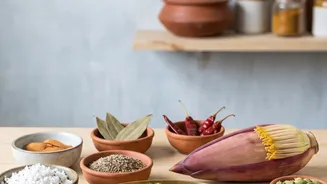
The banana plant is celebrated in Indian cuisine for its zero-waste potential, and the inner stem is a prime example. Known as 'Vazhaithandu' in Tamil or 'Thor' in Bengali, this fibrous core is finely chopped and often soaked in buttermilk to prevent browning. It is then turned into a crisp stir-fry ('poriyal' or 'thoran') with mustard seeds, coconut, and green chillies. Rich in fibre and known for its digestive benefits, this crunchy, mild-tasting dish is a testament to how humble ingredients can be both healthy and delicious.
4. Jackfruit Seed Curry (Kathal Ke Beej ki Sabzi)
After enjoying sweet, ripe jackfruit, don’t throw away the large seeds. Once boiled or roasted, their thin outer skin can be peeled off, revealing a firm, potato-like interior with a nutty flavour. These seeds are incredibly versatile and are used in curries across India. They can be pressure-cooked and then pan-fried with onions, tomatoes, and spices to create a hearty side dish that pairs wonderfully with roti or rice. Some recipes even combine them with raw mango for a tangy Kerala-style curry.
5. Bottle Gourd Peel Sabzi or Chutney
The peel of a bottle gourd (lauki) is another kitchen scrap that shines in traditional recipes. In Bengal, it's stir-fried into 'Lau Er Khoshar Torkari', a simple dish with panch phoron (a five-spice blend) and green chillies. Elsewhere, the peels are ground with lentils, coconut, and spices to make a flavourful chutney, much like the one made with ridge gourd. Whether stir-fried or ground, the peel offers a dose of fibre and a unique texture you wouldn't expect.
6. Cauliflower Stem Sabzi (Danthal ki Sabzi)
The thick, crunchy stems of cauliflower, often discarded, are the hero of 'Danthal ki Sabzi', a dish popular in Punjab and Jammu. The stems are chopped into bite-sized pieces and cooked into a tangy, sweet-and-sour curry using tamarind and jaggery for balance. Tempered with spices like fenugreek seeds, this dish transforms the woody stems into a tender, flavourful side. The leaves can also be used, often cooked with lentils or in a coconut-based curry, ensuring no part of the vegetable goes to waste.
7. Potato Peel Crisps (Aloo ke Chilke)
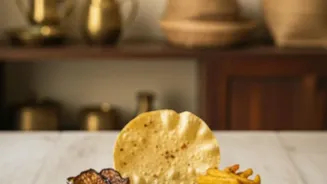
This might be the simplest and most satisfying way to use up kitchen scraps. Instead of binning potato peels, wash them thoroughly, pat them dry, and turn them into a crispy snack. Toss the peels with a bit of oil and your favourite spices—like red chilli powder, cumin powder, or even peri-peri seasoning. Then, you can either deep-fry them until golden and crunchy or bake them in a hot oven for a healthier alternative. Served hot, these crisps are a delicious, zero-waste answer to packaged chips.
8. Chhachra (Bengali Mixed Vegetable Medley)
Chhachra is the epitome of Bengali resourcefulness. This rustic dish combines a medley of vegetables with their peels, skins, and stems, such as pumpkin skin, potato peels, and cauliflower stems. Often, fish head and bones are added for extra flavour, though vegetarian versions are also common. The mix is tempered with spices like fenugreek and mustard seed paste, creating a complex, textured dish where nothing is wasted. It’s a perfect example of how scraps can come together to create something truly special.