






Why the Monsoon Is a Health Hazard Zone
The rainy season, while a relief from summer heat, creates a perfect breeding ground for bacteria and viruses. [18] High humidity and stagnant water lead to a surge in water-borne diseases like typhoid, cholera, and gastroenteritis. [8, 12] The damp environment
helps microbes flourish, contaminating food and water sources. [5, 21] For students, this often translates to a higher risk of common colds, flu, and stomach infections, as their immune systems are constantly challenged. [8, 15] Moreover, the body's digestive system naturally slows down in humid weather, making it harder to process heavy and oily foods, leading to issues like bloating and indigestion. [9, 16]
The Hostel Mess: Navigating the 'Don't' List
The convenience of a hostel mess comes with a downside: limited control over your food. During monsoon, it's crucial to be extra vigilant. First, steer clear of street food sold near campus. Items like chaat, pani puri, and pre-cut fruits are often exposed to contaminated water and air. [9, 16, 21] Even in the mess, be wary of raw salads and leafy vegetables like spinach and cabbage; they can harbour germs if not washed and cooked thoroughly. [10, 14] It’s also wise to limit fried foods like samosas and pakoras, as they are hard to digest and can upset your stomach. [9, 16] Seafood is another category to avoid, as monsoon is the breeding season, and the risk of contamination is high. [9, 10] Lastly, avoid cold or unpasteurised dairy products and opt for yoghurt or curd instead. [10, 22]
Building Your Monsoon 'Do' List
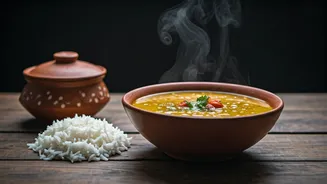
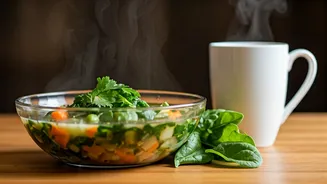
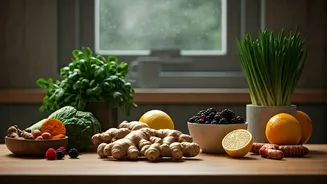
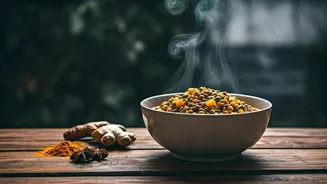
To counter the risks, focus on immunity-boosting and easy-to-digest foods. Opt for warm, freshly cooked meals. [17, 23] Soups, boiled vegetables, and light khichdi are excellent choices. [20] Incorporate powerful immunity-boosters into your diet. Spices like turmeric, ginger, garlic, and pepper have antimicrobial and anti-inflammatory properties that help fight infections. [6, 24] A cup of hot turmeric milk or ginger tea can be both comforting and protective. [25] Embrace seasonal fruits like pomegranates, apples, and pears, but make sure to wash them well and peel them yourself. [2, 21] These fruits are packed with Vitamin C and antioxidants that strengthen your body's defences. [2, 3] If the mess serves gourds like lauki (bottle gourd) or karela (bitter gourd), have them, as they are light and healthy monsoon vegetables. [22, 24]
Smart Snacking and Hydration in Your Room
Since mess food can be unpredictable, stocking your room with safe snacks is a smart move. Roasted chana, makhana (fox nuts), almonds, and walnuts are great options that are nutritious and filling. [4, 26] A handful of almonds provides Vitamin E, which helps reduce the chance of catching colds. [4] You can also make your own sprouts by soaking moong dal, but ensure you steam or cook them before eating during this season. [14, 26] Hydration is key, but be careful about the source. Always drink boiled or filtered water. [7, 19] Avoid tap water and ice from outside sources. [21] Carrying your own water bottle is a simple yet effective habit. Instead of cold carbonated drinks, opt for herbal teas or just warm water to aid digestion and keep infections at bay. [23]