




The Forecast: A Delayed and Potentially Intense Arrival
After a brief stall, the Southwest Monsoon is set to advance across North India, with the India Meteorological Department (IMD) indicating favourable conditions for its arrival in Uttar Pradesh, Uttarakhand, and other northern states within the first
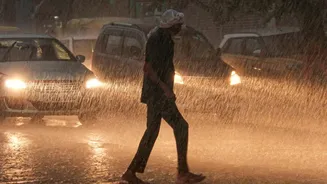
week of July. This comes after an unusually warm and dry June and a delayed onset for many, including Delhi, which sweltered through its warmest morning in two years. While the rains bring respite from heatwave conditions, the pattern of delayed arrival followed by intense spells is a growing concern. This combination can overwhelm urban infrastructure, making personal and community preparedness more critical than ever. Officials in cities like Delhi have been directed to remain on high alert, with a Flood Control Order issued for 2026 to hold authorities accountable for waterlogging.
At Home: Your First Line of Defence
Preparing your home is the most crucial first step. Start by inspecting your roof, walls, and windows for any cracks or leaks that could allow water to seep in. Clogged drains and terraces are a primary cause of localised flooding, so ensure all outlets are clear of debris. Check all electrical wiring, especially outdoor connections and those in areas prone to dampness, to prevent short circuits. It is also wise to assemble an emergency kit. This should include a torch, spare batteries, a power bank for your phone, a first-aid kit with essential medicines, and a supply of dry food and clean drinking water. In case of heavy downpours and power outages, this kit can be a lifesaver. Finally, secure any loose items on balconies or terraces that could be blown away by strong monsoon winds.
Health Watch: Guarding Against Seasonal Illnesses
The monsoon season creates a perfect breeding ground for bacteria and viruses, leading to a spike in vector-borne and waterborne diseases. Dengue, malaria, and chikungunya, spread by mosquitoes, are rampant. The most effective prevention is to eliminate stagnant water in and around your home—in coolers, plant pots, and any open containers. Waterborne diseases like typhoid, cholera, and gastroenteritis also surge as rainwater can contaminate drinking water supplies. Health advisories consistently recommend drinking only boiled or filtered water. Be extra cautious with street food, raw salads, and pre-cut fruits, as they are common sources of infection. Washing hands frequently and maintaining personal hygiene is a simple yet powerful tool to keep your family safe.
On the Move: Conquering the Commute
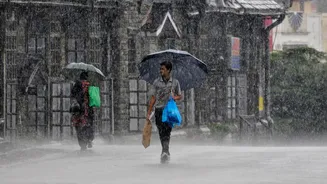
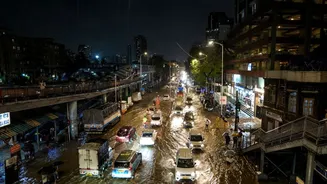
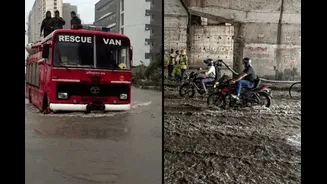
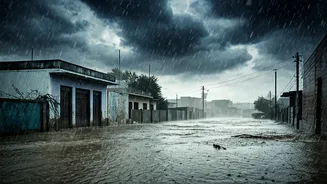
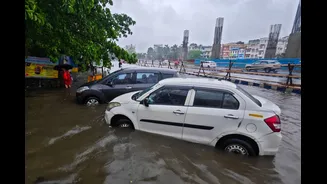
Navigating North Indian cities during the monsoon can be a daily battle. Waterlogging turns major roads into gridlocked nightmares within hours of a downpour. Before you leave the house, check for traffic updates and weather alerts. If possible, avoid travelling during peak rainfall. If you drive, ensure your car's tyres, brakes, and wipers are in good condition. Driving through flooded streets is dangerous; it can damage your vehicle and poses a risk of being swept away. For those using public transport or walking, be wary of open manholes and submerged potholes. Wearing appropriate footwear with good grip is essential. Given the frequency of traffic snarls, always carry a bottle of water and keep your phone fully charged. A little planning can save you from being stranded for hours.
Community Effort: We're In This Together
While individual preparedness is key, monsoon resilience is also a community effort. Decades of chaotic urbanisation and encroachment on natural floodplains have worsened flooding in cities like Delhi. Simple civic actions can make a difference. Avoid littering, as plastic bags and other waste are a primary reason for choked drains. Keep an eye on elderly neighbours or those who live alone and may need assistance during an emergency. Save the contact numbers for local disaster management authorities, municipal control rooms, and emergency services. Many cities like Delhi have set up 24/7 central control rooms to manage monsoon-related issues. Being an alert and responsible citizen not only helps your immediate community but also eases the burden on civic agencies working to manage the city-wide impact.