



The Scent of the Season
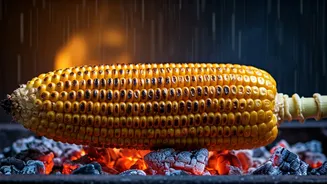
There are some things that are intrinsically linked to the Indian monsoon. The smell of petrichor rising from parched earth, the rush to pull clothes off the line, and the unmistakable, smoky aroma of corn on the cob being roasted over a bed of glowing
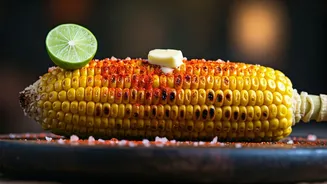
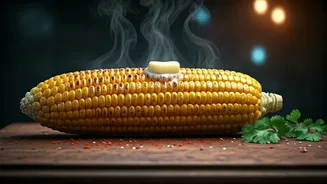
coals. This isn't just any corn; it's bhutta. For millions, the arrival of the rains signals the start of bhutta season, a time when street corners come alive with vendors fanning embers, their makeshift stoves promising a taste that is both primal and deeply comforting. It’s a multi-sensory experience: the hiss of the kernels as they char, the vibrant yellow turning a dappled black, and the final, glorious application of spice and lime that makes your mouth water in anticipation.
A Bite of Pure Nostalgia
More than just a snack, bhutta is a vessel for memory. It's the taste of childhood trips to the beach or a hill station, where the cool air made the hot, spicy cob taste even better. It’s the simple pleasure of stopping the car on a long drive during a downpour to share one with family. In an era of complex, multi-step gourmet recipes and fleeting food fads, bhutta’s appeal lies in its stunning simplicity. It requires no fancy plating, no special cutlery—just your hands and an appetite for something real. This return to basics is a powerful antidote to our often-overcomplicated lives, offering a direct connection to a simpler, perhaps happier, time.
The Art of the Classic Bhutta
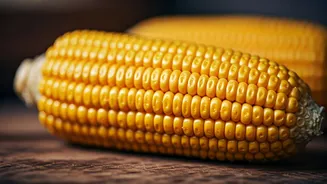
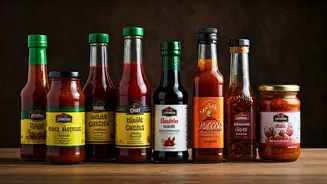
Making the perfect street-style bhutta is an art form honed over generations. It begins with the selection of the corn itself—ideally the firm, less-sweet desi variety, whose starchy kernels are perfect for roasting. The vendor, often a permanent fixture of the neighbourhood, expertly turns the cob over the embers, knowing the precise moment to pull it away to achieve that perfect balance of charred and cooked. The real magic, however, happens in the final step. A wedge of lime is dipped into a signature masala blend—typically a mix of salt, red chilli powder, and perhaps chaat masala or black salt—and then rubbed vigorously all over the hot cob. This simple act transforms the corn, creating a flavour explosion that is at once spicy, tangy, smoky, and salty.
The Modern Makeover
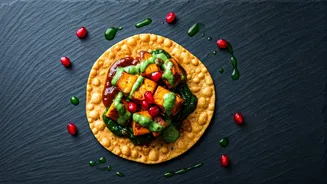
While the classic nimbu-masala bhutta remains an undisputed champion, the snack is now finding new life in modern kitchens and trendy cafes. This is where the "trending again" aspect comes into sharp focus. Chefs are reinterpreting bhutta, proving its versatility. We're seeing corn "ribs"—strips of corn on the cob, fried and tossed in exotic spices like peri-peri or Sriracha. Cafes are serving bhutta salads with feta cheese and cherry tomatoes, and gourmet corn chaats are appearing on menus. At home, cooks are experimenting with herbed butters, garlic infusions, and even cheesy toppings. This new wave doesn't replace the original; it celebrates it, introducing the humble bhutta to a new generation and proving that a classic can always learn new tricks.
Why We're Craving It Now More Than Ever
So, why the resurgence? The trend is fuelled by a perfect storm of factors. Social media plays a huge role; a beautifully charred cob of corn is undeniably photogenic, making it perfect for Instagram reels and food blogs. Furthermore, in a post-pandemic world, there's a collective yearning for authenticity and comfort. We are seeking out experiences that are genuine and rooted in our culture. Street food, particularly a beloved classic like bhutta, offers that connection. It represents community, shared experience, and the simple joy of eating good food in the open air. It's a reminder that sometimes, the most satisfying things in life aren't new or expensive, but timeless and true.