



The Golden Rule: Warm and Freshly Cooked
The rainy season brings humidity, which, according to Ayurveda, can weaken our digestive fire, or 'agni'. This makes it harder for our bodies to process heavy, raw, or cold foods. The guiding principle for a monsoon diet is to favour meals that are warm,
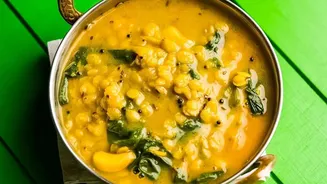
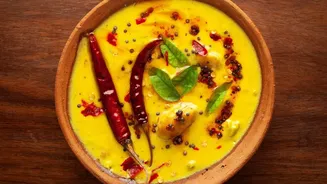
light, and freshly prepared. Think of comforting bowls of moong dal khichdi, which is considered an almost perfect meal for this season as it's easy to digest and provides balanced nutrition. Warm vegetable soups, simple dals, and steamed dishes are also excellent choices that soothe the digestive system and reduce the risk of bloating and indigestion. It's also wise to avoid leftovers, as the high moisture in the air can cause food to spoil faster.
Embrace Seasonal Monsoon Vegetables
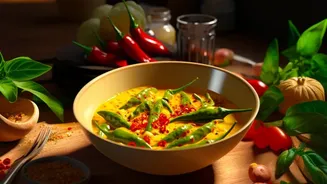
Nature provides the best produce for every season, and the monsoon is no exception. Vegetables that grow during this time are typically lighter and easier on the stomach. Opt for gourds like bottle gourd (lauki), bitter gourd (karela), ridge gourd (turai), and pointed gourd (parwal). These vegetables are not only packed with nutrients but also have a high water content and fibre that aids digestion. While leafy greens like spinach are nutritious, they can be prone to carrying more dirt and germs during the rains. If you do consume them, ensure they are washed thoroughly, preferably in warm water with a bit of salt, and cooked completely rather than eaten raw in salads.
Harness the Power of Spices
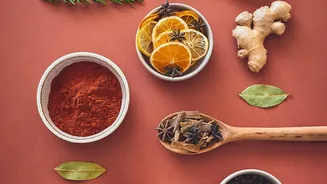
Indian kitchens are a treasure trove of spices that do more than just add flavour; they have powerful medicinal properties. During the monsoon, certain spices are particularly beneficial for boosting immunity and aiding digestion. Ginger, with its anti-inflammatory properties, is excellent for soothing sore throats and colds. Garlic is known for its strong antiviral and antibacterial qualities. Turmeric is a potent antioxidant that helps fight off infections. Other spices like black pepper, cumin (jeera), and carom seeds (ajwain) help improve digestion and prevent the feeling of heaviness after meals. Incorporating these generously into your daily cooking is a simple and effective way to fortify your body's defenses.
Choose Your Fruits Wisely
While fruits are a vital part of a healthy diet, some are better suited for the monsoon than others. Seasonal fruits like jamun, plums, cherries, pears, and pomegranates are great choices. They are rich in antioxidants and Vitamin C, which is crucial for a strong immune system. Amla, or Indian gooseberry, is another powerhouse of Vitamin C and a traditional immunity booster. It's generally advised to be cautious with fruits that have very high water content, like watermelon, as they can sometimes aggravate the digestive system during this season. Always make sure to wash fruits well and consume them fresh, avoiding pre-cut fruits sold by street vendors to minimize the risk of infection.
The Comfort of Herbal Drinks
There's nothing quite like a hot beverage on a rainy day. Instead of reaching for aerated drinks, turn to warm, herbal concoctions. A classic masala chai, brewed with ginger, cardamom, and cloves, is not just comforting but also helps keep infections at bay. Other beneficial drinks include tulsi (holy basil) tea, which is great for fighting off coughs and colds, and a simple 'kadha' made by boiling spices like ginger, black pepper, and cloves in water. These warm drinks help soothe the throat, improve digestion, and provide a much-needed sense of warmth and well-being during the damp, cool weather.
A Note on Cravings: The Pakora Predicament
The smell of rain is almost synonymous with the craving for something hot, crispy, and fried. Pakoras, samosas, and bhajiyas are quintessential monsoon snacks across India. While indulging this craving is part of the seasonal experience, it's best to do so in moderation. Deep-fried and oily foods can be heavy on the digestive system, which is already sluggish during the monsoon. A healthier approach is to prepare these snacks at home where you can control the quality of the oil and ensure hygiene. Limiting their intake and pairing them with a digestive aid like ginger tea can help you enjoy the treat without feeling uncomfortable later.