

The Fading Allure of the Cereal Box
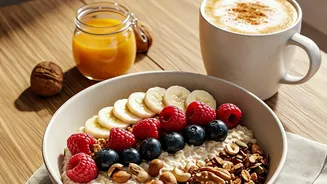
For years, packaged breakfast cereals were marketed as the quick, healthy start to a busy day. Their arrival in India in the mid-1990s was met with curiosity, promising a westernised, convenient alternative to traditional cooking. However, the initial
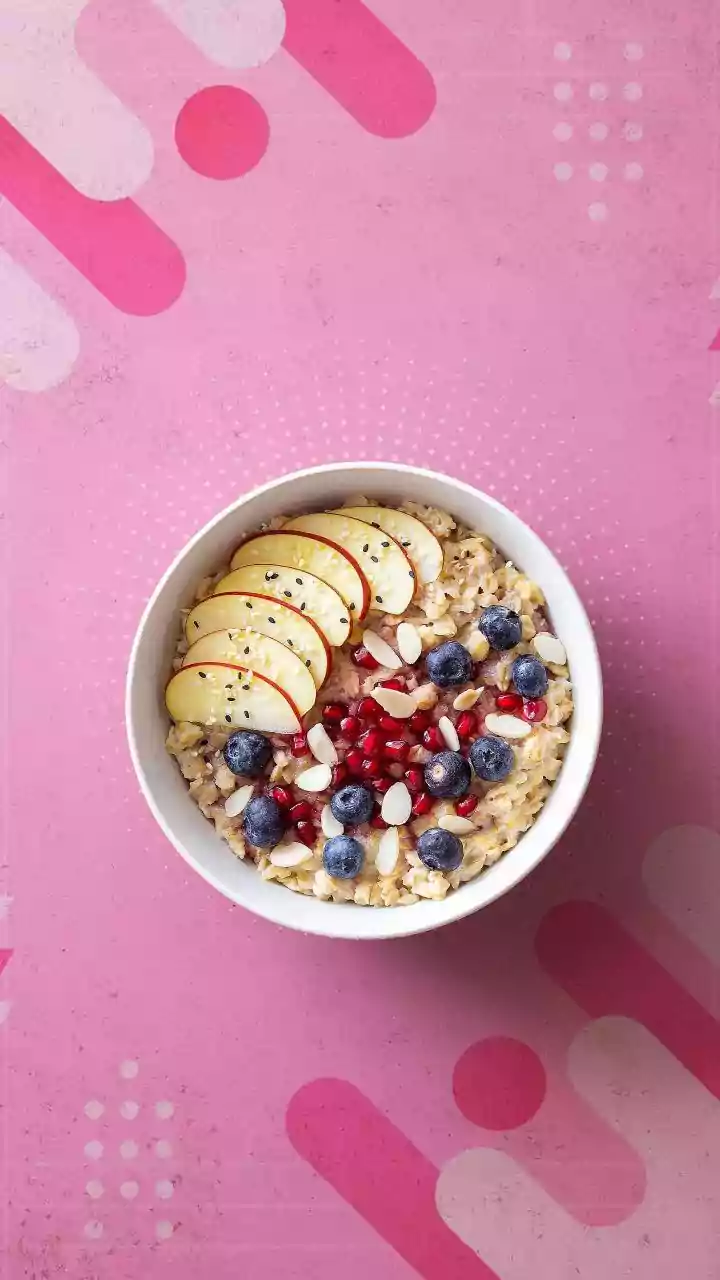
novelty has worn off. Urban consumers are increasingly aware of what’s inside these boxes: high levels of sugar, refined carbohydrates, and preservatives that lead to a quick energy spike followed by a crash. Major brands have seen slower growth as consumers become more discerning, questioning whether a bowl of cold, sweetened flakes truly fits a healthy lifestyle. The struggle for these global brands has been to adapt to the Indian palate, which traditionally prefers warm, savoury, and freshly prepared morning meals.
The Millet Renaissance
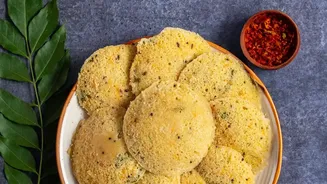
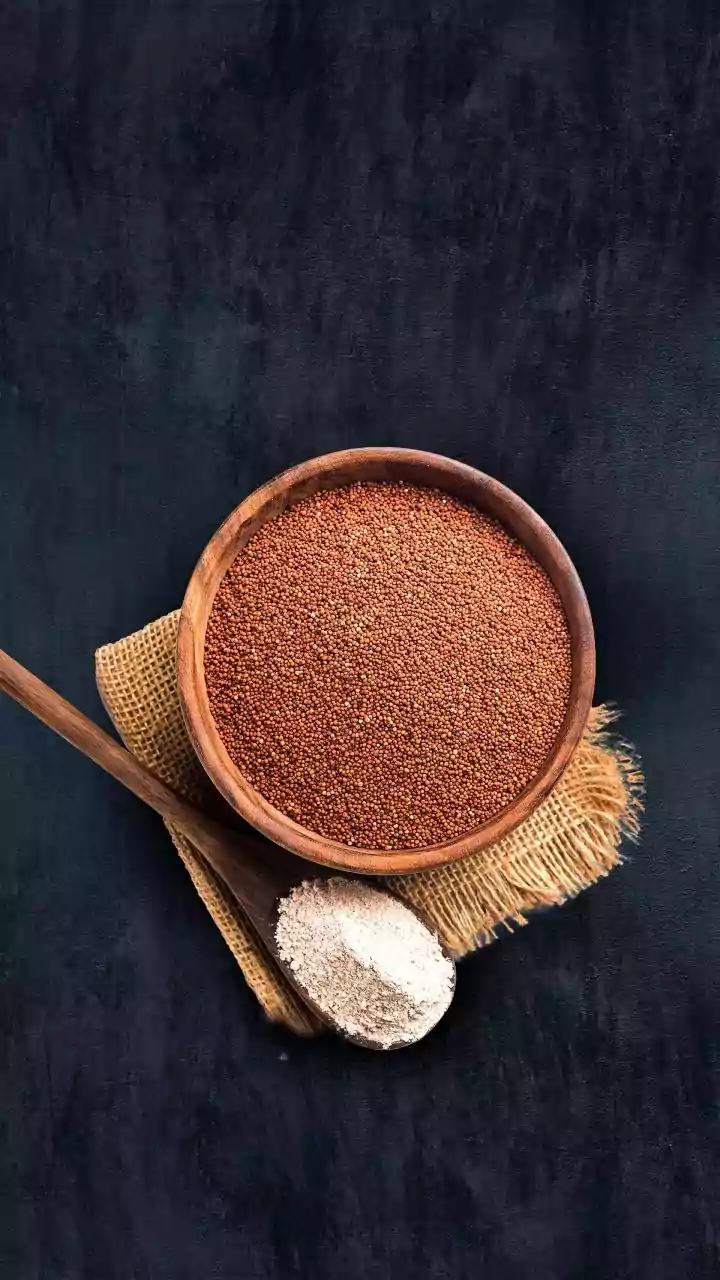
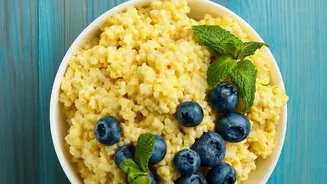
At the heart of this breakfast revival is the humble millet. Grains like jowar, bajra, and ragi are making a powerful comeback, championed as 'superfoods'. Once staples in Indian diets before being overshadowed by rice and wheat, millets are now celebrated for their impressive nutritional profile. They are naturally gluten-free, rich in protein and dietary fibre, and have a low glycemic index, which means they release energy slowly and keep you feeling full longer. This makes them ideal for managing blood sugar levels and weight. The resurgence is also fueled by a push for sustainable agriculture, as millets are hardy crops that require less water, making them an environmentally resilient choice.
Idli and Appam: The New Champions
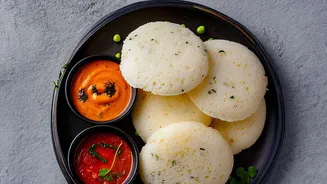
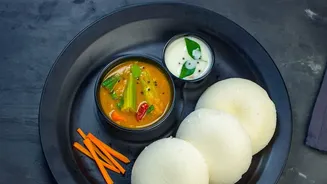
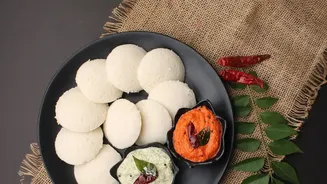
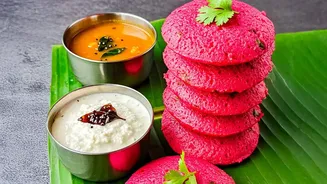
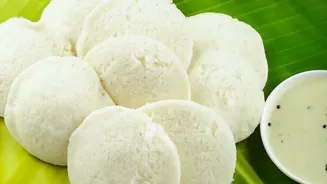
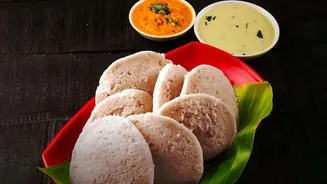
Steamed, fermented, and light on the stomach, idlis and appams are perfectly positioned to lead this culinary charge. These South Indian classics have a history stretching back over a thousand years. Traditionally made with rice and lentils, they are now frequently prepared with millet batter, boosting their health quotient even further. A single steamed millet idli is a powerhouse of balanced nutrition, offering complex carbohydrates, plant-based protein, and essential minerals with very little fat. Appams, the delicate, bowl-shaped pancakes made from a fermented batter of rice and coconut milk, offer a similarly light yet satisfying experience. The fermentation process in both dishes not only gives them their unique texture and tangy flavour but also increases the bioavailability of nutrients, making them easy to digest and beneficial for gut health.
Tradition Meets Modern Convenience
This breakfast shift is not about a return to time-consuming kitchen labour. Instead, it’s a story of smart adaptation. The urban ecosystem has responded with a boom in services that make traditional breakfasts accessible for hectic lifestyles. Ready-to-cook batters for idli and appam, often featuring millet blends, are now widely available in supermarkets and through delivery apps. Health-focused brands are innovating with products that offer authentic taste without compromising on nutrition. This fusion of tradition and convenience allows people to enjoy a wholesome, freshly made breakfast without the lengthy preparation, making it a practical choice for a busy weekday morning.
More Than Just a Meal
Choosing a millet idli over a bowl of cornflakes is more than a dietary decision; it’s a cultural statement. For many, it’s a way to reconnect with their culinary heritage and embrace a food philosophy that values fresh, local, and minimally processed ingredients. This trend reflects a broader movement towards mindful eating, where consumers are more conscious of the source of their food and its impact on their health and the environment. As people seek authenticity and wellness, traditional Indian breakfasts are no longer seen as old-fashioned but as timeless, intelligent solutions for modern living.