





The festive season often brings pressure to dress in heavy, elaborate attire that is worn once and then forgotten. But a shift towards mindful, minimal style offers a liberating alternative that is both chic and refreshingly easy.
The Case for 'Less is More'
For years, festive dressing
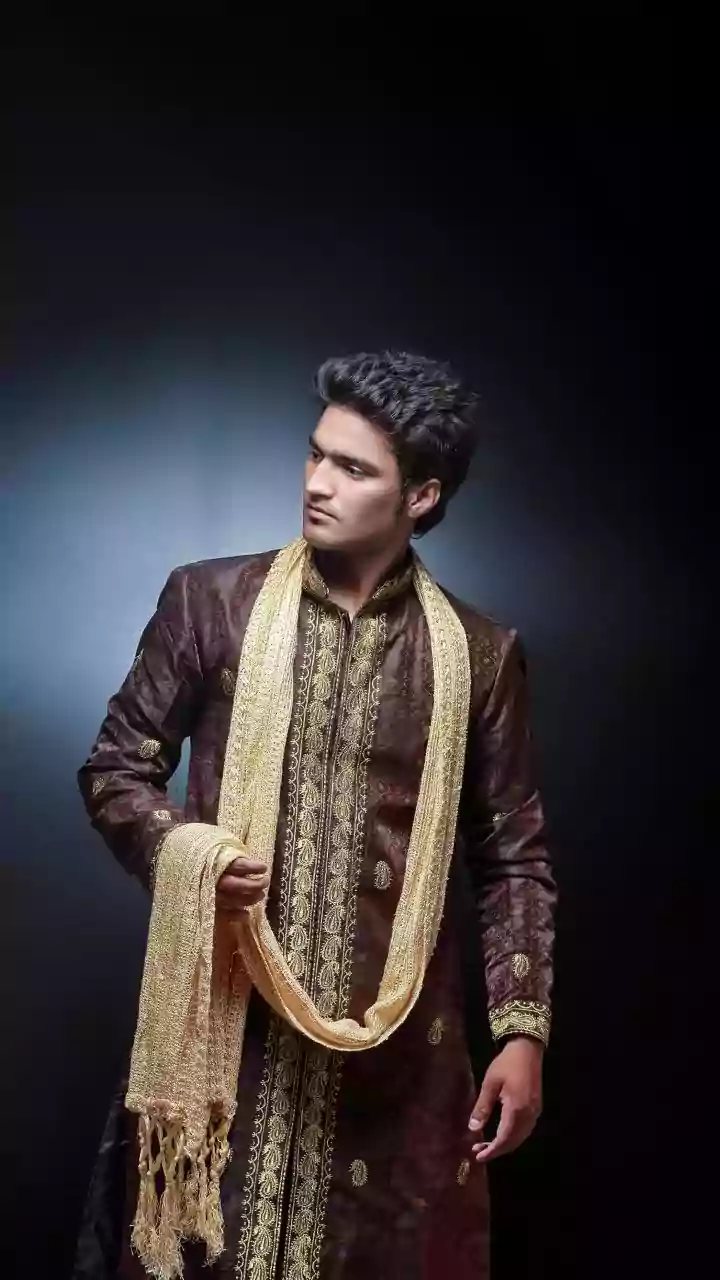
in India has been synonymous with 'more'—more embroidery, more weight, more bling. While beautiful, these elaborate outfits often come with a high cost, both financially and environmentally. Many are made from synthetic materials and are designed for a single occasion, contributing to fashion waste. This has led a growing number of style-conscious individuals to seek alternatives that are not only elegant but also sustainable and practical. The minimalist trend is less about austerity and more about conscious choices. It’s a move towards investing in high-quality, versatile pieces that can be loved and worn for years. This approach champions comfort and personal style over the fleeting pressure of heavy glamour, allowing for more movement and enjoyment during celebrations.
Focus on Fabric and Silhouette
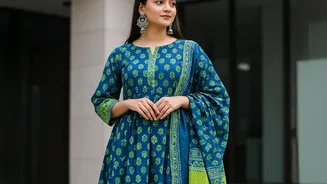
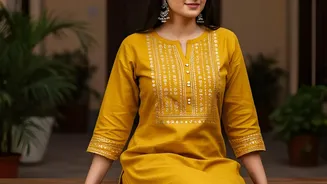
The secret to a standout minimal festive look lies in the choice of fabric and the elegance of the cut. Instead of relying on heavy embellishments, let the material do the talking. Fabrics with a natural richness and texture, like Chanderi, silk blends, organza, and even high-quality handloom cottons, look inherently luxurious. These materials drape beautifully and feel comfortable against the skin. The silhouette is equally important. Clean, classic cuts such as straight-cut kurtas with palazzo pants, minimalist sarees with thin borders, or a gracefully flared Anarkali can make a powerful statement. The beauty of this approach is that a well-cut garment in a beautiful fabric looks polished and put-together without needing much else.
Embracing Handloom Heritage
One of the most sustainable and stylish ways to adopt festive minimalism is by embracing India's rich handloom heritage. Handwoven textiles like Jamdani, Ikat, or Banarasi silk offer timeless appeal and support artisan communities. A handloom cotton saree, for instance, is breathable and perfect for daytime events, while a Tussar silk piece provides an earthy, understated elegance. These fabrics tell a story of craftsmanship and tradition. They can be styled for formal pujas or intimate family gatherings, offering a versatility that heavily embellished outfits often lack. Choosing handloom is a way to wear a piece of art that is both beautiful and eco-friendly.
The Art of Intentional Accessorising
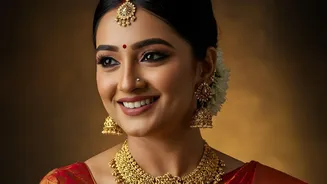
A minimal outfit provides the perfect canvas for standout accessories. This is where you can inject personality and a festive spirit without overwhelming your look. The key is to be intentional. Instead of piling on jewellery, choose one or two statement pieces. A simple silk kurta can be instantly elevated with a pair of striking jhumkas or a bold necklace. An embroidered potli bag or a pair of embellished juttis can add a pop of festive charm to a monochrome suit. Accessories made from recycled or repurposed materials can also complement a sustainable outfit beautifully. This 'less is more' approach to accessorising ensures your chosen pieces shine, enhancing your outfit rather than competing with it.
Building a Versatile Festive Wardrobe
The ultimate benefit of minimalist festive dressing is its sustainability through re-wearability. Instead of buying a new, trend-driven outfit for every occasion, you can build a small capsule of versatile pieces. A classic saree, a well-tailored kurta set, and elegant separates like wide-leg trousers or a silk skirt can be mixed and matched. A simple Anarkali can be worn with a heavy dupatta for a wedding and with a light scarf for a smaller pooja. This approach not only saves money and closet space but also reduces your environmental footprint. It shifts the focus from disposable trends to timeless style, proving that dressing for celebrations can be both glamorous and guilt-free.