

A Planet of Drastic Seasons
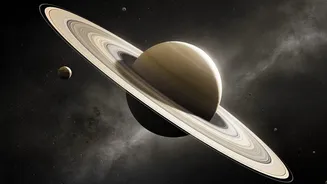
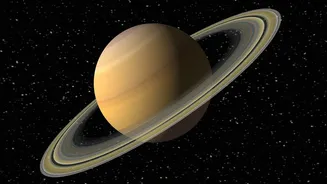
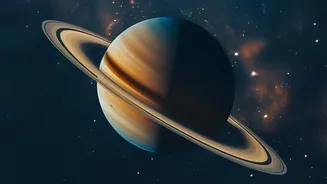
Just like Earth, Saturn has seasons, but on a much grander scale. A single Saturnian year lasts about 29.5 Earth years, meaning each season is over seven years long. For nearly 15 years at a time, one of its poles is plunged into the darkness of winter,
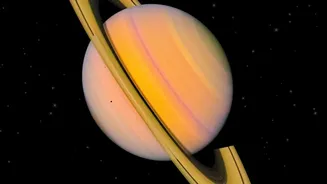
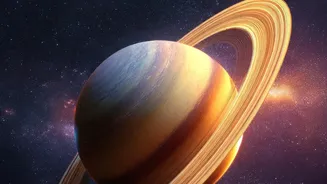
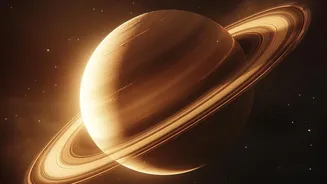
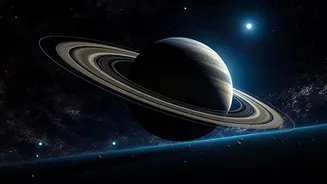
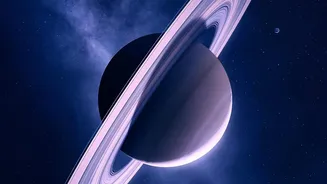
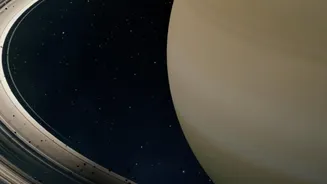
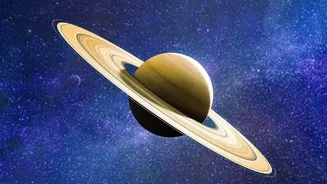
while the other enjoys constant sunlight. But unlike Earth, Saturn has another major factor influencing its climate: its own spectacular rings. These rings, composed of countless particles of ice and rock, cast immense shadows that move across the planet’s face as the seasons change, dramatically altering the amount of sunlight that reaches the atmosphere. This celestial shadow play creates a unique natural laboratory for studying how a gas giant's atmosphere responds to changes in energy.
The Power of Infrared
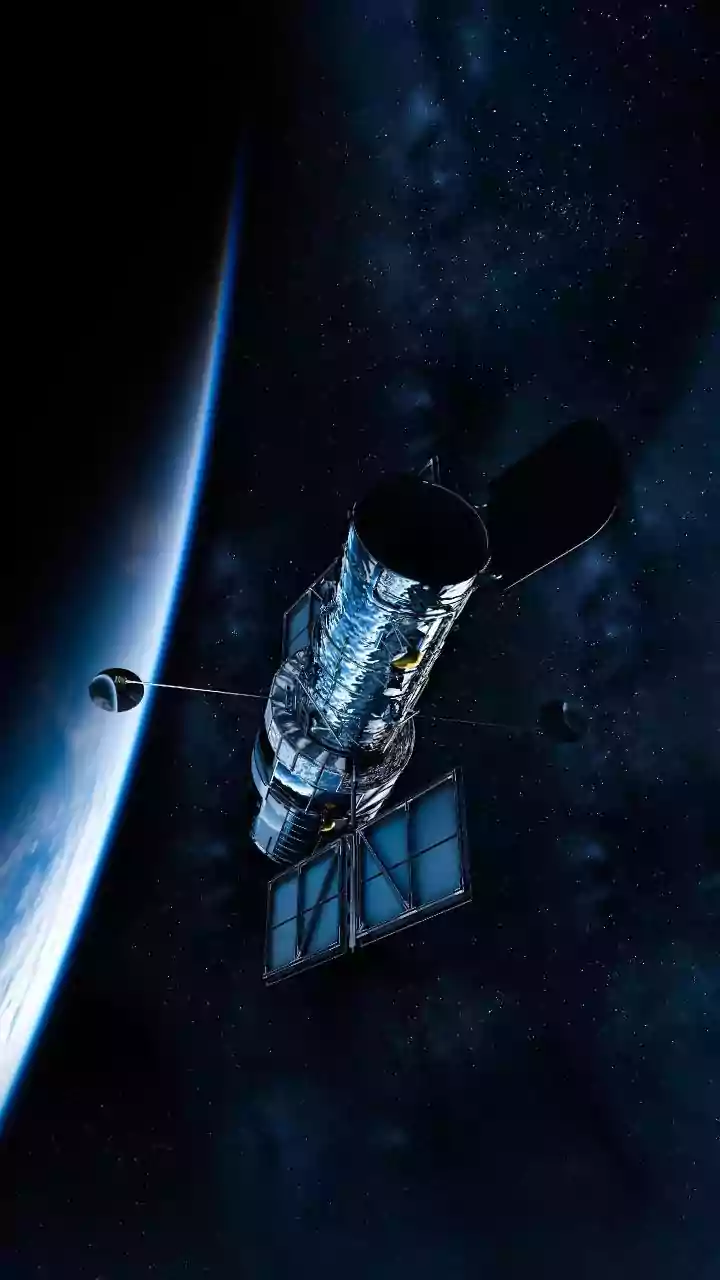
To understand these changes, scientists are turning to the power of infrared light. Telescopes like the James Webb Space Telescope (JWST) can detect heat, allowing them to see temperature variations that are invisible in normal light. In recent observations, Saturn appears unusually dark in the infrared because methane gas in its atmosphere absorbs most of the incoming sunlight. Its icy rings, however, remain bright, creating a stark and beautiful contrast. By observing in these wavelengths, astronomers can effectively peel back the layers of Saturn's atmosphere, measuring the temperatures and chemical compositions at different depths to track how the planet is reacting to its long and shifting seasons.
Shadows Driving Change
The latest observations have confirmed that the ring shadows have a profound and rapid impact. As the northern hemisphere of Saturn moves from its long summer towards its autumn equinox in 2025, scientists have witnessed significant cooling trends. Data from JWST, complementing earlier findings from the Cassini mission, revealed a complete reversal of massive airflow patterns in the stratosphere compared to what was seen during the northern winter. Essentially, as parts of the atmosphere emerge from the long, cold shade of the rings, they warm up quickly. Conversely, areas that fall into shadow cool down, triggering dynamic shifts in atmospheric circulation and chemistry. This shadow-driven cooling can even affect the planet’s ionosphere, the electrically charged upper layer of the atmosphere.
Mysterious New Features
The high sensitivity of the JWST has also revealed completely unexpected phenomena in Saturn's upper atmosphere. Recent infrared studies uncovered bizarre, bead-like structures within the planet's auroral rings and a strange, lopsided four-armed star pattern in the stratosphere, hundreds of kilometers below. These features, never seen on any other planet, were a complete surprise to researchers, who had expected to see broad bands of emissions. The alignment between some of the dark beads in the ionosphere and the arms of the star pattern below suggests they might be vertically connected, forming a huge column of atmospheric activity that could even be linked to the famous hexagonal storm deeper in Saturn's clouds. At present, these newly discovered features remain entirely unexplained.
Understanding Worlds Near and Far
Studying Saturn's seasons is about more than just understanding one planet. The processes happening there provide crucial insights into the workings of all gas giants, including our own neighbour, Jupiter. The data helps scientists refine their models of planetary atmospheres, which is essential for understanding the thousands of exoplanets discovered orbiting distant stars. By watching how Saturn’s atmosphere churns and changes in response to the simple blocking of sunlight by its rings, we learn fundamental principles of atmospheric physics that apply across the cosmos. It’s a powerful reminder that even familiar celestial bodies can hold profound new discoveries, waiting for the right tools to bring them to light.