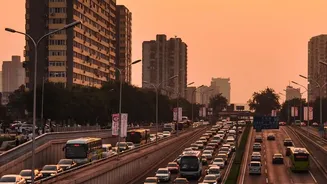







The dream is a familiar one: a large, spacious home with a garden, fresh air, and ample room for your family to grow. But this dream often comes with a hidden cost—a long, draining daily commute that can slowly erode the very joy that space was meant
to provide.
The Allure of More Square Feet
For years, the ultimate aspiration for many urban Indian families has been to escape the cramped confines of the city for a sprawling property in the suburbs. Post-pandemic, this desire intensified. As homes transformed into offices and classrooms, space became the ultimate luxury. People began prioritising larger layouts, balconies, and dedicated home offices over central pin codes. Suburban areas and the peripheral zones of major cities saw a surge in interest from buyers willing to trade location for liveability. The promise is clear: better air quality, a quieter environment, and significantly more space for your money. This move represents a deliberate shift towards a lifestyle focused on comfort, wellness, and long-term family well-being.
When the Dream Meets a Traffic Jam
The initial euphoria of a new, large home can quickly fade when confronted with the daily reality of a long commute. That one-hour journey can easily stretch to ninety minutes or more, eating into precious time. Research consistently shows that long commutes are linked to increased stress, anxiety, fatigue, and even a higher risk of depression. The daily grind of navigating traffic or crowded public transport leaves you drained before your workday even begins and exhausted by the time you get home. Suddenly, the beautiful, spacious house doesn't feel like a sanctuary but a distant destination at the end of an arduous journey. The time you hoped to spend with family or on hobbies is instead spent staring at the back of a bus.
The Hidden Costs of Commuting
The trade-off isn't just about time; it's also about money. While the property itself may be more affordable, the costs associated with a long commute can add up significantly. These include obvious expenses like fuel, vehicle maintenance, and public transport fares. But there are also less tangible financial impacts. The monetary value of your lost time is a critical factor. If you spend two hours a day commuting, that's roughly ten hours a week or over 500 hours a year that could have been spent on professional development, a side hustle, or simply resting. This 'time tax' can erode the financial benefits of a cheaper property over the long run.
The Hybrid Work Reshuffle
The rise of remote and hybrid work models has been a game changer in this equation. For those who only need to be in the office two or three days a week, a longer commute becomes far more manageable. This flexibility has empowered many to make the move to more spacious homes farther from city centres without the daily penalty. It has made suburban living a more viable and attractive option, allowing families to get the space they crave while still maintaining a connection to their workplace. However, with many companies calling employees back to the office, it's crucial to assess the long term stability of your remote work arrangement before making a major property decision.
Finding Your Perfect Balance
Ultimately, the choice between space and commute is deeply personal. There is no one size fits all answer. Before making a decision, it's essential to have an honest conversation with yourself and your family. How much time are you truly willing to sacrifice each day? What is the real value of an extra bedroom versus an extra hour with your children? Track your potential commute for a week to understand the reality of the journey. Consider the full financial picture, including all travel related costs. Think about your career trajectory and whether a flexible work arrangement is likely to be permanent. Sometimes, a smaller home in a more convenient location offers a different kind of luxury: the luxury of time.