



More Than Just Packing Snacks
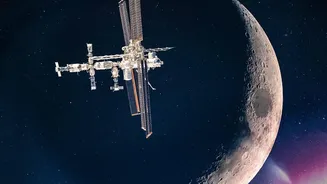
Feeding astronauts on the International Space Station (ISS) is relatively straightforward. With regular resupply missions, they have access to a variety of pre-packaged meals, and even occasional fresh fruit. But a mission to Mars is a different beast
entirely. A round trip could take nearly three years, with no chance for a grocery run. Packing enough food for a small crew would require tons of cargo, a significant challenge when every kilogram is incredibly expensive to launch. Furthermore, the pre-packaged meals that work for months-long stints on the ISS simply aren't designed to last for years. Over time, crucial vitamins like A, C, and D degrade, leaving the food less nutritious. Relying solely on stored food for a Mars mission would mean astronauts might not get the nutrients they need to stay healthy millions of miles from home.
The Toll of Space on the Body
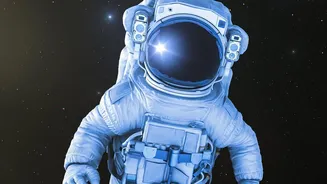
The human body changes in space, and so do its nutritional needs. The microgravity environment is a major stressor, leading to a host of physiological shifts. Without the constant pull of gravity, astronauts experience bone density loss and muscle atrophy. To combat this, they require a higher intake of nutrients like calcium and vitamin D. However, the body's ability to produce vitamin D naturally is hampered by the lack of UV light inside a spacecraft. Spaceflight also affects the gut microbiome, the community of bacteria essential for digestion and nutrient absorption. This can lead to gastrointestinal issues and further complicate an astronaut's ability to get what they need from their food. Even the sense of taste and smell can change, as fluid shifts cause congestion, often leading astronauts to prefer spicier, more intensely flavoured foods.
The Psychology of a Good Meal
Food is more than just fuel; it's a source of comfort, culture, and connection. On a long, arduous mission in a confined environment, the psychological role of food becomes critical. The monotony of eating the same limited menu for years can lead to 'menu fatigue', where astronauts lose their appetite and fail to consume enough calories. This isn't just about being bored with the options; it can result in weight loss and nutritional deficiencies. The simple act of sharing a meal can be a vital social ritual that boosts crew morale. Providing food that is not only nutritious but also varied, familiar, and palatable is a key challenge. Astronauts consistently report craving fresh, crunchy vegetables and familiar comfort foods, highlighting the importance of a diet that supports mental as well as physical health.
A Garden at the Final Frontier
The most promising solution to these challenges is to turn astronauts into farmers. Growing fresh food in space would provide a renewable source of essential nutrients, supplement pre-packaged meals, and offer a significant psychological boost. NASA has already made strides in this area, successfully cultivating crops like lettuce, chili peppers, and tomatoes aboard the ISS. Researchers are developing advanced life support systems that use hydroponics and aeroponics to grow plants without soil. They are also studying how to use resources found on the Moon or Mars, like regolith, as a growth medium. Looking ahead, scientists are exploring everything from genetically engineered fruit trees that can produce continuously to 3D printing custom meals from nutrient-rich powders. These innovations are paving the way for a self-sustaining food system that can support human life far from Earth.