







Why Are Fuel Prices Climbing Again?
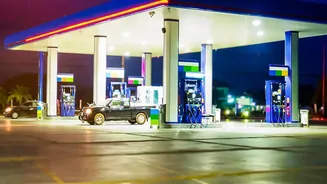
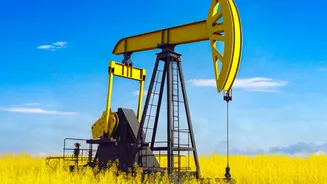
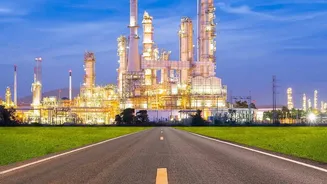
The primary reason for the recent spike in petrol and diesel prices is the sustained surge in global crude oil costs. India imports over 85% of its crude oil, making its domestic fuel market highly sensitive to international developments. Recent geopolitical
tensions in West Asia, particularly conflicts impacting the Strait of Hormuz, have disrupted global supply chains and driven crude oil prices above the $100 per barrel mark. For months, state-run oil marketing companies (OMCs) absorbed these rising costs to shield consumers, but this became financially unsustainable, leading them to pass on the price increases. On top of the base price, the final retail cost you pay includes central government excise duties and state-level Value Added Tax (VAT), which vary significantly from one state to another, causing differences in prices across cities like Delhi, Mumbai, and Chennai.
The Ripple Effect on Your Wallet
The impact of rising fuel prices extends far beyond your personal vehicle. Diesel is the lifeblood of Indian logistics, powering the trucks that transport everything from fresh produce to consumer goods. When diesel gets more expensive, so does transportation, leading to a cascading effect on the prices of groceries, daily essentials, and almost everything you buy. A recent survey showed that a majority of Indian households have already felt this pinch, reporting higher costs for products and services directly linked to fuel price hikes. This inflationary pressure means your household budget is stretched thinner, as the cost of living rises in tandem with the cost of fuel.
Smarter Driving to Save Fuel
While you can't control global oil markets, you can adopt smarter driving habits to improve your vehicle's mileage and reduce fuel consumption. Start with the basics: ensure your tyres are inflated to the correct pressure, as underinflated tyres increase resistance and burn more fuel. Practice smooth driving by avoiding sudden acceleration and hard braking. Maintain a steady speed, as frequent speed changes waste fuel. Furthermore, reduce your car's weight by removing unnecessary items from the boot. Limit the use of the air conditioner, as it puts a significant load on the engine, increasing fuel consumption. Simple habits like turning off the engine at signals longer than a minute can also add up to significant savings over time.
How Travellers Can Mitigate Costs
For travellers, rising oil prices translate directly into more expensive flights and higher costs for taxis and buses. Airlines are facing increased prices for Aviation Turbine Fuel (ATF), leading them to raise fares through fuel surcharges. To combat this, planning is key. Booking flights and trains well in advance can help you secure lower prices before they escalate. Consider shifting travel plans to off-peak seasons if possible. For shorter distances, opting for the train over a flight can be a more economical choice. Exploring public transportation options within cities instead of relying solely on cabs can also drastically cut down your travel budget. In response to the high costs, some travellers are also shifting their preferences from international destinations to domestic or closer Asian locations.
The Rise of Alternative Fuels
The persistent volatility in fuel prices is also accelerating a shift in consumer preferences towards alternative-fuel vehicles. In a significant market trend, recent data from August 2026 showed that sales of vehicles powered by compressed natural gas (CNG), hybrids, and electricity surpassed those of petrol cars for the first time. This shift is driven not only by the desire for lower running costs but also by the growing availability of alternative models and an expanding charging infrastructure for electric vehicles (EVs). While the upfront cost can be higher, the long-term savings on fuel are prompting more Indian buyers to consider making the switch, signaling a potential long-term change in the nation's automotive landscape.