



A Nutritional Powerhouse on Your Plate
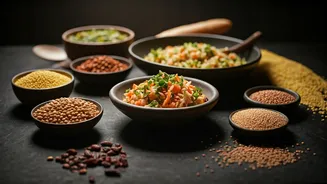
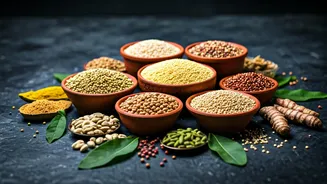
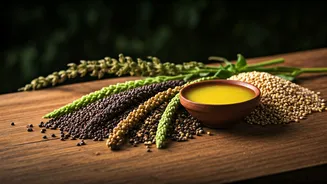
Let’s start with the obvious: ragi, or finger millet, is incredibly good for you. While many of us know it as a ‘healthy’ option, the specifics are truly impressive. Unlike polished rice or refined wheat, ragi is a nutritional powerhouse. It is one of the richest
plant-based sources of calcium, crucial for bone health and particularly beneficial for children and older adults. It’s also packed with iron, helping to combat anaemia, and loaded with dietary fibre. This high fibre content does more than just aid digestion; it creates a feeling of fullness, which can help with weight management. Furthermore, ragi has a low glycemic index, meaning it releases sugar into the bloodstream slowly. This makes it an excellent choice for individuals managing diabetes, as it helps prevent sharp spikes in blood sugar levels. And for the growing number of people with gluten sensitivity or celiac disease, ragi is a naturally gluten-free grain, making it a safe and nutritious alternative.
A Taste of Ancient Indian History
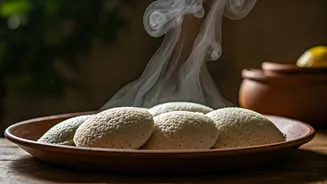
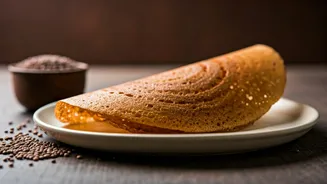
The ragi on your plate has a history that stretches back thousands of years. Finger millet is not a modern health fad; it is one of India’s oldest cultivated crops, with archaeological evidence suggesting its presence in the subcontinent for over 4,000 years. It was a staple food across large parts of Southern India and parts of the Himalayas long before rice and wheat became dominant. Why? Because ragi is a farmer’s friend. It is an incredibly hardy, drought-resistant crop that can grow in poor soil and with minimal water. For generations of farmers, it was a source of guaranteed sustenance, a security crop that would not fail even when the monsoons were unreliable. When you eat a ragi dosa, you are not just eating a healthy meal; you are partaking in a culinary tradition that is deeply connected to the agricultural heritage and resilience of India. It’s a taste of the land itself, a food that has sustained our ancestors through thick and thin.
Beyond the Breakfast Plate
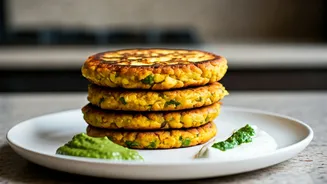
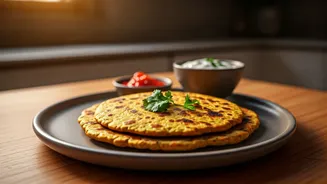
Confining the ragi dosa to the breakfast menu is like using a smartphone only to make calls. Its versatility is one of its greatest strengths. The earthy, slightly nutty flavour of ragi pairs beautifully with a wide array of accompaniments, moving it far beyond the standard sambar and chutney. Try it with a spicy tomato-onion chutney (thakkali chutney) or a fiery Andhra-style peanut chutney. The robust flavour can even stand up to chicken or mutton curry, making it a fantastic base for a light yet satisfying dinner. Instant ragi dosa mixes make it possible to whip up a quick and healthy evening ‘tiffin’ for children after they come home from school. You can also get creative with the batter itself by adding finely chopped onions, green chillies, coriander, or even grated carrots to transform it into a savoury crepe-like meal. It’s a canvas for your culinary creativity, perfect for any time of day when you need something quick, nutritious, and delicious.
The Comeback Grain for Modern Wellness
In a world of processed foods and lifestyle diseases, ragi is making a major comeback. This ancient grain is perfectly suited to the demands of the modern, health-conscious Indian. Nutritionists recommend it, chefs are experimenting with it in gourmet kitchens, and families are rediscovering its benefits. From ragi porridge for babies (a traditional first food) to sophisticated ragi-based pastas and baked goods, finger millet is being embraced by a new generation. Its combination of being nutrient-dense, gluten-free, and diabetic-friendly makes it a 'superfood' that isn't imported or expensive—it's homegrown. This revival is a powerful reminder that sometimes the best solutions to modern problems can be found by looking back to our own traditions and embracing the wisdom embedded in our food culture. The humble ragi dosa is at the forefront of this movement, a simple dish leading a big change in how we think about eating well.