




A New Kind of Kitchen Companion
For generations, the secrets to a perfect dal or a fluffy biryani were held in handwritten notes and the muscle memory of mothers and grandmothers. Today, a new assistant is entering the Indian kitchen: artificial intelligence. Home cooks are increasingly
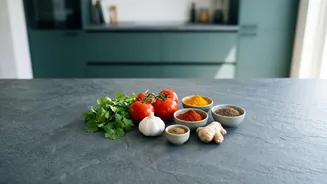
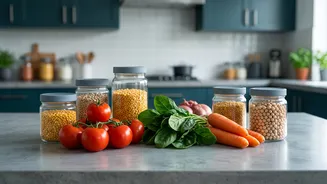
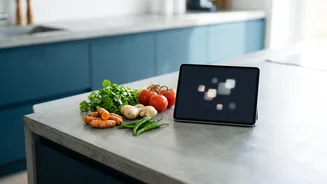
turning to AI-powered apps and chatbots not as a replacement for their intuition, but as a creative partner. These tools, like CookGPT or VegAI, act as virtual sous-chefs, capable of generating recipes, suggesting ingredient substitutions, and even planning meals based on what’s already in the pantry. This shift is driven by a desire for convenience in fast-paced urban lives and a growing curiosity to experiment with food. Apps can take a simple query about available ingredients—say, potatoes, tomatoes, and some leftover paneer—and instantly suggest a novel dish, saving time and reducing food waste.
Reimagining Traditional Flavours
The most exciting aspect of this trend is the emergence of AI-driven culinary fusion. While Indian fusion food isn't new, AI is accelerating the creative process, suggesting combinations that a human cook might never consider. Reports have highlighted a wave of inventive dishes being explored by home cooks, such as Gulab Jamun Cheesecake, Paneer Tikka Tacos, and Butter Chicken Pizza. Another surprising creation making the rounds is Curry Leaf Pesto Pasta, which marries the earthy aroma of South India with a classic Italian sauce. These tools are essentially vast databases of global culinary knowledge. They can analyze the flavour profiles of disparate cuisines and find surprising points of connection, empowering home cooks to create restaurant-quality fusion dishes in their own homes without fear of failure. The kitchen is becoming a safer space for experimentation.
More Than Just a Recipe Book
The role of AI in the Indian kitchen extends far beyond just generating new recipes. It is becoming an all-encompassing culinary guide. Smart appliances, like AI-powered refrigerators and ovens, are helping to streamline the entire cooking process. Some fridges can track food inventory and suggest recipes to use up items before they expire, directly addressing the issue of food waste. AI is also making cooking more accessible. For those with dietary restrictions, these tools can instantly modify a traditional recipe to be vegan, gluten-free, or low-fat, automatically adjusting the cooking instructions and nutritional information. Furthermore, AI assistants can help with complex meal planning for families with diverse needs, from high-protein diets for fitness enthusiasts to specific Jain preparations.
A Bridge Between Tradition and Modernity
Naturally, the introduction of technology into such a culturally significant space raises questions. Is AI a threat to the authenticity of recipes passed down through generations? Some experienced cooks express caution, noting that AI can sometimes generate incorrect information about regional cuisines and lacks the nuanced understanding of a human chef. They see it as a tool for brainstorming rather than a definitive source. However, many others see it as a bridge, not a bulldozer. AI can help preserve heritage by making complex, traditional recipes more approachable for a new generation of cooks who may not have had the chance to learn directly from their elders. Some platforms even allow users to upload their own family recipes, ensuring their preservation while using AI to streamline laborious steps like grinding masalas or kneading dough.