



The Allure of the Protein Fad
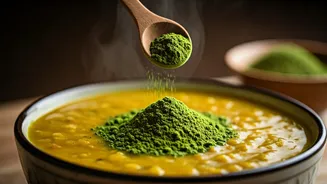
Walk into any gym or scroll through fitness accounts online, and you'll be bombarded with advertisements for protein powders, bars, and shakes. Whey, casein, soy, pea—the options are endless. Marketers have done a masterful job positioning these products
as essential for anyone serious about fitness, weight loss, or even just a 'healthy' lifestyle. They promise convenience: a quick scoop mixed with water is faster than cooking a meal. They promise precision: a label that tells you exactly how many grams of protein you’re consuming. For busy urban professionals and aspiring athletes, the appeal is undeniable. These supplements have become a status symbol, a visible commitment to one's health goals. But this convenience and branding come at a steep price, both financially and, in some ways, nutritionally.
The Protein-per-Rupee Reality Check
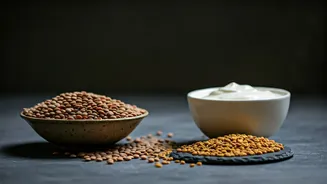
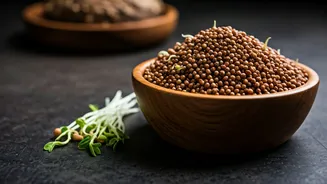
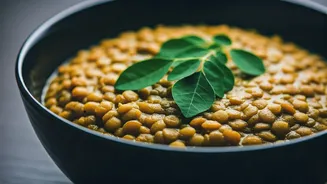
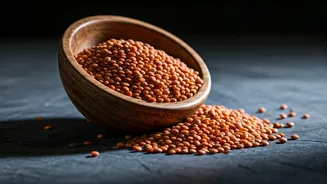
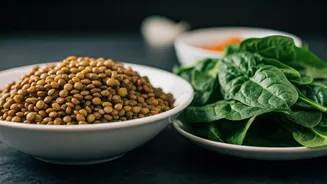
This is where the argument for expensive fads begins to crumble. Let's talk numbers. A popular tub of whey protein concentrate might cost anywhere from ₹2,000 to ₹4,000 for about 1 kg, which provides roughly 30 servings. Each scoop gives you about 24 grams of protein. In contrast, a kilogram of common lentils like masoor or moong dal costs around ₹100-₹150. A 100-gram serving of uncooked lentils provides a similar amount of protein—about 24-25 grams. When you do the math, the cost of getting your protein from lentils is staggeringly lower. You could get the same amount of protein from dal for less than 10% of the cost of a supplement. For the price of one tub of protein powder, you could buy enough dal to meet your protein needs for months, not just weeks. In an era of rising costs, this is not a small detail; it's a game-changer for your household budget.
Nutrition Beyond the Single Macro
Protein supplements are, by design, isolates. They are processed to deliver one thing: protein. In doing so, they strip away many of the other nutrients that make whole foods so valuable. Lentils, on the other hand, are a nutritional powerhouse. That same 100-gram serving that gives you 25 grams of protein also delivers around 15-17 grams of dietary fibre. This is crucial for digestive health, blood sugar regulation, and feeling full and satisfied after a meal—benefits that a protein shake simply can't offer. Furthermore, lentils are packed with essential micronutrients. They are an excellent source of folate, which is vital for cell growth; iron, which prevents anaemia and fatigue; and manganese and phosphorus, which are key for bone health. Protein powders are often fortified with synthetic vitamins, but they cannot replicate the complex, synergistic benefits of consuming nutrients from a whole food source.
The King of Kitchen Versatility
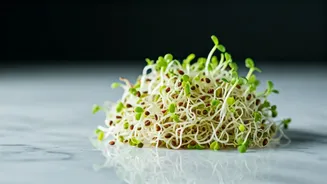
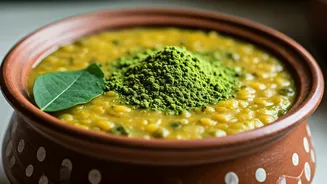
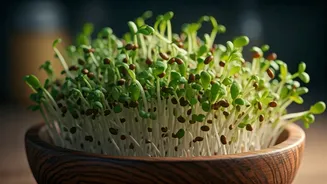
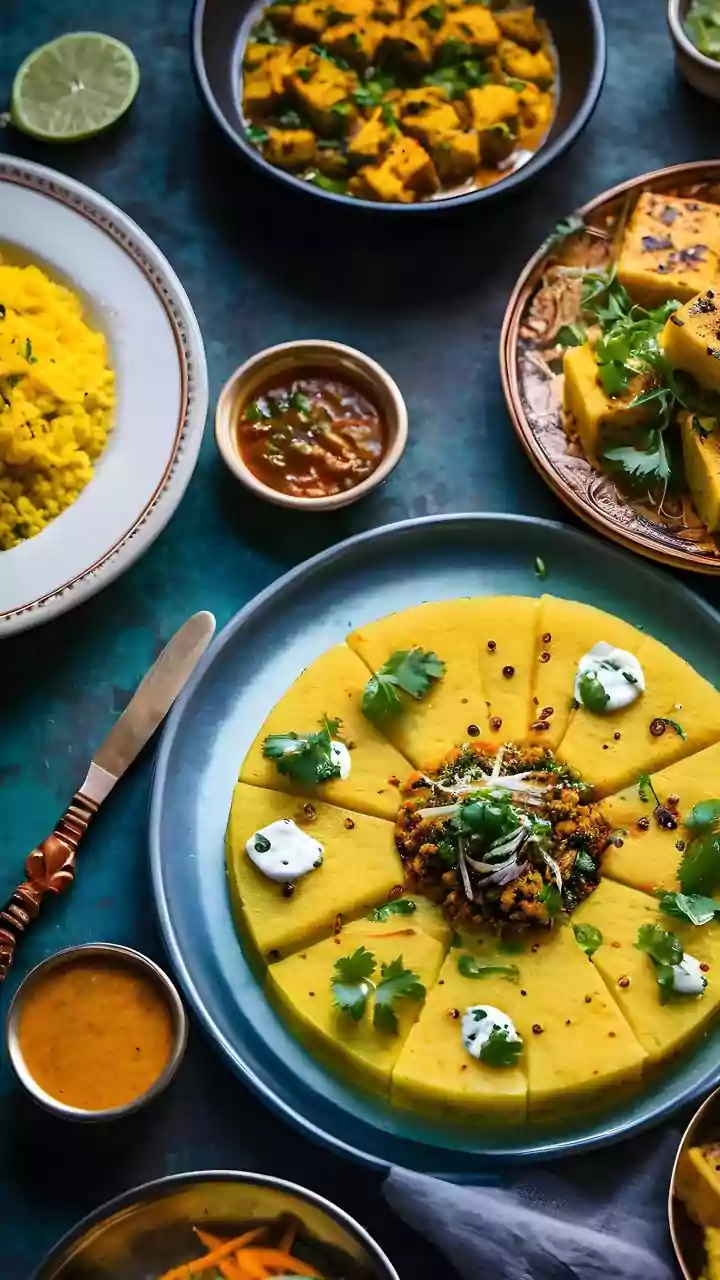
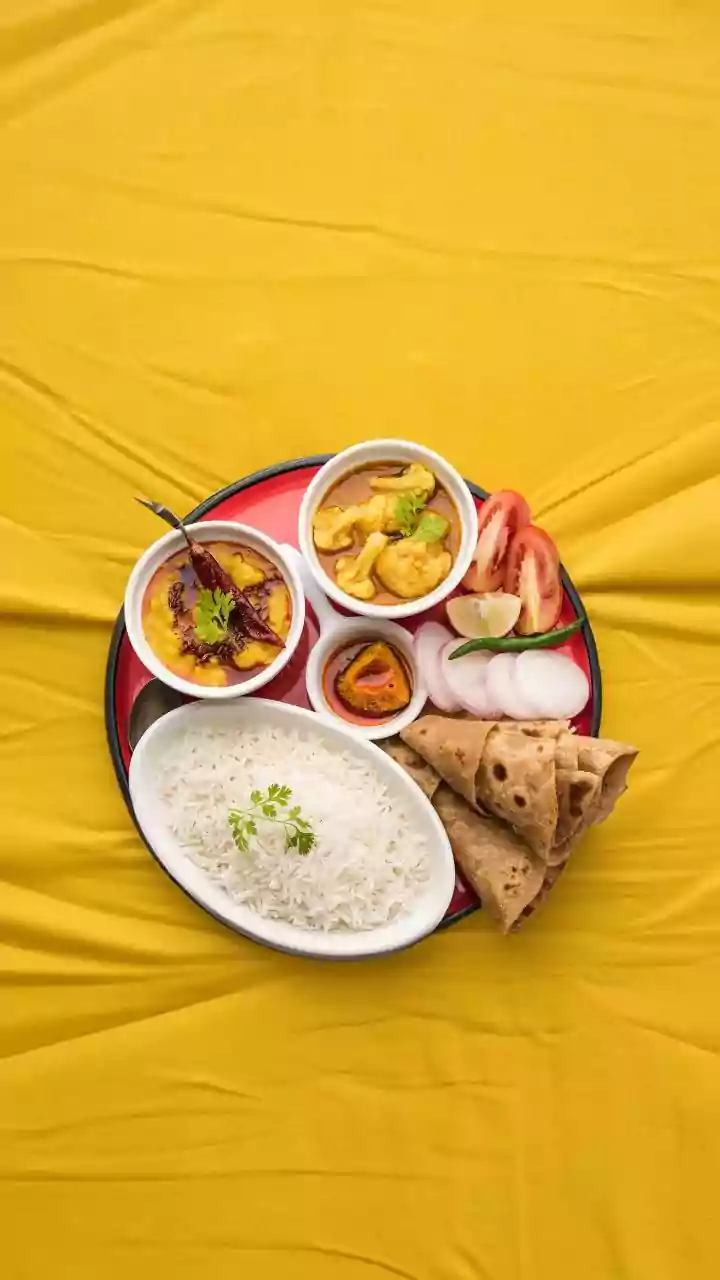
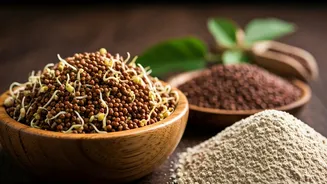
How many ways can you consume protein powder? You can make a shake, or maybe mix it into oatmeal or a pancake batter. Its uses are fundamentally limited. Now, consider the lentil. In the Indian kitchen, its versatility is practically infinite. It is the heart of countless dishes that define our cuisine. It can be the comforting dal tadka served with rice, the hearty sambar paired with idli, the nourishing khichdi for a light meal, or the crispy cheela for a protein-packed breakfast. You can sprout them for salads, grind them into flour for dosas, or add them to soups and stews for body and nutrition. This incredible range means you never have to get bored. You are not just consuming protein; you are enjoying a delicious, culturally rich meal that connects you to generations of culinary wisdom. Lentils are not a supplement to your diet; they are a foundational part of it.
A Sustainable and Sensible Choice
Finally, there's the bigger picture. Lentils are a highly sustainable crop. As legumes, they are nitrogen-fixing plants, which means they enrich the soil they grow in, reducing the need for chemical fertilisers. They are also a relatively drought-resistant crop, making them an environmentally friendly choice, especially in a country facing water challenges. Contrast this with the industrial process of manufacturing protein isolates, which involves significant processing, energy consumption, and packaging. By choosing dals and other pulses, you are not only making a smarter choice for your health and your wallet but also for the planet. The best 'fad' is often the one that has been tried and tested for centuries.