



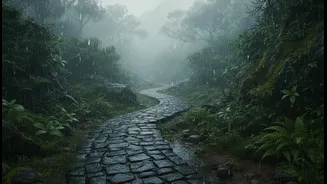


The Shifting Perception of 'Off-Season'
Traditionally, the monsoon months from June to September were considered the lean season for tourism in Kerala's hilly Wayanad district. Heavy rainfall, slippery roads, and the closure of some trekking trails meant most visitors stayed away, waiting for the drier,
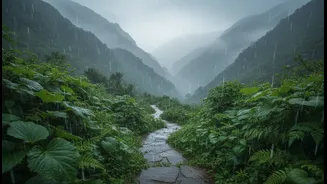
sunnier days of winter. But a cultural shift is underway. What was once seen as a deterrent is now the primary attraction. For a growing number of travellers, the rain, the dramatically green landscapes, and the relative quiet are the entire point. This has led to a welcome, if unexpected, surge in bookings for the region's distinctive estate villas and homestays, turning the conventional tourism calendar on its head.
The Rise of the Slow Traveller
This trend is driven by the philosophy of 'slow travel'. Rejecting the frantic, checklist-driven approach to tourism, slow travel is about connection rather than consumption. It encourages immersing oneself in a single location, understanding the local culture, and prioritising meaningful experiences over a rushed itinerary of sights. The goal isn't to 'do' a place in three days, but to 'be' in a place. This mindset finds a perfect home in India, a country that rewards unhurried exploration. Travellers are increasingly skipping crowded tourist hubs in favour of destinations where they can live like a local, eat authentic food, and disconnect from their hyper-connected lives.
Wayanad: A Monsoon Paradise
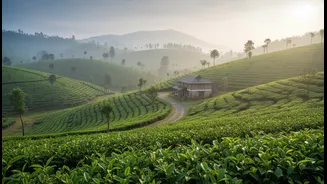
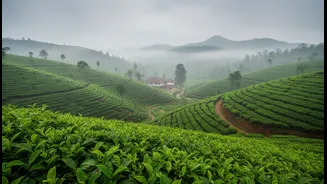
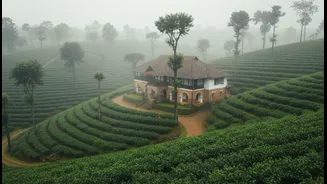
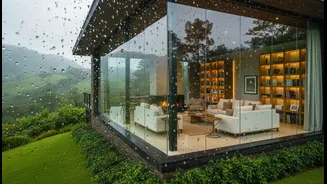
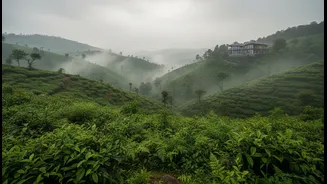
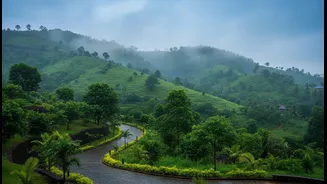
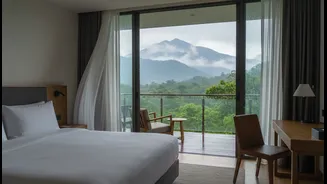
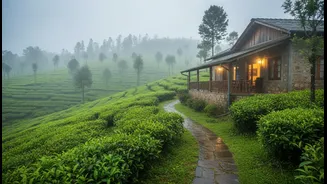
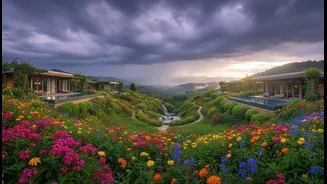
Wayanad, with its unique blend of nature and culture, is ideally suited for this unhurried approach. The monsoon transforms the district into a lush, green paradise. Waterfalls like Soochipara and Meenmutty, which are trickles in the dry season, become thunderous spectacles. The air is cool and fresh, tea and coffee plantations are shrouded in romantic mist, and the backwaters are serene. Estate villas, often set within sprawling plantations, offer the perfect vantage point. They provide privacy, space, and a direct connection to nature, allowing guests to read, write, or simply watch the rain without the pressure to be anywhere else. Fewer crowds mean a more intimate and peaceful experience at attractions like Edakkal Caves and Pookode Lake.
An Economic and Sustainable Win
This off-season boom is a significant economic advantage for local communities. It provides a steadier, more predictable year-round income for villa owners, guides, and small businesses who were previously dependent on the concentrated winter peak. With lower demand comes better value; accommodation, flights, and travel packages are often significantly cheaper during the monsoon. This makes luxury stays more accessible and encourages longer trips. This model of tourism is also more sustainable. It distributes the tourist load throughout the year, reducing the strain on local infrastructure and ecosystems during peak months and fostering a more balanced relationship between visitors and the destination.