





The End of 'Tick-Box' Tourism
For years, vacations were a competitive sport: how many cities could you cram into seven days? This ‘tick-box’ approach, driven by a desire to see every landmark, is losing its appeal. [14] Young Indians, especially millennials and Gen Z, are now leading
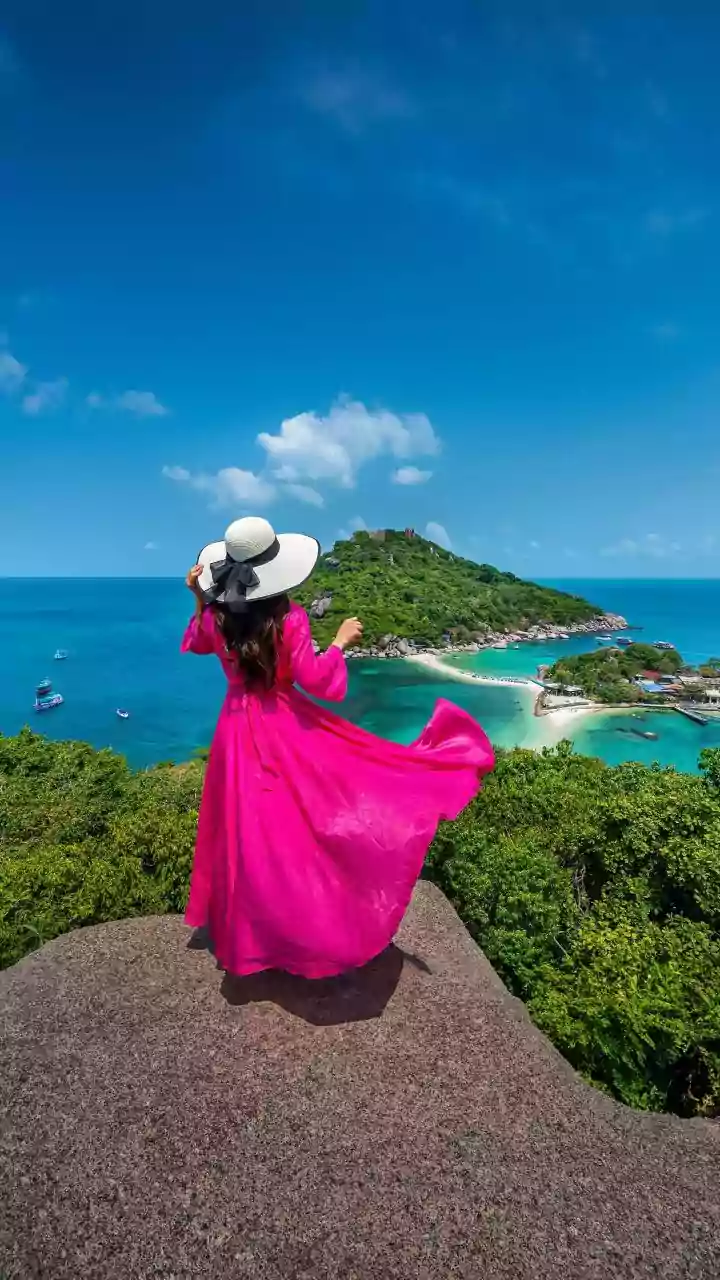
the charge away from these whirlwind tours. [3, 17] The post-pandemic travel boom saw a brief surge in this kind of frantic tourism, but the fatigue has set in. Now, instead of rushing between crowded hotspots, travellers are choosing to spend more quality time in one or two destinations. [10, 14, 16] The goal is no longer to just see a place, but to actually experience it. [13, 15]
From FOMO to JOMO
This shift represents a deeper psychological change, moving from the 'Fear Of Missing Out' (FOMO) to the 'Joy Of Missing Out' (JOMO). The pressure to post a selfie from every popular spot is being replaced by a desire for genuine connection and relaxation. [10] Young professionals, in particular, are looking at travel as a way to manage the stresses of modern urban life. [11, 14] Rather than a frantic escape, holidays are becoming a deliberate act of self-care. This has led to the rise of 'slow travel', where the journey is as important as the destination and immersion in local culture is the ultimate prize. [8, 13, 16] Travellers would rather return with stories and meaningful memories than just a camera roll of photos. [16]
The Rise of Wellness and Slow Living
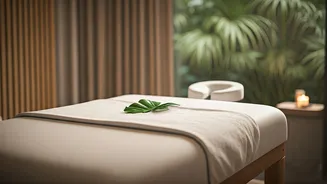
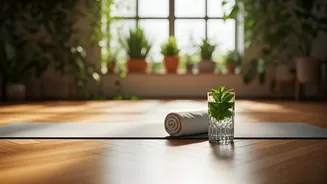
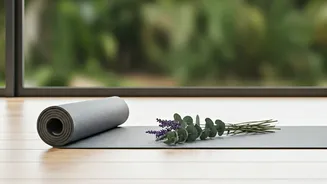
The boom in wellness tourism is a direct reflection of this new mindset. [22] India's rich history in practices like yoga, Ayurveda, and meditation is finding a fresh, young audience. [21, 23] Destinations such as Rishikesh, Kerala, and Coorg are becoming popular for wellness retreats that focus on mental and physical rejuvenation. [18, 24] These aren't just for the spiritually inclined; they attract young professionals seeking a digital detox and a break from burnout. [8, 23, 24] The wellness travel market in India is expanding rapidly, indicating a fundamental shift where vacations are seen as an investment in long-term health and well-being. [21, 25]
What 'Breathing Space' Looks Like
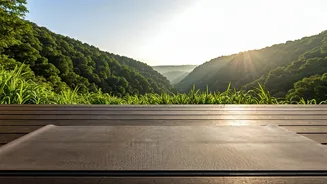
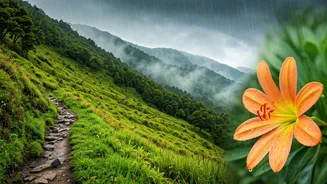
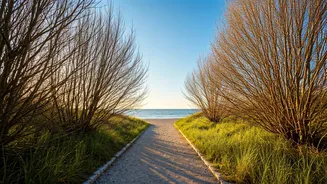
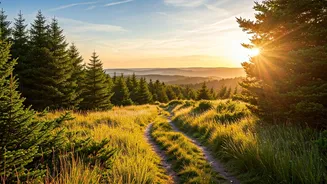
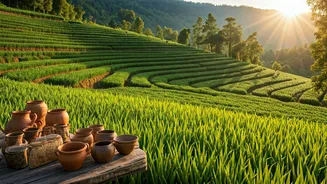
So, what does this new kind of holiday look like in practice? It might be a week-long stay at a homestay in a quiet Himalayan village, far from the crowded hill stations. [10, 16] It could be renting a villa in Goa during the off-season to enjoy the serene beaches without the tourist rush. [8] Or it could be a 'workation' from a coffee plantation in the South, blending productivity with peaceful surroundings. [19] The common thread is a move towards lesser-known, 'offbeat' destinations and a preference for authentic stays over large, impersonal hotels. [5, 10, 19] Travellers are actively choosing places that offer tranquility and a genuine connection to nature and local life. [8, 16]
A New Definition of Luxury
Interestingly, this pursuit of 'breathing space' is also redefining luxury for young Indians. It's no longer just about five-star hotels and opulent services. [2] Today, luxury is about personalised experiences, exclusivity, and emotional resonance. [2] It’s the luxury of time, spontaneity, and convenience. [11] Many young travellers now prefer to take multiple shorter, more frequent trips throughout the year rather than one long annual vacation. [4, 11, 19] This 'modular' approach to travel allows for regular resets and makes getaways a part of managing modern life, not just a once-a-year reward. [11]