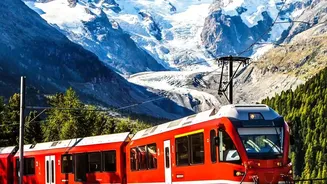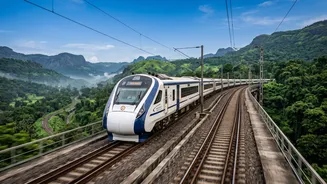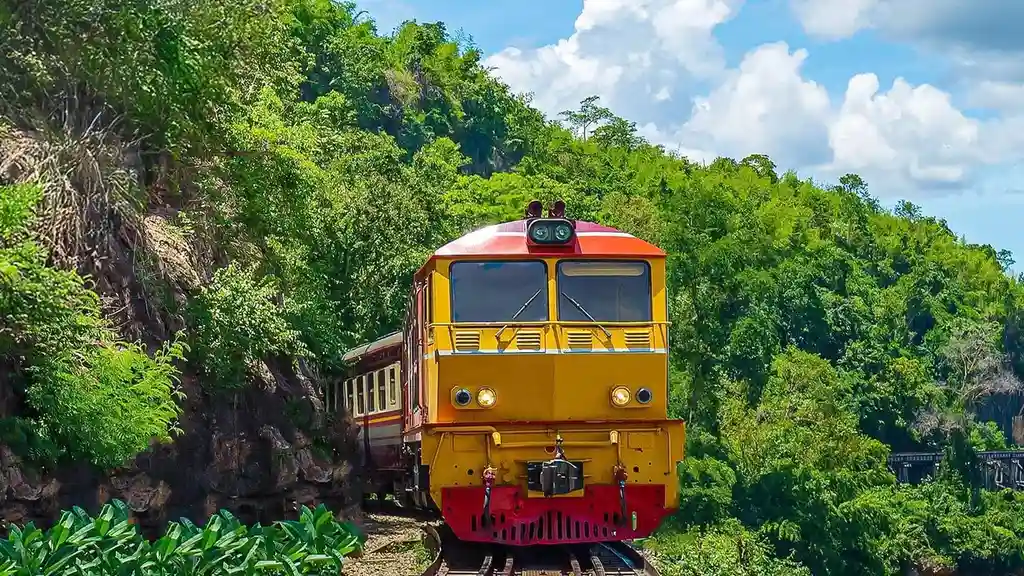


Imagine a journey where your window frames a world drenched in emerald green, with ribbons of white water cascading down mountainsides. The Konkan Railway during the monsoon months isn't just travel; it's a moving portrait of nature's grandeur.
The Magic of the Monsoon Express
There are
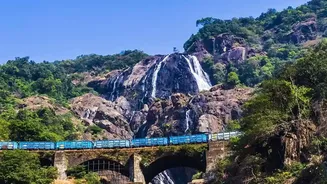
few travel experiences in India as cinematic as a train journey along the Konkan coast between June and September. As the monsoon breathes life into the Western Ghats, the entire landscape transforms. Parched earth gives way to electric green paddy fields and dense, misty forests. From the window of your coach, you witness this transformation up close. The rhythmic sound of the train on the tracks is accompanied by the steady drumming of rain, and the air smells of wet earth and fresh foliage. It's a sensory journey where every few minutes, a new seasonal waterfall appears, gushing down cliffs and sometimes appearing to flow right over the entrance of a tunnel before you plunge into darkness, only to emerge into another vibrant, rain-washed vista.
An Engineering Marvel Through Nature's Best
The Konkan Railway is celebrated as a feat of modern engineering, and the monsoon season highlights why. Spanning approximately 740 kilometres between Roha (near Mumbai) and Thokur (near Mangaluru), the line cuts through some of the country's most challenging terrain. It navigates this path with over 2,000 bridges and through 91 tunnels. During the rains, these structures become part of the spectacle. Viaducts like the Panval Nadi bridge, one of the tallest in Asia, offer jaw-dropping views of deep valleys and swollen rivers below. The journey becomes a thrilling sequence of crossing high bridges and plunging into dark tunnels, each exit revealing another breathtaking scene of the rain-soaked Konkan.
Prime Routes for Waterfall Chasing
While the entire Konkan route is scenic, the stretch from Mumbai to Goa is particularly famous for its monsoon beauty. Trains like the Mandovi Express and Jan Shatabdi Express are popular choices for this journey. The most visually stunning section is often cited as being between Ratnagiri and Madgaon (Goa). This is where the density of waterfalls is at its highest. Keep an eye out for the famous Dudhsagar Falls, one of India's tallest waterfalls, which can be spotted from the train in its full, thunderous glory during the peak monsoon months of July and August. Another notable sight is the Ranpat Waterfall near Ukshi, which becomes a powerful cascade just metres from the tracks.
Elevate Your View with a Vistadome Coach
To truly immerse yourself in the panoramic scenery, consider booking a seat in a Vistadome coach. These specially designed carriages are attached to select trains, such as the Jan Shatabdi Express on the Mumbai–Goa route. They feature large glass windows that stretch up to the roof, providing an uninterrupted, near–360–degree view of the surroundings. The seats can also rotate, allowing you to face the window directly and soak in the ever–changing landscape of cloud–kissed peaks and lush valleys. The anti–glare glass roof means you won't miss a single detail, whether it's the mist swirling around the hills or a waterfall crashing down right beside you.
Tips for Your Monsoon Rail Adventure
Planning is key to enjoying this popular seasonal journey. Book your tickets well in advance, as trains, especially Vistadome coaches, sell out quickly during monsoon weekends. The best months for the full experience are from late June to early September. When booking, try to secure a window seat. For southbound travel (Mumbai to Goa), the right side of the train often offers better views of estuaries and backwaters, while the left side faces the waterfall–strewn cliffs of the Ghats. Pack light rain gear and protect your electronics in a dry bag. While pantry cars are available, carrying some snacks and water is always a good idea. Finally, be prepared for minor delays, as trains may run slower for safety during heavy rains.