






A New Era on the Pink and Magenta Lines
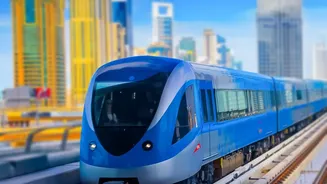
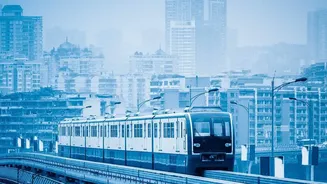
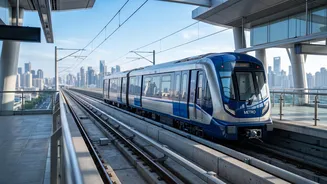
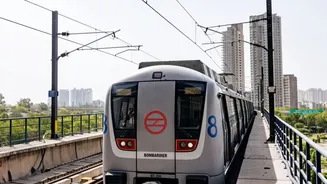
The Delhi Metro Rail Corporation (DMRC) ushered in a new chapter of urban transport by introducing driverless trains, officially known as Unattended Train Operation (UTO). This technology first rolled out on the Magenta Line on December 28, 2020, followed
by the Pink Line. Together, these two lines form a driverless network stretching over 120 kilometres, making it one of the largest automated metro networks in the world. Currently, the DMRC operates 100 UTO trains across these corridors, which account for nearly 29% of the entire network, with plans for further expansion. This automated system is designed to increase frequency, reduce human error, and improve the overall efficiency of the metro service.
What Happens to the Train Operators?
One of the most significant public concerns surrounding automation is the potential for job losses. However, the DMRC has addressed this head-on. According to officials, none of the train operators who were taken off driving duties following the switch to UTO have been laid off. Instead, these skilled employees have been retrained and redeployed into other crucial operational roles. Their new responsibilities include station management, crowd control, and other supervisory tasks where their experience and knowledge of the system remain invaluable. This strategy ensures that automation complements the human workforce rather than simply replacing it, transitioning employees to roles that still require human oversight and intervention. DMRC currently has a workforce of about 3,000 train operators.
The Technology Behind the 'Magic'
The driverless operations are powered by an advanced signalling technology called Communication-Based Train Control (CBTC). This system allows for real-time communication between the trains and a central control centre, which manages everything from speed and braking to door operations and scheduling. This high level of automation reduces the headway between trains, allowing them to run more frequently and thus increase the network's carrying capacity. The trains are also equipped with an array of safety features, including on-board cameras and obstruction detection devices that can identify and react to obstacles on the track, ensuring passenger safety without a driver in the cabin.
Setting New Ridership Records
The headline's mention of a 'ridership record' points to the remarkable performance of the driverless lines. On November 2, 2026, during the busy pre-Diwali period, the driverless trains on the Pink and Magenta lines carried a staggering 1.6 million passengers in a single day. This figure represented one in every five passengers across the entire Delhi Metro network on that day. While the overall Delhi Metro network has seen daily passenger journeys cross 8 million on certain days, this specific milestone highlights the massive scale and growing commuter reliance on the automated corridors. The DMRC's total passenger journeys for the year 2025 reached 2.35 billion, a steady increase from the previous year, underscoring the metro's role as the backbone of Delhi-NCR's public transport.
Safety, Reliability, and Public Trust
Despite initial apprehension that can accompany new technology, driverless trains are considered highly safe. The automated system eliminates the possibility of human error, a significant factor in transport incidents. Extensive self-tests are conducted automatically by the trains before they enter service each day, further enhancing reliability. In case of an emergency, passengers can use an alert device which, instead of notifying a driver, sends a live video feed of the carriage directly to the central control room for immediate action. While some experts caution against a one-size-fits-all approach and highlight high initial costs, the operational success and reliability in Delhi have built public confidence and sparked a nationwide debate on adopting this model in other Indian cities.